Latest guides

How to Wash a Down Jacket at Home
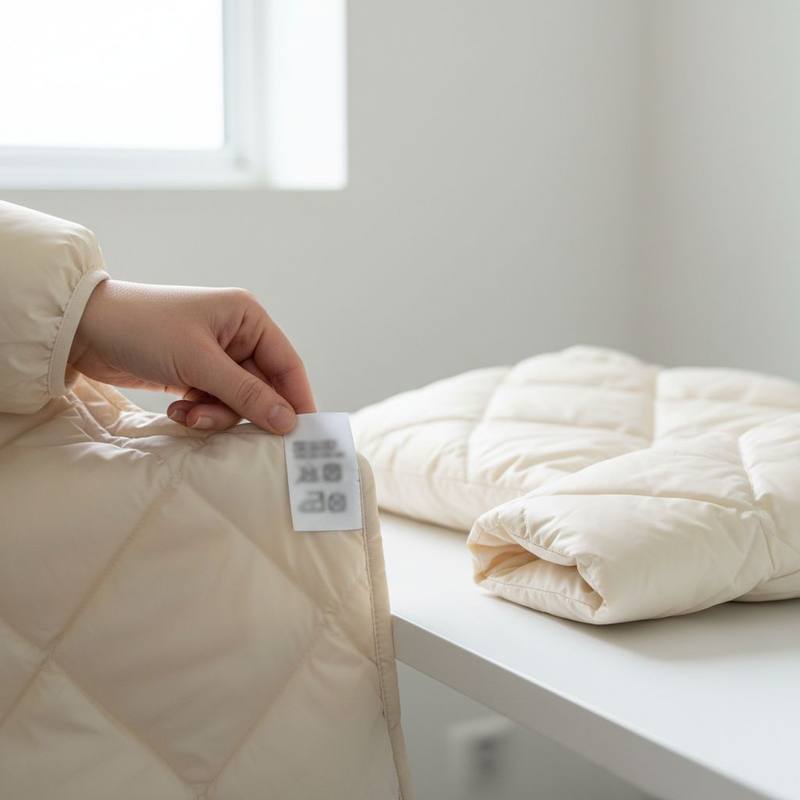
How to safely wash a down jacket: 30 to 40 degrees, gentle cycle, a 'down wash' detergent with no enzymes or softener, a 6 to 7 kg machine. Step by step.

When to Take Linen to a Laundry Service
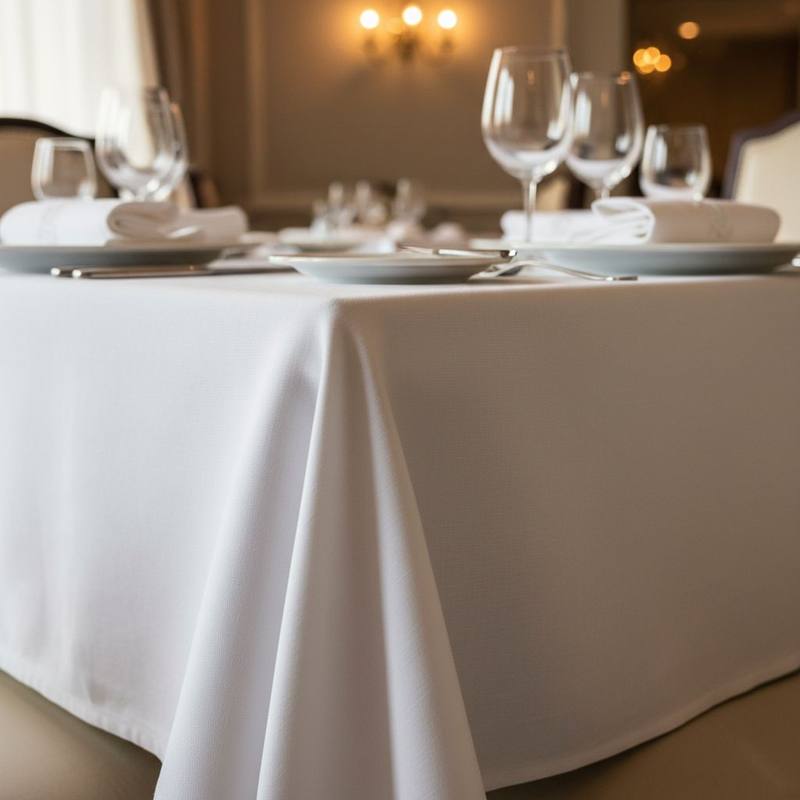
When to take a linen tablecloth or bedding to a laundry instead of home washing: large sizes, dark colors, decorations, no steam iron. Process and B2B.

How to Iron Linen: Damp and With Steam
Why linen is ironed damp and with steam at 200 to 220 degrees Celsius, and how to avoid shine and scorching. Parameters and steps.

How to Wash Wool: Temperature and Detergent
How to safely wash wool at home: max 30°C, enzyme-free detergent, 400-600 RPM spin, and the full hand or machine wash sequence, step by step.

How to Clean and Iron Tweed
Whether a tweed jacket or coat can be washed at home, how dry cleaning works step by step, and how to iron the fabric without damaging its texture.

How to Wash Lyocell and TENCEL Without Mistakes
How to wash lyocell and TENCEL: temperature, program, a mesh bag, plus the common mistakes that end in shrinkage and fibrillation. A safe washing routine.

Bamboo Fabric: Facts, Greenwashing and Care
What bamboo fabric is (usually viscose, not a natural fiber) and its properties. Ecology, the antibacterial myth and washing are covered in a series of guides.

Stains on Polyester: Grease, Sweat, Ink, Paint
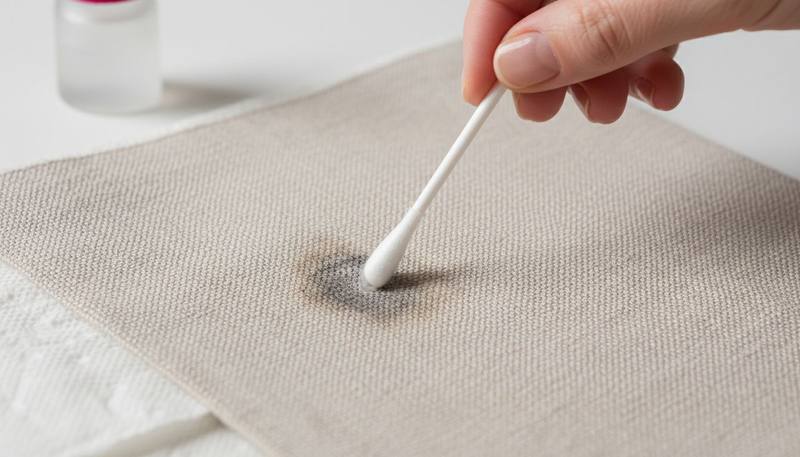
How to remove grease, sweat, ink, and paint stains from polyester and when to be careful with acetone. What to do before putting the item in the washer.

When to Take Modal to a Laundry Service
When to take modal to a laundry instead of home washing: premium and MicroModal items, old stains, large bedding, unlabeled garments.

Drying and Ironing Microfiber Without Melting It
How to safely dry and iron microfiber: air drying or up to 60 degrees, ironing max 110 degrees through a cloth. Overheating melts the fiber irreversibly.

Lyocell Stains and Rescuing Shrunk or Fibrillated Fabric
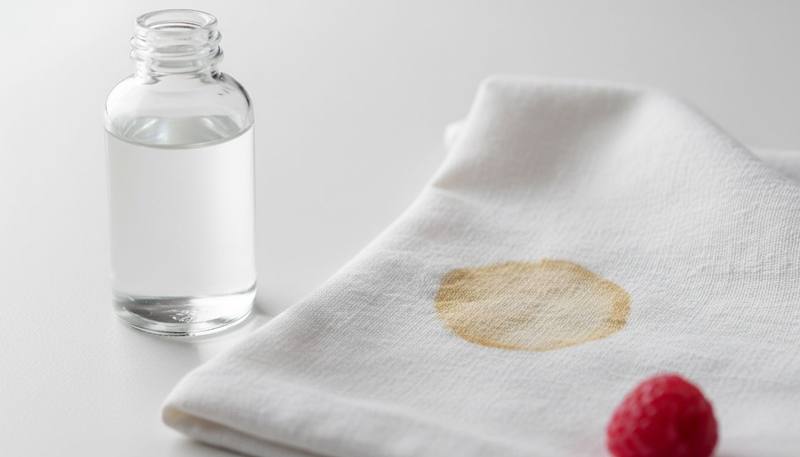
How to remove stains from lyocell (grease, wine) and what you can realistically do when it shrank or fibrillated. A seam test and the limits of home methods.

How to Wash Acetate and Cupro Linings
How to gently wash an acetate or cupro lining when the outer fabric is different, and why acetate melts at high temperatures. Cool and without wringing.

Wool vs Cashmere, Acrylic and Fleece
How wool, cashmere, acrylic and fleece differ in warmth, odor resistance and ease of care, and which to choose for what purpose.

Cotton Properties: Breathability and Absorbency
Cotton properties in numbers: breathability, moisture absorbency, durability, wrinkle resistance, pilling, and fibre biodegradability.

How to Wash Mohair by Hand Without Damage
How to wash a mohair sweater: by hand in lukewarm water, with a mild detergent, without rubbing or wringing. Even gentler than sheep's wool.

Membrane Leaking: Worn DWR or Delamination?
How to diagnose a leaking membrane jacket: worn DWR, mechanical damage or irreversible delamination, plus drying and storage rules.

Storing Linen: No Yellowing or Musty Smell
How to store linen bedding and tablecloths so they don't yellow or smell musty. Dry, ventilated, in a breathable cover, with moth protection.

Acetate and Cupro: Caring for Delicate Linings
Acetate and cupro are the most common linings: how they differ, where they come from and why acetone dissolves acetate. Washing, ironing and repair in a series.

Why Flannel Pills and How to Rescue It
Why flannel pills (nap friction, too high a temperature) and how to remove the bobbles with a fabric shaver without damage. What to do if it shrank.

Modal Shrank or Stretched: What to Do
Why modal shrinks (2 to 5 percent from too high a temperature) or stretches (wet on a hanger) and what can be saved. Stretch while wet and dry flat.

How to Wash Cashmere: By Hand and Machine
How to safely wash cashmere: water 20 to 30 degrees Celsius (cooler than for wool), enzyme-free detergent, no wringing. Step by step, by hand and machine.

Why Microfiber Smells and How to Prevent It
Why microfiber cloths and mops smell: moisture trapped in a basket or bucket, not sweat. Rinse after use and dry spread out.

Linen, Cotton or Hemp: Which to Choose
Linen, cotton, and hemp side by side: wrinkling, durability, ironing temperature, and care. When linen is worth choosing despite wrinkling.

Angora Lost Its Fluff: How to Restore It
Why an angora sweater lost its fluff and how to restore it: gentle steaming and shaking out. What to do if angora shrank and why it's so warm.

Cashmere Sweater Shrank: What Can Be Saved
How to rescue a slightly shrunk cashmere sweater: soak with conditioner, stretch while wet, dry flat. How shrinking differs from irreversible felting.

How to Wash Angora at Home Without Damage
How to wash angora most gently: airing is often enough instead of washing. By hand in lukewarm water, without rubbing or wringing. Even gentler than wool.

When to Take Lace to a Laundry and What It Costs
When lace needs a laundry: fiber composition, wedding gowns and valuable heirlooms. How synthetic lace differs from cotton and what cleaning costs.

Is Bamboo Antibacterial or Is It a Myth
Is bamboo fabric antibacterial: bamboo kun does not survive the viscose process, tests don't confirm it, and the FTC penalized such claims.

When to Take Tulle to a Laundry and How to Store It
When tulle needs a laundry: dresses with tulle layers and veils. How to store tulle so it isn't damaged, and how it differs from organza and lace.

Hemp Softens With Every Wash: How to Speed It Up
Why new hemp clothing is stiff and how to speed up its softening with every wash, without damaging the fiber. How many washes it takes.

Nylon and Polyamide: Care, Washing and Fabric Types
What nylon (polyamide) is, how PA6 and PA66 differ, plus ripstop, Cordura and Taslan. Washing, yellowing and care live in a series of short guides.

How to Restore Satin's Shine After Washing
Why satin shines and loses its luster, and how to bring it back: a vinegar rinse, ironing through a cloth on the wrong side. What to do if it yellowed.

How to Wash Tights Without Runs
How to wash tights and stockings without runs: a mesh wash bag, 30 degrees Celsius, spin up to 400 rpm or none, flat drying. Zip up other clothes first.

When to Take Nylon to a Laundry Service
When to take polyamide to a laundry instead of home washing: down jackets and sleeping bags, laminates and membranes, chlorine yellowing, expedition gear.

Corduroy Losing Ridges: How to Revive It
Why corduroy pants and jackets go shiny and lose their ridges, and how brushing and steam restore pile softness.

How to Wash Bamboo Clothing Step by Step
How to wash bamboo: 30°C, delicate program, low spin, no softener, new dark items separately. The specifics of delicate bamboo viscose, weak when wet.

Ramie Shrank or Wrinkled: What to Do
Why ramie creases and shrinks heavily, how to smooth and iron it, and how to prevent shrinkage. How ramie differs from linen and whether it is eco.

Modal Underwear and Pajamas: Sweat, Odor, Care
How to care for modal underwear and pajamas: removing sweat and yellow stains, frequent low-temperature washing, pilling and static. Modal for sensitive skin.

Velvet for Weddings and Holidays, and Storage
How to prepare a velvet dress for a wedding or New Year's Eve and how to store velvet between seasons so it doesn't crush or pill.

Faux Leather: Care and Cleaning Guide
What faux leather is (PU, PVC, microfiber, bio), its types and chemical safety. Washing, cracking, stains and care are covered in a series of guides.

When to Take Velvet to a Laundry Instead of DIY
When velvet needs a laundry: viscose and silk bases almost always mean dry cleaning. How to tell real velvet from synthetic.

How Cotton Is Made: From Field to Fabric
How cotton is made step by step: growing, harvest, ginning, carding, spinning, weaving, and finishing of cotton fabric.

How to Dry and Iron Nylon Without Melting It
The safe iron temperature for nylon is 110 degrees Celsius, a dryer up to 60. Polyamide is thermoplastic: it doesn't scorch, it melts. Iron through a cloth.

Why Polyester Builds Static and How to Fix It
Why polyester builds up static, especially in winter, and how to reduce it: a humidifier above 45 to 50 percent, anti-static dryer sheets, a vinegar spray.

Jeans Shrank or Stretched: What to Do
How to rescue shrunk or stretched jeans: check for sanforization, dampen and stretch along the seams, dry flat. And what simply cannot be reversed.

How to Iron Wool: Steam, Cloth and 110°C
How to iron wool safely: max 110°C, always through a damp pressing cloth, pressing rather than sliding the iron. A step-by-step guide.

Stains on Fleece: Grease, Mud, Blood
How to remove grease, cosmetics, mud, blood, and set-in smoke odor from fleece. Cold water for blood, dish soap for grease, patience for mud.

Does Hemp Shrink in the Wash
Whether hemp fabrics shrink in the wash like linen, how 100% hemp shrinkage differs from a blend, and how to prevent it. UV and bacteria resistance.

Linen Shrinkage: Why It Happens and Prevention
Why linen shrinks 4 to 10 percent and how to prevent it: washing at 30 degrees Celsius, air drying, rotating temperatures. How much is reversible.

Fleece Pilling and Static
Why knit fleece pills faster than smooth polyester and how to reduce pilling and static: a fabric shaver, anti-pill, low spin, vinegar, and a humidifier.

When to Dry-Clean an Angora Sweater
When an angora sweater is better sent to a laundry than washed at home. How angora differs from mohair, whether it's ethical and what OEKO-TEX means.

Lining Stains: When to Use a Laundry
How to remove stains and marks from a lining and why it yellows under the arms. When a suit or coat with a delicate lining is better sent to a laundry.

How to Spot Real Alpaca
How to spot real alpaca by the label and feel, how it differs from sheep's wool, whether it itches and whether it's hypoallergenic. What to watch when buying.

Why Fabric Softener Ruins Fleece
Why fabric softener permanently robs fleece of warmth: a cationic layer clogs the pile's channels. What to use instead and whether it can be reversed.

How to Wash Viscose: Temperature and Cycle
How to safely wash viscose: 20 to 30 degrees, gentle cycle, spin 400 to 600 rpm. Wet viscose loses up to 50 to 70 percent of its strength, never wring it.

Lyocell for Skin and Bedding: Comfort and Price
Why lyocell works well on sensitive skin and in bedding: thermoregulation, absorbency, smoothness. Whether it is eco and whether TENCEL is worth the extra cost.

Microfiber: washing, care and fabric properties
What microfiber is, how to wash cleaning cloths, mops, bedding and sportswear without softener, how to restore absorbency and prevent odor. Complete guide.

Mohair Sheds Fibers: Is It Normal
Why a new mohair sweater sheds fibers and whether that's normal, plus how to reduce it: less friction, freezing, patience. It fades over time.

Drying, Ironing and Storing Lyocell
How to dry, iron and store lyocell: dry flat, don't wring by twisting, iron at a moderate temperature. Fold knits, hang shirts on a hanger.

Bamboo in Products: Bedding, Towels, Socks
Bamboo product by product: bedding, towels, socks and kids' clothes, how to care for them and when to take an item to a professional laundry.

Lace: Complete Guide to Washing and Care
What lace is, its types and why it is so fragile. The fiber composition decides how to wash it. Washing, stains and vintage care are in a series of guides.

Satin: what it is, types, washing and care
Satin is a weave, not a fiber: its types (silk, polyester, cotton) and why it differs from sateen. Washing, ironing and stains are in the series.

Is Bamboo Eco-Friendly or Just Greenwashing
Is bamboo fabric eco-friendly: greenwashing, FTC penalties, the chemical viscose process and closed-loop solvent. When bamboo is genuinely eco.

Microfiber Stopped Absorbing: How to Restore It
Why a microfiber cloth stops absorbing (softener clogs the fiber wedges) and how to reverse it: hot water, vinegar or baking soda, no softener.

Tweed: Felting and Moths
Why tweed felts faster than other wool, and how to safely store a jacket or coat seasonally so moths do not damage it.

Tulle: Types, Washing, and Care Guide
What tulle is (bobbinet netting) and its types: soft, stiff tutu, illusion, curtain, silk. Washing and care are covered in a series of guides.

How to Wash Fleece Without Losing Loft
How to wash fleece so the pile stays fluffy: 30 degrees Celsius (max 40), gentle cycle, 600 to 800 rpm spin, liquid detergent, and no softener.

Drying and Ironing Tulle Without Scorching
How to dry tulle without losing its shape and iron it through a cloth, because it melts in a second under the iron plate. Temperature depends on the fiber.

Modal Fabric: Beechwood Cellulose Guide, Care and Washing
What modal (beech-wood fiber, HWM category) is, its types (MicroModal, Lenzing), and how it differs from viscose. Care is covered in a series of guides.

Modal Bedding: Modal, Cotton or Viscose
What to choose for bedding: modal, cotton, or viscose. Modal wins on softness and absorption, cotton on wet strength. And whether it's eco-friendly.

Neoprene Smell and Stains: How to Remove Them
Why odor returns despite washing, how to remove it for good, and how to clean salt, chlorine and sunscreen stains from neoprene.

Felted, Shrunken Wool: What You Can Do
Why a wool sweater felts and shrinks in the wash, whether it can be reversed, and what's actually worth trying versus what you should never do.

How to Wash Tulle: Machine or Hand, No Spin
How to wash tulle: in a machine in a bag on delicate or by hand step by step, always without spinning, which tears and deforms the mesh.