How to wash lyocell and TENCEL
temperature, program, spin and detergent step by step, to avoid shrinkage and fibrillation

The parameters of home washing of fabrics are verified in the laboratory according to the ISO 6330 standard. The standard defines test programs marked by a combination of temperature and mechanical action type: N (normal), M (mild), and G (very mild). For lyocell, a 30 degrees Celsius/G or 40 degrees Celsius/M program is recommended, i.e., low temperature combined with minimal mechanical action. The symbols on garment labels, meanwhile, are based on the ISO 3758 standard.
Below you'll find a complete set of washing parameters in one place, each with a brief technical explanation. Further on we explain why lyocell responds to washing differently than cotton, walk through the full step by step procedure, and list the mistakes that in practice most often end in a complaint.
Lyocell washing parameters
Temperature
30 degrees Celsius, maximum 40 degrees Celsius for reinforced fabrics, for example bedding. Above 40 degrees Celsius, fiber swelling increases, and with it the risk of fibrillation and shrinkage.
Program
Gentle, wool, or silk. These are programs that limit mechanical drum action in accordance with ISO 6330 G/M classification, key to reducing fibrillation.
Spin
Maximum 600-800 rpm, preferably 400. High spin speeds on wet, swollen fiber is mechanical fiber separation, the same mechanism responsible for the fibrillation described in the article.
Detergent
Liquid, pH 6-8, without optical brighteners. Proteolytic enzymes present in some powders can accelerate surface fiber degradation.
Chlorine bleach
Prohibited without exception. It oxidizes cellulose, causing yellowing and permanent structural weakening of the fabric.
Why lyocell responds differently than cotton
fiber swelling, fibrillation, and hydrogen bonds in short
Lyocell is a regenerated cellulose fiber, which means that despite a similar raw material, its surface behaves differently than cotton's. In contact with water, the fiber swells, meaning it increases in volume, and at the same time softens and loses part of its tensile strength. The higher the temperature and the longer the contact with water, the stronger the swelling.
On swollen, wet fiber, every bit of friction pulls tiny microfibrils away from the surface. That friction can come from other garments in the drum, from the drum itself during spinning, or even from the fabric's own folds. The phenomenon is called fibrillation and shows up as a characteristic fuzz and dulling of the surface. Once started, fibrillation intensifies with every following wash under the wrong conditions, which is why choosing the right temperature and program matters more here than with cotton.
What happens to the fiber during washing
Cellulose absorbs water and increases in volume, which makes wet fabric noticeably weaker than dry fabric
Friction against wet, swollen fiber pulls microfibrils from the surface, creating fuzz and a dulling effect
High temperature and long soaking weaken the bonds between cellulose chains, lowering fabric durability
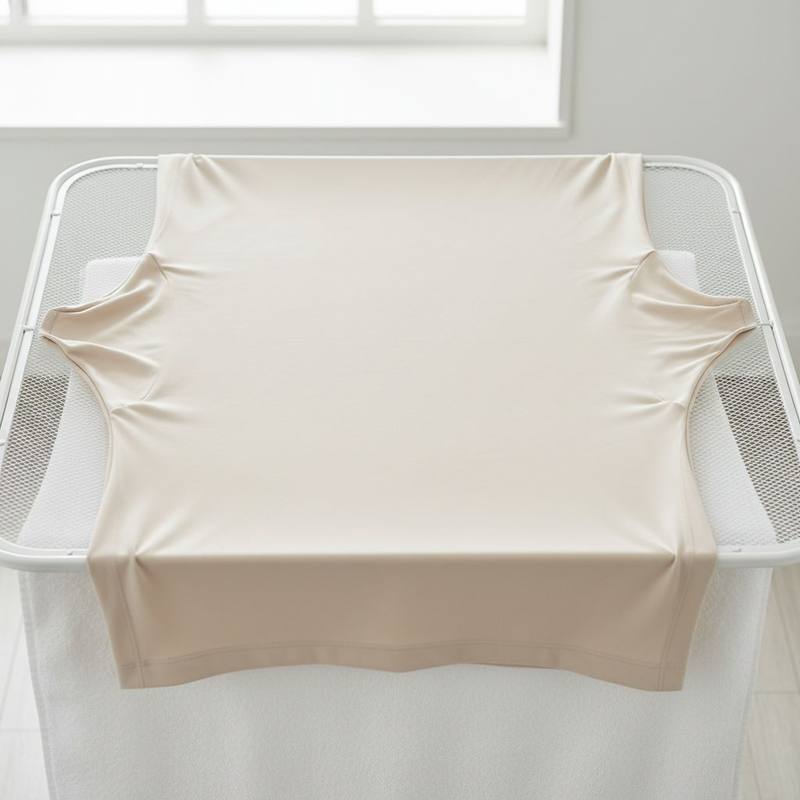
Intense spinning and high temperature drying lead to uneven shrinkage of the fabric
Washing procedure step by step
from sorting the load to the first minutes after the machine stops
- 1
Check the label and sort the load
Wash lyocell separately or with fabrics of similar texture. Velcro, zippers, and denim in the same load are a common cause of mechanical abrasion and localized fibrillation.
- 2
Fasten zippers and use a mesh bag
A mesh bag limits friction against the drum and against other garments, which directly reduces the fibrillation risk described above.
- 3
Measure out a liquid detergent
A liquid detergent with pH 6-8, free of optical brighteners and proteolytic enzymes, dosed exactly according to the manufacturer's instructions.
- 4
Choose a 30 degrees Celsius program and low spin
A gentle program or one for wool or silk, temperature 30 degrees Celsius, maximum 40 degrees Celsius for reinforced fabrics. Spin at a maximum of 600-800 rpm, preferably 400.
- 5
Unfold the fabric right after the cycle ends
Wet fabric left crumpled in the drum for more than a few minutes creases more easily and dries more slowly, which encourages an unpleasant smell.
Most common washing mistakes
7 errors that destroy fabric and how to avoid them
The list below is not theory from a textbook, but patterns of errors regularly seen in laundry practice. Each one has a specific, predictable technical consequence.
Customer mistakes versus correct approach
Do
- Stick to a maximum of 30-40 degrees Celsius as indicated on the label, regardless of how much the fabric “looks like cotton”
- Dry at low temperature or naturally, instead of full dryer power
- Remove stains upfront in cold or warm water, never in hot
- Sort the load by fabric texture, not just color
Don't
- Don't wash at 60 degrees Celsius “because that's what you always do”: this results in 3-8% shrinkage, stiffness, and increased fibrillation
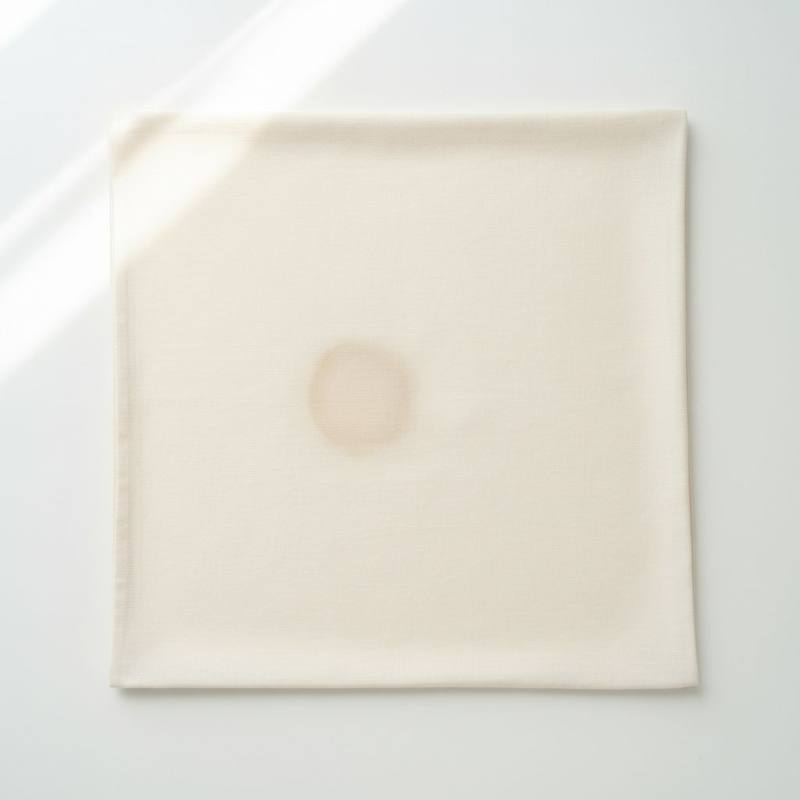
- Don't use chlorine bleach on a stain: it causes yellowing and holes within a few washes
- Don't dry on full dryer power: the result is heavy shrinkage, stiffness, and loss of sheen
- Don't iron at the highest temperature “because it looks like cotton”: you risk scorching the fabric
- Don't use hot water on a grease stain: it sets the stain instead of removing it
- Don't wash together with velcro, zippers, and denim in one load: this leads to mechanical abrasion and localized fibrillation
- Don't soak too long in water with detergent: this weakens hydrogen bonds in cellulose and leads to fabric dulling
When to hand lyocell to a laundry
signals that home washing is no longer enough
Signals worth catching early
If you already see fuzz on the fabric, a noticeable stiffness after home washing, or a stain you'd rather not experiment with, hand the item to a professional laundry instead of risking another wash on already weakened fiber. Washing a lyocell shirt at a laundry costs from 26 PLN, and a dress from 50 PLN. A professional choice of temperature and detergent matched to the fabric's current condition limits the risk of permanent damage better than another home attempt.

Now you know the theory. Practice can be less forgiving.
If you would rather not risk your favourite piece, leave it to the specialists at Gorące Żelazko laundry in Lublin.


Frequently asked questions
It's the generic name for regenerated cellulose fiber produced by the solvent spinning method using NMMO. The raw material is wood cellulose from certified plantations.
Both trees are used, along with spruce, depending on the supplier. The common factor is certified cellulose sourcing from FSC or PEFC plantations.
30 degrees Celsius is recommended, maximum 40 degrees Celsius for reinforced fabrics. Above this threshold, fibrillation and shrinkage risk increases.
A regular washing machine is fine, provided you set a gentle program or one for wool or silk and a temperature of at most 40 degrees Celsius. Hand washing isn't necessary as long as you respect low spin and a mild detergent.
Washing itself has no strict limit on the number of cycles. Durability depends on following the parameters: low temperature, gentle program, and low spin. Repeated washing at too high a temperature damages the fiber far faster than the washing frequency itself.
About the author
Małgorzata Małecka
Owner of the Gorące Żelazko laundry
Małgorzata Małecka runs the Gorące Żelazko laundry in Lublin. Together with her team, she makes sure customers' clothes, shoes and fabrics come back clean and in the best possible condition.