Is bamboo antibacterial?
the “bamboo kun” myth versus the reality of finished bamboo viscose after chemical processing

Ads for bamboo socks, bedding, and baby clothes love repeating one line: the fiber is supposedly antibacterial by nature, so the fabric stays fresher longer and protects skin from microbes. This myth has a grain of truth to it, which makes it harder to debunk than an outright marketing lie.
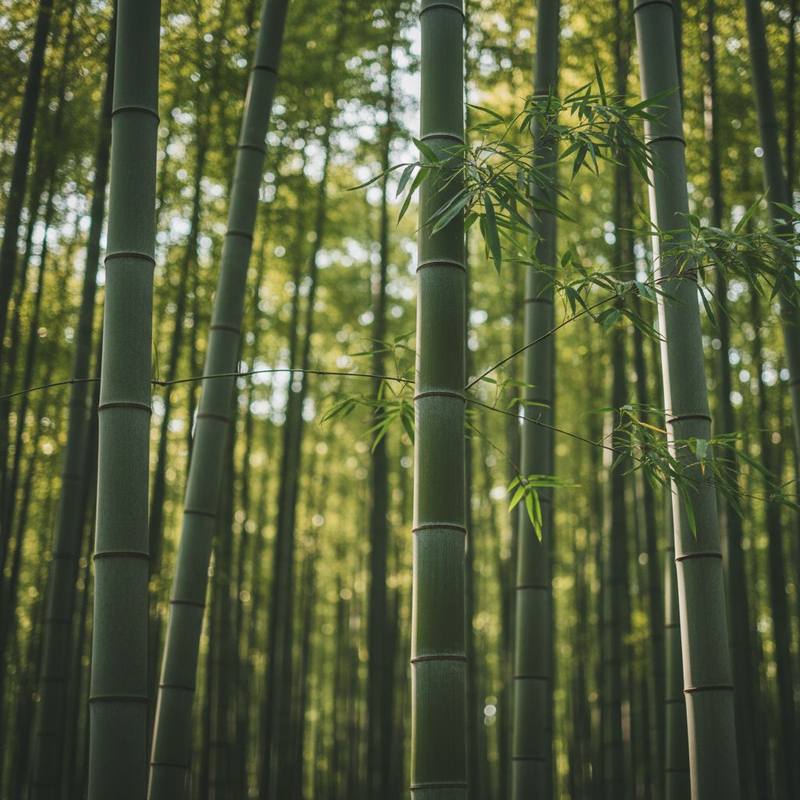
Living bamboo plants really do contain a natural substance called “bamboo kun”, a group of phenolic and quinone compounds. This is what gives the plant part of its natural resistance to pests and microorganisms under natural conditions, without any pesticides involved.
This is a real property of the plant itself, well documented in botany. The problem begins only once the stalks are processed into textile fiber, and that is a completely different process from harvesting the plant.
Bamboo kun: a real property of the living plant
why the myth exists at all, and what raw bamboo wood can actually do
Phenols and quinones are compounds plants produce as a natural defense against fungi, insects, and soil bacteria. They are not unique to bamboo. Similar defense mechanisms exist in, for example, conifer trees or certain herbs, though in different concentrations and compositions.
In the living stalk, these compounds are locked inside the plant's cellular structure. As long as bamboo stays a raw, minimally processed material, such as a cutting board or flooring, some of that resistance can genuinely be retained. That is a completely different situation from textile fiber, which goes through a multi-stage chemical process before it ever reaches a loom.
What the viscose process does to the fiber
the chemistry that turns a stalk into soft yarn destroys the natural compounds along the way
Why “antibacterial bamboo” is marketing, not fact
The highly alkaline environment of the viscose process, meaning the action of sodium hydroxide, combined with repeated rinsing and bleaching, destroys bamboo kun compounds before the finished fabric is even made. Independent laboratory tests published in textile journals have repeatedly failed to confirm above-average antibacterial activity of finished bamboo viscose compared to regular cotton or wood viscose. This process is largely identical no matter which plant the cellulose comes from. Viscose from bamboo, from eucalyptus, or from pine wood goes through the same chemical baths, so the finished fibers end up nearly identical in structure and properties.
Two production methods: viscose versus lyocell from bamboo
Bamboo viscose (open-loop process)
the most common method on the market
A cheaper, widespread technology, but the most chemically invasive to the original fiber.
This is the method behind most labels marked bamboo. The stalks are chemically dissolved into a cellulose pulp, then respun into thin fibers, much like with regular wood viscose.
Bamboo lyocell (closed-loop process)
a rarer, more expensive method
A more environmentally friendly technology, but it is not the one behind most products marketed as antibacterial.
A process similar to producing lyocell from eucalyptus wood. The solvent circulates in a closed loop and is recovered, so chemical use and wastewater are lower than with classic viscose.
How to check a bamboo fabric label
four things worth checking before you believe the antibacterial promise
Verification before you buy
- 1
Check the fiber name on the label
Look for the words “bamboo viscose” or “bamboo rayon”. This signals the product went through the chemical viscose process, not that it kept the raw plant's properties.
- 2
Look for an independent certification
A certification such as OEKO-TEX Standard 100 confirms the absence of harmful chemical residues in the fabric, but on its own it confirms no antibacterial activity at all.
- 3
Ignore slogans without a testing method behind them
If a product description promises antibacterial properties without pointing to a specific, independent test method, treat it as a marketing slogan, not a fact.
- 4
Appreciate the fabric for its real advantages
Bamboo viscose tends to feel pleasantly soft and wicks moisture well, just like other viscoses. That is reason enough to buy it, regardless of the antibacterial myth.
Where the penalties for such claims come from
why regulators take the “antibacterial bamboo” claim seriously
This is not just the opinion of skeptics. Textile market regulators in many countries have questioned exactly these claims for years, not only general statements about the fiber's naturalness. Claims about the antibacterial properties of finished bamboo fabric have repeatedly been found misleading enough to result in orders to correct advertising and financial penalties against the manufacturers who repeated them.
The practical advice is simple: don't pay a premium just for the promise of bamboo's antibacterial properties. If you like the fabric for other reasons, buy it for those. Don't buy it for a property that probably doesn't exist in the finished product.
Buying bamboo fabrics in a nutshell
Do
- Check the label for whether it is bamboo viscose, rayon, or lyocell
- Look for OEKO-TEX Standard 100 certification for children's and baby clothes
- Buy bamboo for softness and good moisture wicking, if those properties suit you
Don't
- Don't pay a premium just for the word “antibacterial” with no testing method cited
- Don't assume bamboo viscose differs chemically from other viscoses
- Don't trust advertising slogans more than the fiber content on the label
Bamboo viscose, like other viscoses, loses some of its strength when wet. Wash it gently, at a low temperature and without aggressive wringing, and for pricier or delicate pieces consider handing them to a professional laundry instead of washing at home.

Now you know the theory. Practice can be less forgiving.
If you would rather not risk your favourite piece, leave it to the specialists at Gorące Żelazko laundry in Lublin.


Frequently asked questions
Mostly marketing. Living bamboo plants contain a substance called “bamboo kun” with antibacterial properties, but the strongly alkaline viscose process and repeated rinsing and bleaching destroy these compounds. Independent laboratory tests do not confirm above-average antibacterial activity of finished bamboo viscose compared to regular cotton.
Regenerated cellulose itself has low allergenic potential because it contains no plant or animal proteins. The real risk relates to chemical residues from incomplete rinsing in processing, dyes, and “no-iron” formaldehyde finishes. For babies and sensitive skin, look for products with OEKO-TEX Standard 100 certification.
No. The strongly alkaline viscose process with sodium hydroxide, repeated rinsing, and bleaching destroys the bamboo kun compounds before the finished fabric exists. It's a real property of the living plant, but it doesn't carry over to the bamboo viscose on your shelf. So it isn't worth paying a premium for the antibacterial promise alone.
Viscose is made through an open-loop process using sodium hydroxide and carbon disulfide, and it is the one behind the vast majority of labels marked bamboo. Bamboo lyocell is produced in a closed loop, where the solvent is recovered, reducing chemical use. Neither method gives the finished fabric confirmed antibacterial activity.
Read the fiber content on the label and check whether it says bamboo viscose, rayon, or lyocell. Look for an independent certification, such as OEKO-TEX Standard 100. If the product description promises antibacterial properties without citing a testing method, treat it as a slogan, and base your purchase decision on the fabric's real advantages, such as softness and absorbency.
About the author
Małgorzata Małecka
Owner of the Gorące Żelazko laundry
Małgorzata Małecka runs the Gorące Żelazko laundry in Lublin. Together with her team, she makes sure customers' clothes, shoes and fabrics come back clean and in the best possible condition.