How to wash acetate or cupro lining
When the outer fabric and lining have two different care requirements

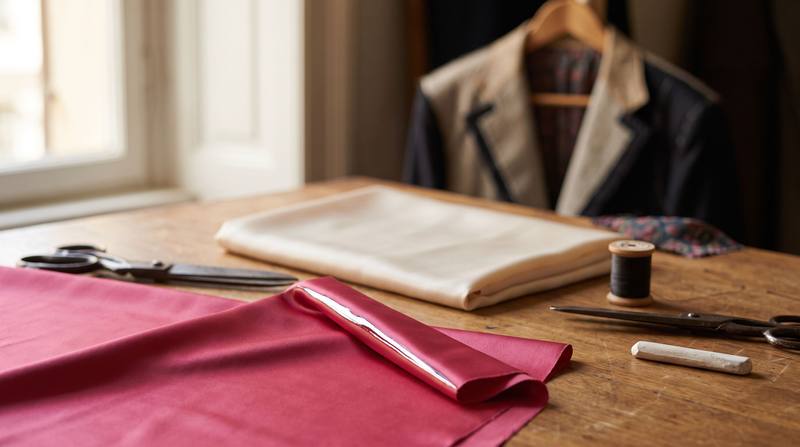
In many garments the outer material (for example wool or polyester) and lining made from acetate or cupro have completely different care requirements. In such a situation one simple rule applies: use the lowest common temperature and the most cautious method from both materials.
When neither label shows a clear symbol allowing water washing, be cautious. Treat the garment as intended only for dry cleaning.
Before you put a garment with acetate or cupro lining in the wash, check both labels, outer and lining, and choose the more restrictive option.
- 1
Check symbols on both labels
Compare the markings on the outer fabric label and the lining label. For further steps, always choose the more cautious option, even if the other material allows more.
- 2
No water symbol means dry cleaning
If either label shows a crossed-out water bowl or no water symbol at all, the garment is only for dry cleaning, not home washing.
- 3
Hand or gentle wash, if the symbol allows
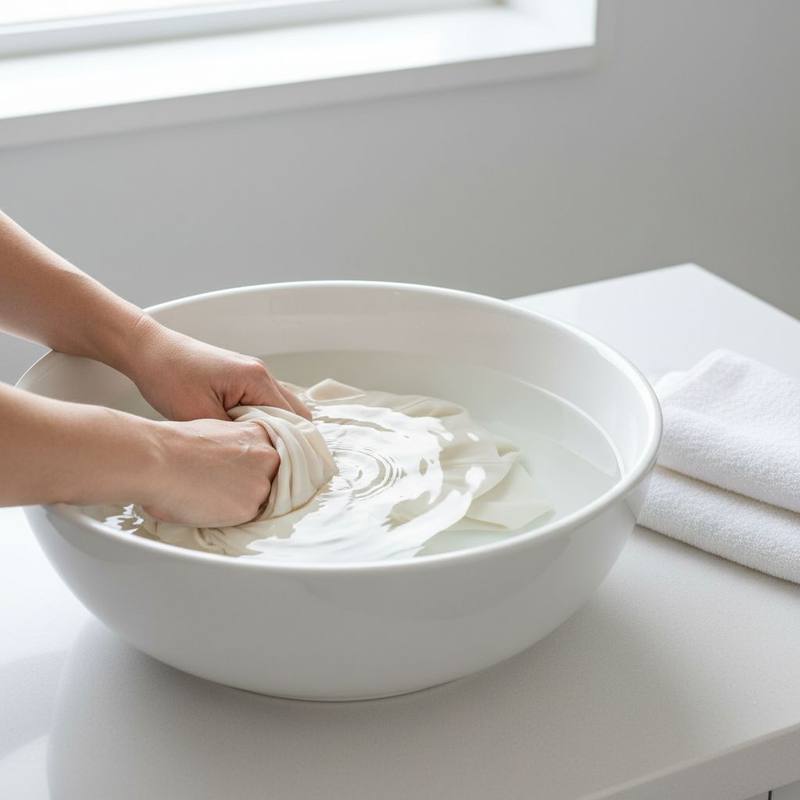
When the symbol permits washing, use cold water up to 30°C and neutral shampoo or liquid with pH 5.5 to 7. Do not hold the material under running water and do not rub the surface.
- 4
Never wring or spin aggressively
Acetate loses approximately 30 to 45% of its strength when wet; cupro can lose 30 to 50%. Wet fiber in this condition tears easily at seams if subjected to hard wringing or high spin speeds.
- 5
Dry flat, in shade, away from heat
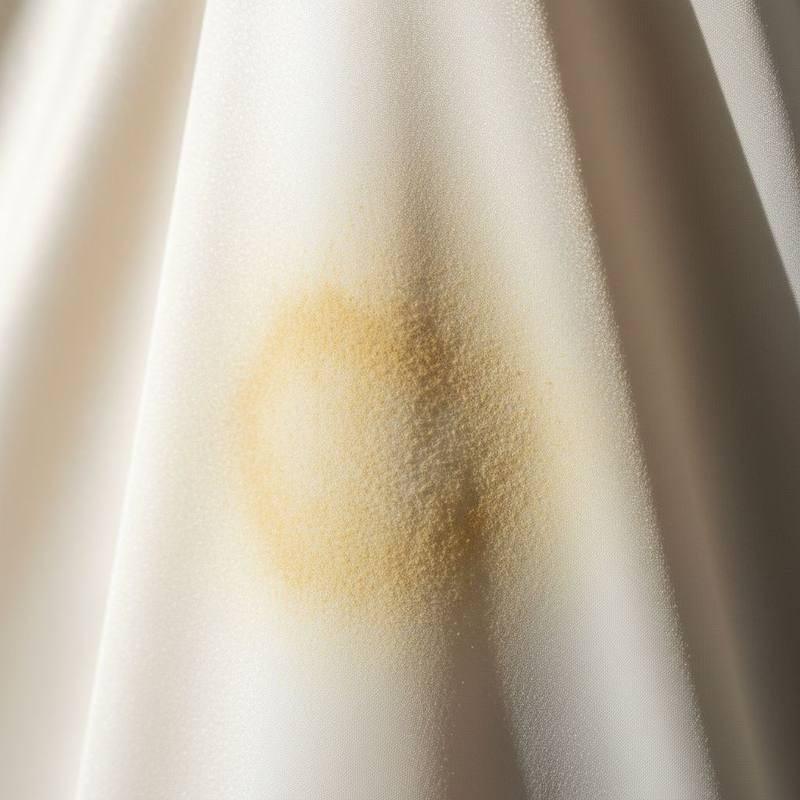
Dry the lining flat, away from direct sun and heat sources. This reduces the risk of water stains and uneven shrinkage that looks like fabric rippling.
Below you'll find the same guidelines in short form, separately for acetate and separately for cupro, to make them easier to remember for the future.
Three rules for washing cellulose lining
Acetate, by default dry cleaning
No water symbol on the label means dry cleaning in PERC or hydrocarbons. The risk of loss of strength when wet reaches 30 to 45%, so home washing without clear permission on the label is too risky.
Cupro, gentle hand washing
Cold water up to 30°C, neutral detergent, no wringing. Watch for the risk of uneven shrinkage, different in warp and weft, which shows as fabric rippling after drying.
Mixed garment, the lowest common denominator rule
When outer fabric and lining differ in care requirements, always choose the more cautious method from the two, even if one material would allow more.
Dark linings, for example burgundy or navy, worn or washed with light outer fabrics risk color migration, called bleeding. When in doubt, wash them separately or take the entire garment to dry cleaning, where the risk of discoloration is much lower.
Why acetate melts under an iron
The safety threshold starts at around 110 degrees
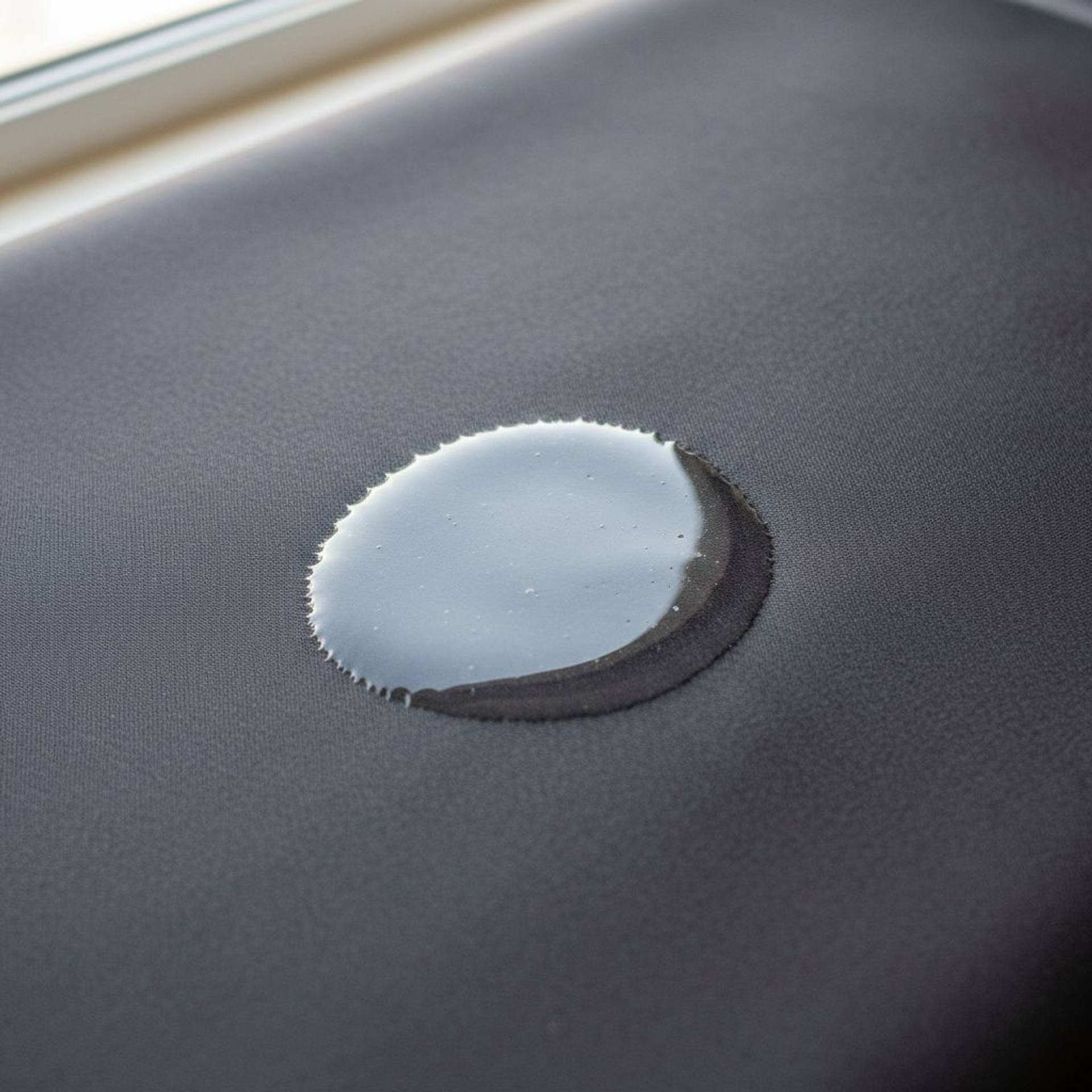
Acetate is a cellulose thermoplastic. At elevated temperature it first softens before it melts. The surface begins to "glaze," a phenomenon called glazing: a shiny, rigid mark appears that is permanent and does not disappear after washing.
Cupro, as pure cellulose, behaves differently. It does not melt, only degrades and yellows with prolonged contact with high heat, exactly like cotton. This is precisely why cupro tolerates higher ironing temperatures than acetate.
Acetate begins to soften around 200°C, but the safe ironing threshold is much lower: one dot on the care label (ISO 3758/GINETEX) means a maximum of 110°C. Always iron through a damp cotton cloth, never with direct contact of the iron sole to the fiber.

Now you know the theory. Practice can be less forgiving.
If you would rather not risk your favourite piece, leave it to the specialists at Gorące Żelazko laundry in Lublin.


Frequently asked questions
Follow the rule of the lowest common denominator: choose the more cautious method and lower temperature from the two requirements. If either label has no clear water symbol allowing water washing, treat the garment as intended only for dry cleaning.
Only if the label clearly permits it, and then in a gentle cycle. Safer is cold water up to 30°C, neutral detergent, and hand washing without wringing, because cupro loses up to 30 to 50% of its strength when wet.
This is glazing: acetate is a cellulose thermoplastic, which when exceeding safe temperature first softens, and its surface becomes shiny and stiff. This mark is permanent and does not disappear after washing.
About the author
Małgorzata Małecka
Owner of the Gorące Żelazko laundry
Małgorzata Małecka runs the Gorące Żelazko laundry in Lublin. Together with her team, she makes sure customers' clothes, shoes and fabrics come back clean and in the best possible condition.