Microfiber
Complete knowledge compendium about microfiber fabrics

What is microfiber
fiber wedges, 1 dtex and the jargon from labels explained simply
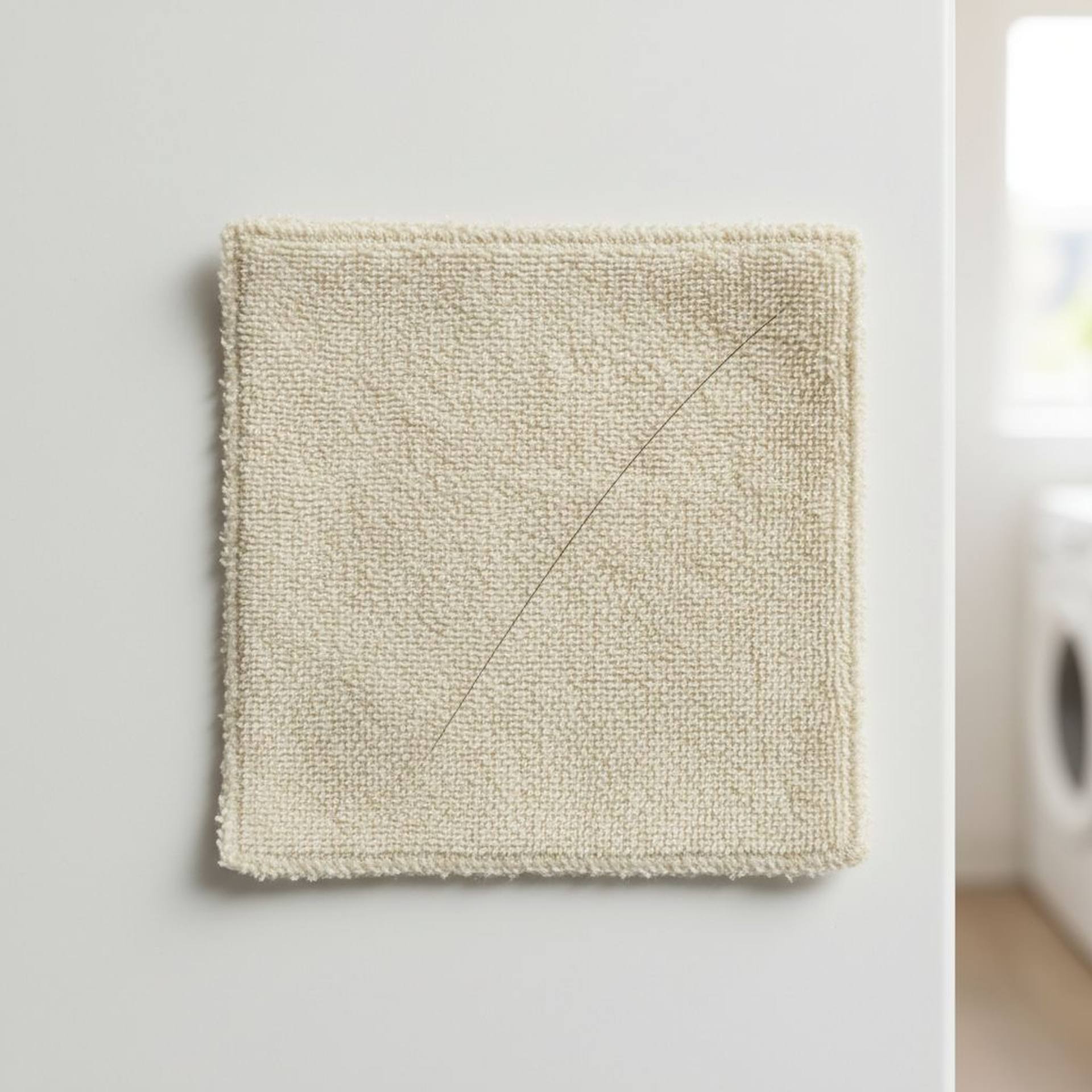
The name "microfiber" does not refer to a single chemical raw material, only a technical category defined by the thickness of an individual fiber. According to the textile industry definition, microfiber is a filament with a linear mass below 1.0 dtex (denier). That's less than one gram per ten thousand meters of yarn. Fibers thinner than 0.3 denier are called ultra-microfibers, and in premium segments you'll find values around 0.1 to 0.13 dtex. The popular comparison "one hundred times thinner than a human hair" applies only to the finest ultra-microfibers obtained in the most advanced splitting processes. For typical general-purpose microfiber, the ratio is much more modest, on the order of ten to thirty times, not one hundred.
The chemical composition is most often a mixture of approximately 80% polyester (PET) and 20% polyamide (PA). Polyester provides the structure and strength of the fabric, polyamide adds absorbency and softness to the touch. It is this combination of two different polymers in one fiber, not just the fact of being "thin," that distinguishes true cleaning microfiber from ordinary thin synthetic knit.
The essence of the technology lies in the spinning method. A thick bicomponent filament (conjugate fiber) consists of alternating wedges of polyester and polyamide. It is extruded through a die with a cross-section resembling an orange segment, with 8, 16 or 32 segments. Only in the next stage of production are these wedges split, mechanically, chemically or thermally, into separate microfibers. From one thick filament comes 16 to 32 independent microfibers in this way. Japanese conglomerate Toray commercialized the fiber-splitting technology, introducing the fabric Ultrasuede in 1970, an imitation suede based precisely on microfibers. Since then, the technology has found its way into dozens of completely different products, from cleaning cloths to sportswear.
The effect of this treatment is the physical basis for everything you'll read further in this article: a multiple-fold larger active surface area of the fabric for the same amount of raw material. This is what accounts for the ability to capture dust, grease and fine dirt both mechanically and electrostatically, much more effectively than ordinary fiber of the same thickness.
Physical parameters of microfiber
approx. 255-260°C
approx. 215-220°C, weaker thermal link in the mixture
approx. 70-80°C
polyester 0.4-0.8%, polyamide 3.5-4.5% (by comparison cotton 7-8.5%)
up to approx. 7 times the dry mass (manufacturer's value, depends on grammage)
10¹³-10¹⁶ Ω, static electricity increases when humidity is below approx. 40%
The same split-fiber technology goes into many different everyday objects. What distinguishes them is mainly the grammage of the fabric and how it is finished.
Types of microfiber
cleaning cloths, towels, bedding, sportswear and mops in one overview
The base is always the same: split polyester-polyamide fiber. Grammage and weave, however, determine both the application and how carefully you must wash a given product.
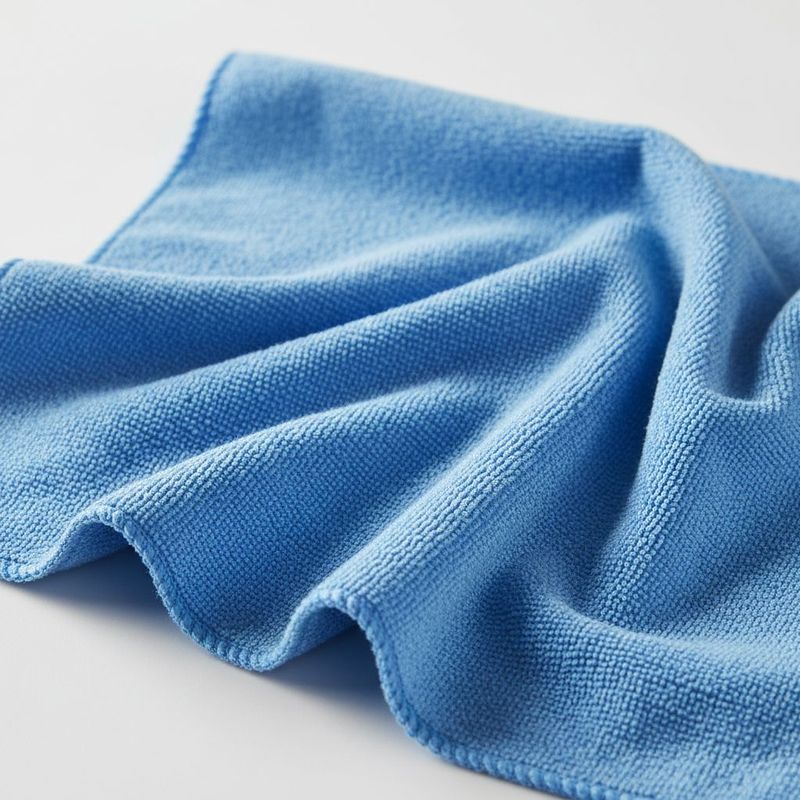
Standard cleaning cloths
Home, universal
The most common choice for dust, windows and everyday cleaning.
The basic, cheapest variant of cleaning microfiber. Short nap and moderate weave density are sufficient for dust, glass and most household surfaces, but with heavy grease stains, they give way to professional variants.
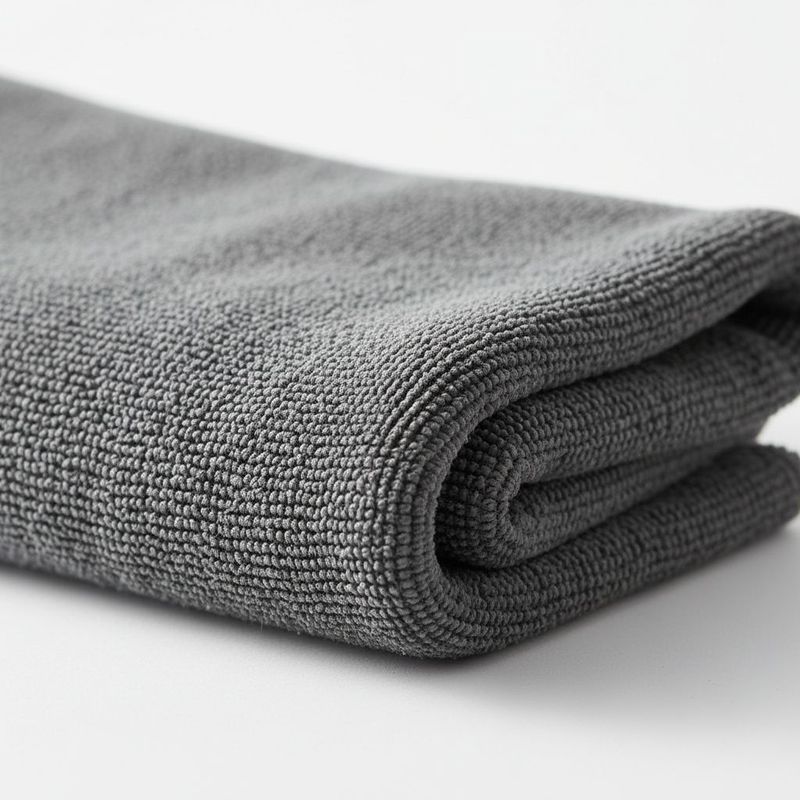
Professional cloths and mops
Detailing, gastronomy, hospitality
Designed for intensive, daily operation and frequent disinfection.
Denser weave and higher grammage translate to manufacturer-claimed durability of 300 to 500 industrial washing cycles. This is the variant for cleaning companies, restaurants and detailing workshops, where a cloth works daily, not once a week.
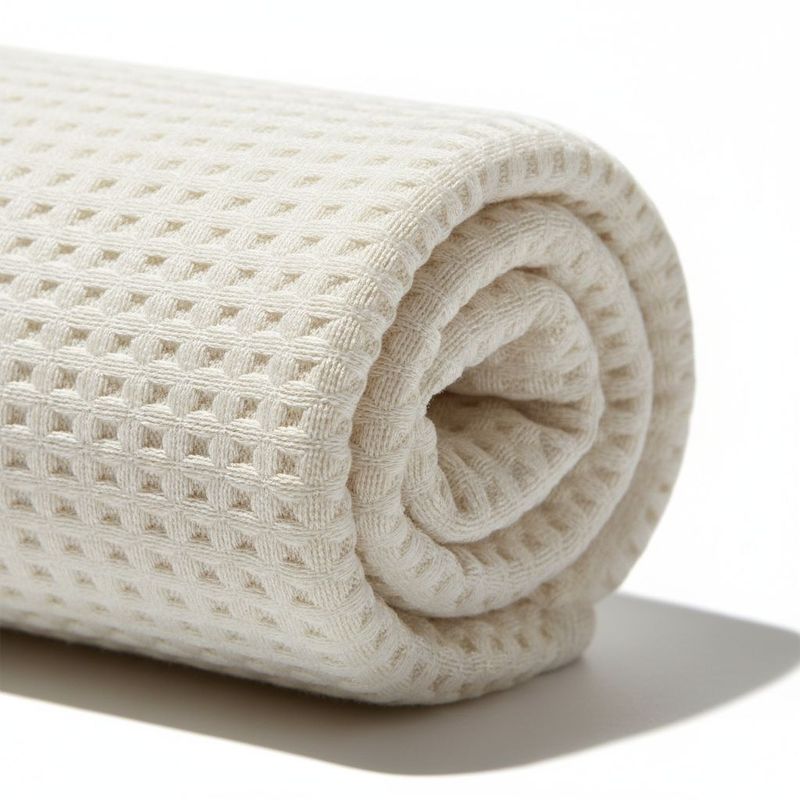
Microfiber towels
Travel, sports, hair
Popular for travel and gym due to small volume when folded.
High absorbency relative to its own weight and very fast drying are the main advantages of this variant. The downside is usually a less pleasant feel than cotton terry, which matters little for travel or sports applications.
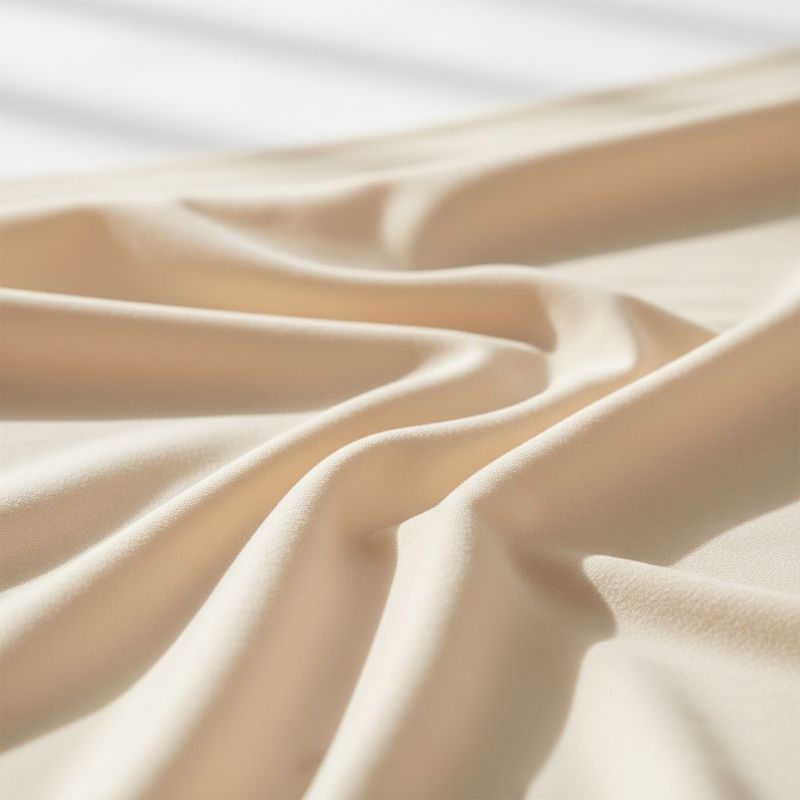
Peach-skin bedding
Peach, very thin
Low grammage promotes pilling with improper washing.
Very thin and lightweight finish with a characteristic, velvety texture reminiscent of peach skin. However, low grammage means low breathability and greater susceptibility to pilling than heavier, functional variants of microfiber.
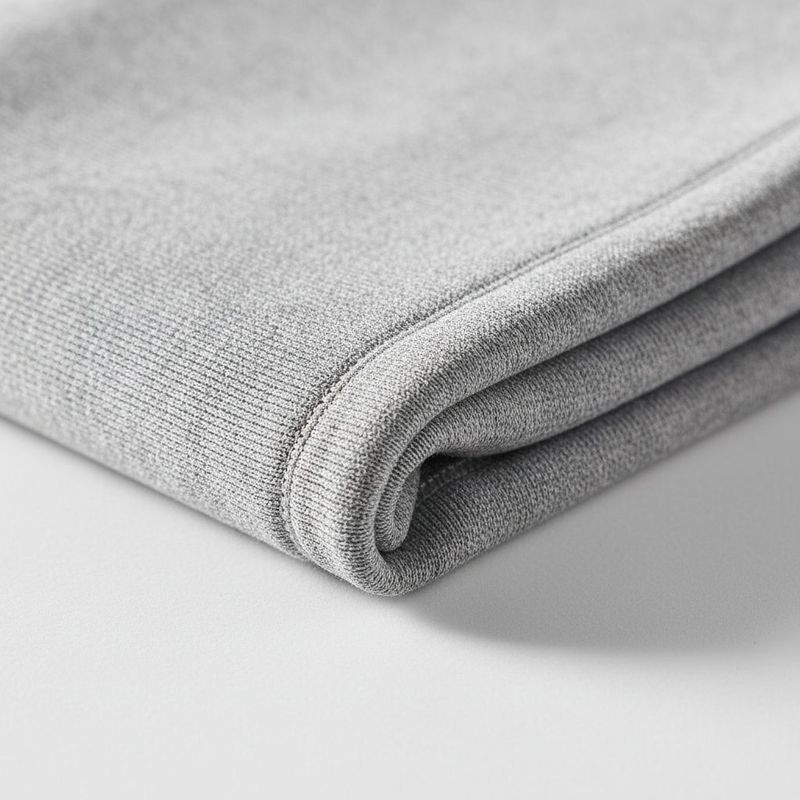
Sportswear and technical clothing
Thermal active underwear, running apparel
Washing rules are gentler than for cleaning cloths.
A variant optimized for sweat wicking, often with an elastane blend of 5 to 15% for flexibility of movement. This is a completely different use category than cleaning cloths, so it is also governed by different, gentler washing rules.
The lower the fabric grammage, the gentler washing must be. Bedding and sportswear tolerate much less than thick, professional cleaning cloths, and it is this difference that governs the rules described in the rest of the article.
It's also worth noting that microfiber is technically a variety of polyester. General rules for washing polyester fabrics, regardless of fiber thickness, are described in a separate article on polyester.
Microfiber isn't a separate raw material, just polyester (with a polyamide share) spun using fiber-splitting. Hence the frequent confusion with regular polyester, though functionally it's a different category: the split wedges give a many-times-larger active surface that captures dust and grease mechanically and electrostatically, which smooth, thicker polyester can't.
Flannel and fleece are sometimes mistaken for microfiber by feel, but they have a different fiber structure and different washing rules. The full rules for washing regular polyester are in a dedicated guide, linked in the related guides section below.
We cover each aspect of microfiber care separately, in short, practical guides. This way you reach a specific answer faster, instead of scrolling through one long text. Below you'll find the whole series:
- Microfiber stopped absorbing
- How to wash microfiber cloths and mops
- Why microfiber smells
- Microfiber bedding and blankets
- Drying and ironing microfiber
- When to take microfiber to a laundry

Now you know the theory. Practice can be less forgiving.
If you would rather not risk your favourite piece, leave it to the specialists at Gorące Żelazko laundry in Lublin.


About the author
Małgorzata Małecka
Owner of the Gorące Żelazko laundry
Małgorzata Małecka runs the Gorące Żelazko laundry in Lublin. Together with her team, she makes sure customers' clothes, shoes and fabrics come back clean and in the best possible condition.