Professional Cleaning versus Home Care
when to use each method for an angora sweater, so it does not felt or lose its shape

Home washing of angora only makes sense for items in good condition, with a known care history, and with minimal soiling. If the situation deviates from this standard, the risk of a home attempt starts to outweigh the potential savings.
Angora is one of the most delicate fibers used in clothing, so the choice between washing at home and taking the item to a dry cleaner should weigh the label composition, the condition of the knit, and the value of the item itself, not just the wish to save on the service.
Why angora felts so easily
the fiber structure and the mechanism behind irreversible damage to the knit
Angora fiber comes from rabbit fuzz and has a structure clearly different from sheep wool. It is very thin, 11 to 16 microns, and has an open, scaly surface that, under friction, heat, and moisture, catches on neighboring fibers.
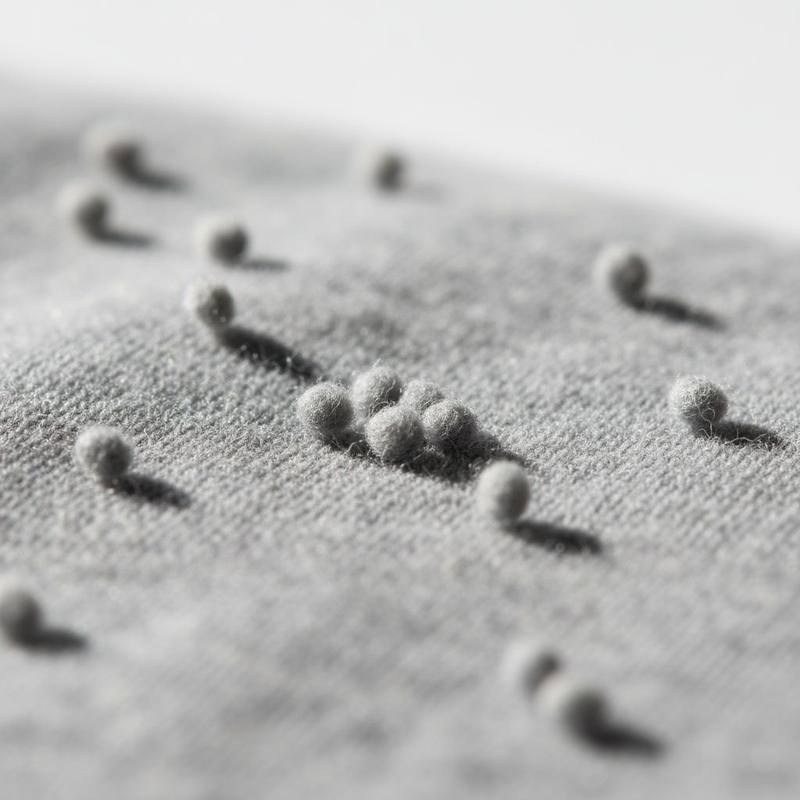
When the knit is agitated in hot water or kneaded intensively, the fiber scales interlock and mat into a dense pelt. This process is called felting, and it is practically irreversible. A felted structure cannot be unpicked back into separate fibers, and attempts to comb it out usually just pull the fuzz out of the knit's base.
Properties of angora fiber
11 to 16 microns, much thinner than sheep wool
Very high, thanks to the hollow structure of the fibers
Low, the fiber breaks easily and sheds from the knit
High, when friction, heat, and moisture occur together
Safe home washing step by step
when conditions allow it, angora can be washed at home
- 1
Check the label and the condition of the knit
A symbol showing only dry cleaning, or previous signs of felting, rule out home washing regardless of the following steps.
- 2
Prepare cold water with a gentle detergent
Room-temperature or cooler water and a detergent meant for wool and delicate fabrics reduce the risk of the fibers tangling.
- 3
Submerge and gently knead without rubbing
The motion should be vertical and kneading, never circular or vigorous. Fibers rubbing against each other is the main mechanism of felting.
- 4
Dry flat, away from heat sources
Lay the sweater out on a towel in the shape it should have once dry. A tumble dryer or a radiator can ruin the structure of the fuzz within minutes.
The most common mistakes when washing angora at home
Hot water, vigorous wringing, and a tumble dryer are the three most common causes of felting at home. Any of these mistakes can happen even with good intentions, if the washing pace is too fast and the water temperature is not controlled.
When to give up on home washing
signals that mean it is worth choosing a dry cleaner right away
When to Take Angora to the Laundry
Do
- Take it to the laundry when the angora content in the composition exceeds about 70 percent, which maximizes the risk of error with home washing
- Take it to the laundry when the label indicates only chemical cleaning without water-washing option
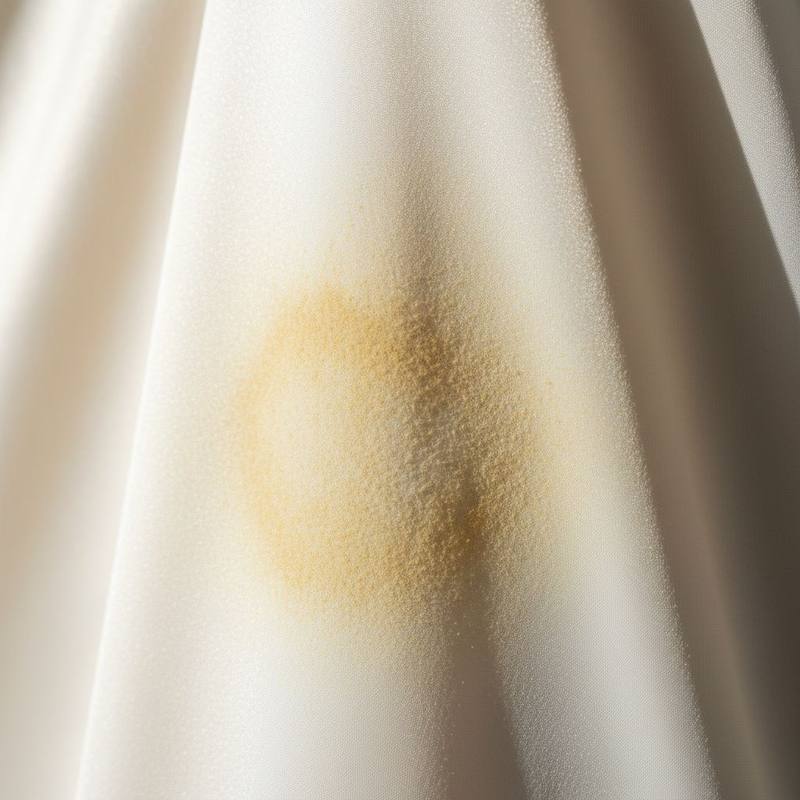
- Take it to the laundry with an old, dried, or stain of unknown origin
- Take it to the laundry with an expensive product, for example a coat or jacket with angora trim
- Take it to the laundry if a previous home attempt resulted in partial felting or shape loss
Don't
- Do not experiment with home stain removers on old, dried stains
- Do not try to repair felted knit yourself, the effect of felting is practically irreversible
- Do not risk an expensive or sentimental item just to save on professional service
If you live in Lublin, Gorące Żelazko laundry at ul. Wrońska 2 handles delicate fabrics every day, including angora and other protein fibers.
Before accepting an order, it always checks the composition, condition of the fuzz, and type of soiling to honestly assess what can be restored. The facility is open 9:00–17:00.
Angora versus mohair: how to tell them apart on the label
two different animal fibers, often confused because of the similar-sounding name
Angora versus mohair
Angora
Angora rabbit fuzz
Angora is thinner and more delicate than mohair, which gives it the characteristic fluffy, soft effect on the surface of the knit. That same thinness, however, makes it much more prone to felting and to shedding fibers from the fabric.
Mohair
Angora goat hair
Mohair comes from a completely different animal than angora, despite the similar-sounding name. The thicker, more lustrous fiber withstands friction better and felts less often with careless washing.
How to check the composition before washing
A label with care symbols tells you more than the sweater's marketing name. Before choosing a washing method, check the exact percentage of angora in the composition, because that is what decides the risk, not just the presence of the fiber in the blend.

Now you know the theory. Practice can be less forgiving.
If you would rather not risk your favourite piece, leave it to the specialists at Gorące Żelazko laundry in Lublin.


Frequently asked questions
Mohair comes from the fur of the Angora goat (Capra hircus), and angora from rabbit fuzz. Mohair is thicker, 25 to 40 microns in adult goats, and noticeably more lustrous. Angora is much thinner, 11 to 16 microns, matte and more delicate, but weaker mechanically.
It depends on the sourcing method. Brushing during natural molting and shearing are considered gentle to the animal. Live plucking is a criticized practice that causes pain and stress, and many clothing brands have withdrawn from this source in favor of brushing or shearing over the past decade.
Yes, especially when the angora content exceeds about 70 percent, the label shows only a dry cleaning symbol, the stain is old or of unknown origin, the item is valuable, or a previous home attempt resulted in partial felting. Professional laundry sweater washing starts at 40 PLN, and the cost of a failed home washing attempt is often much higher.
The OEKO-TEX Standard 100 certificate confirms the absence of harmful chemical substances in the finished textile product. It tests the finished product, not the way the fiber itself was sourced, and it is especially important for children's products and for people with sensitive skin.
Home methods for combing out felted knit do not, in practice, restore the original fiber structure, because interlocked scales cannot be separated without further damaging the fuzz. In that situation it is better to take the sweater to a dry cleaner, where a professional can assess whether the felting effect can be softened, instead of deepening the damage with more home attempts.
About the author
Małgorzata Małecka
Owner of the Gorące Żelazko laundry
Małgorzata Małecka runs the Gorące Żelazko laundry in Lublin. Together with her team, she makes sure customers' clothes, shoes and fabrics come back clean and in the best possible condition.