Tights and Stockings: How to Wash Them Without Getting Runs
A rescue ritual for washing the most delicate polyamide knit fabric

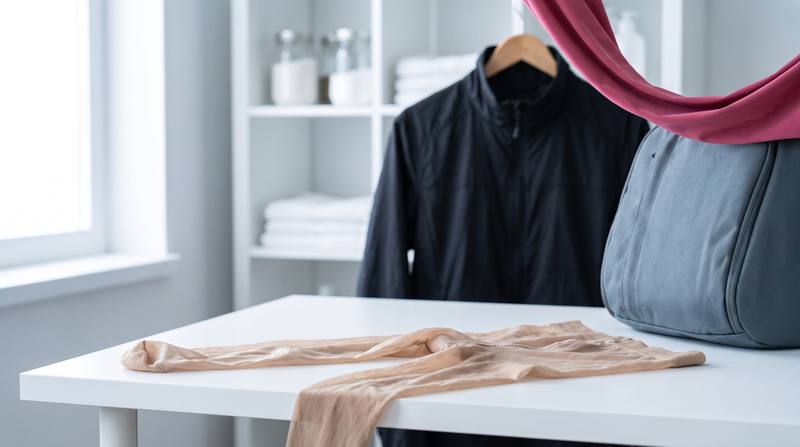
If you buy tights regularly and they tear regularly, you're not unlucky. This is the most frequently reported, most widespread problem associated with nylon in Polish homes. A pair of tights looks perfect coming out of the washing machine, then gets a run on the first wear.
This frustration is entirely justified: thin polyamide knit is one of the most delicate items in your wardrobe. However, polyamide as a fiber is very durable. The problem isn't the material, it's how we treat it in the washing machine.
In this guide you'll find the whole picture: why the knit tears in the washing machine of all places, how to match tights thickness to how you use them, the rescue washing ritual step by step, the most common mistakes, and situations where it's better to hand the item to professionals than risk another attempt at home.
Why Tights Catch Runs So Easily
the snagging mechanism inside the drum, and how temperature and spin speed weaken the fiber
The mechanism is simple to understand. In a spinning drum, fine knit catches on zippers, hooks, buttons and rougher fabrics washed with it. One snag is enough to create a run, which spreads on the first wear. Add to this the temperature and spin speed. Too high a temperature and high spin speeds weaken the delicate fiber more than just wearing it all day does.
In other words: it's not just the tights that are fragile. It's the standard washing program that's too harsh for them.
The knit itself is built from a single, continuous thread looped into stitches. When the thread breaks in one spot, the neighboring stitches lose support and start unraveling one after another, which is why the damage spreads so quickly up or down the leg. That's why a small snag, invisible right after washing, only shows up the first time you stretch the fabric while putting the tights on.
Parameters for Safely Washing Tights
30°C maximum. Higher temperatures weaken the polyamide fiber and speed up the loss of elasticity
Off, or 400 rpm maximum. High spin speeds are the most common cause of mechanical damage in the drum
Liquid detergent for delicates, without optical brightener. Powder rinses out of dense knit less easily
Delicate or synthetic fabric program, always with a wash bag, which cuts down friction against other clothes in the load
Denier Decides Durability
fiber thickness, which determines how many snags tights survive before a run appears
Tights Thickness and Resistance to Snagging
Sheer Tights
8 to 15 denier
The thinnest knit, typical for elegant outfits. The smallest snag ends in a run, so it needs the most careful washing.
Everyday Tights
20 to 40 denier
The most popular choice for daily wear. Still needs a wash bag and low temperature, but withstands more minor snags than thinner knit.
Opaque and Reinforced Tights
50 denier and up
Thicker knit, often with a reinforced foot and waist zone. Handles home washing best, though it still benefits from a delicate program.
Rescue Ritual for Washing Tights and Stockings
- 1
Zip up zippers and hooks on other clothes
Before putting tights in the drum with the rest of the wash, zip up all zippers, buttons and hooks on other items. This is the most common source of snagging and runs.
- 2
Put in a wash bag
A mesh delicate wash bag physically separates fine knits from the rest of the load and limits friction. This single habit change eliminates most cases of runs.
- 3
Wash at 30°C, delicate program
Select delicate or synthetic fabric program, maximum 30°C temperature. Turn off spin completely or limit to maximum 400 rpm.
- 4
Dry flat
Never in a tumble dryer. Lay tights flat on a drying rack or towel, away from radiators and direct sun, which speeds yellowing.
- 5
Store flat or loosely rolled
Never tie tights in a knot for storage. A permanent crease in one spot weakens the fiber exactly where tearing will happen fastest.
Mistakes That Ruin Delicate Knit the Fastest
everyday washing habits that turn into a run on tights after just one use
Washing Tights in a Nutshell
Do
- Zip up zippers, buttons and hooks on other clothes before washing
- Use a mesh wash bag even for a single pair
- Wash at 30°C maximum, delicate or synthetic program
- Dry flat, away from radiators and sunlight
Don't
- Don't wash tights together with towels, jeans or clothes with zippers
- Don't set spin above 400 rpm
- Don't tumble dry or dry on a radiator
- Don't tie tights in a knot for storage
The popular trick of putting new tights in the freezer overnight has no proven impact on durability. It doesn't replace a wash bag or low temperature, so you don't need to bother with it. It is, however, worth washing new tights before their first wear, even if they look clean straight out of the packaging. A gentle rinse in cool water removes the finishing agents applied during production, which stiffen the knit and make it more prone to snagging the first time you put it on.
Hand Washing as a Safe Alternative to the Machine
a short ritual at the basin or sink, for when you don't want to risk even a delicate program
Hand washing eliminates the risk of snagging on other clothes, because the tights wash on their own, in calm water, without spinning or friction in the drum. Fill a basin with lukewarm water close to 30°C and add a small amount of liquid detergent for delicates.
Submerge the tights and gently squeeze them in the water for a few minutes, without rubbing or wringing. Rinse in clean water at the same temperature until the suds disappear. Press out excess water with your hands or roll the tights in a towel. Never wring them by twisting, as that's the fastest way to permanently stretch the knit.
When a Run Can No Longer Be Saved
If a run appears right at the crotch seam or over a large area of the thigh, home remedies like nail polish on the edge usually only slow the unraveling of the knit rather than stop it for good. That matters little with cheap, everyday tights you'll replace soon anyway. The situation is different with expensive, branded tights, delicately patterned stockings, or garments where tights are only part of a larger outfit, such as a wedding or evening look. In those cases, it's better to hand the item straight to professional cleaning rather than experiment at home and risk the next wash deepening the damage.

Now you know the theory. Practice can be less forgiving.
If you would rather not risk your favourite piece, leave it to the specialists at Gorące Żelazko laundry in Lublin.


Frequently asked questions
Zip up zippers and hooks on other clothes first. Put tights in a mesh wash bag. Wash at 30°C without spin or maximum 400 rpm. Finally dry them flat, away from heat sources.
Usually it's not the quality of the tights, but how you wash them: fine knits snag in the drum on zippers, hooks and rougher fabrics, and too-high spin speeds further weaken the fiber.
Absolutely. A mesh wash bag physically separates fine knits from the rest of the load and limits friction. This one habit change eliminates most cases of runs.
Yes, especially the sheerest tights with low denier. Hand washing in lukewarm water eliminates the risk of snagging on other clothes and friction in the drum, which are the most common causes of runs.
Yes. Higher denier means a thicker thread, which withstands more minor snags before it breaks. Sheer tights with low denier are the most prone to damage, even on the very first wash under the wrong conditions.
About the author
Małgorzata Małecka
Owner of the Gorące Żelazko laundry
Małgorzata Małecka runs the Gorące Żelazko laundry in Lublin. Together with her team, she makes sure customers' clothes, shoes and fabrics come back clean and in the best possible condition.