Modal
Complete guide to beechwood fabric

What is modal?
Cellulosic fiber from beechwood, classified as HWM
Modal belongs to the family of regenerated cellulose fibers, known by the acronym MMCF (man-made cellulosic fibers). Alongside it in this group you'll find viscose and lyocell. These are fabrics that, despite plant origin of the raw material, go through a chemical process similar to the production of synthetic fibers.
The starting material for modal is *common beech wood (Fagus sylvatica), though technically the process allows for other hardwood species with sufficient alpha-cellulose content. The most recognized brand on the market is Lenzing Modal®*, produced by Austrian conglomerate Lenzing AG at their facility in Lenzing, Upper Austria.
Among regenerated celluloses, modal is defined as a second-generation fiber. The first generation is viscose (rayon), developed in the late 19th and early 20th centuries. Modal, or the second generation, was created at Lenzing facilities in the 1960s as a modification of the classic viscose process. The third generation is represented by lyocell, known under the brand TENCEL™ Lyocell, produced in a closed-loop solvent cycle and considered the most ecological variant of this fiber family.
The technical difference that sets modal apart from ordinary viscose lies in the acronym HWM, which stands for High Wet Modulus. This is a category defined by the industry standard BISFA (International Bureau for the Standardisation of Man-Made Fibres). This standard describes cellulose fibers with a markedly elevated modulus of elasticity when wet, meaning the force needed to cause 5% elongation of a sample in the wet state.
In practical production, modal is made by the same process as viscose: dissolving cellulose in sodium hydroxide, xanthation with carbon disulfide, wet spinning. The key modification appears at the coagulation stage. The composition of the bath contains sulfuric acid, sodium sulfate and zinc sulfate (ZnSO4) in different proportions, and the coagulation itself proceeds more slowly. This slower process allows cellulose chains to arrange themselves in a more ordered, higher crystallinity structure.
You notice this effect directly at the washing machine. Modal has higher resistance to stretching in the wet state and less risk of deformation during spinning. It can be washed at higher temperatures than ordinary viscose, and shrinkage after the first wash is noticeably smaller.
The route from a beech log to soft fabric on your skin passes through several chemical stages worth knowing about, if only to understand why modal requires different treatment than cotton. The entire process is based on the viscose/xanthate method, the same one behind viscose production, but with modified parameters in the final stage.
- 1
Wood chipping and pulp production
Beechwood goes into processing to make cellulose pulp (pulp) by sulfite or kraft methods. This is the same raw material from which paper is made, only subjected to further, deeper chemical treatment.
- 2
Mercerization with sodium lye
The cellulose pulp is subjected to mercerization, meaning treatment with sodium hydroxide (NaOH). The process increases cellulose reactivity and prepares it for the next stage.
- 3
Xanthation with carbon disulfide
Alkaline cellulose reacts with carbon disulfide (CS2), creating cellulose xanthate, an intermediate compound necessary for dissolving the fiber.
- 4
Dissolution in NaOH
Xanthate dissolves in diluted sodium hydroxide, creating a viscous, yellowish liquid called viscose, the spinning solution ready for fiber formation.
- 5
Wet spinning into modified coagulation bath
The spinning solution goes by wet method into a bath with sulfuric acid, sodium sulfate and zinc sulfate. Slower coagulation at this stage determines the higher crystallinity and wet strength that define modal as an HWM fiber.
Modal properties
Softness, moisture absorption and fiber strength
Before you dive into the dry numbers, it's worth understanding where modal's characteristic softness comes from. Under a microscope, the cross-section of a single modal fiber is round or slightly oval and smooth. By comparison, the cross-section of a viscose fiber is irregular, jagged, with visible teeth on the surface.
These microscopic teeth in viscose create additional friction when in contact with skin. The smooth, round surface of modal creates virtually no such friction, so the fabric noticeably slides across skin instead of gently scratching it. It's precisely this difference in fiber geometry, not some additional finishing treatment, that accounts for the "second skin" effect so often attributed to modal.
Physical parameters of modal
approx. 1.50–1.52 g/cm³
approx. 34–36 cN/tex
approx. 60–65% of dry strength
approx. 13–15%
approx. 12–13%
approx. 1.1–1.7 dtex
These numbers translate in practice to two concrete things:
- High moisture absorption in the range of 12 to 13% combined with the fiber's smooth cross-section gives exceptional softness to the touch, clearly higher than cotton or ordinary viscose.
- Dry strength in the range of 34 to 36 cN/tex means modal withstands the wash and spin cycle better than classic viscose, which has dry strength hovering around 22 to 26 cN/tex.
There is one caveat worth remembering with every wash: in the wet state modal loses much of its strength, retaining only 60 to 65% of its dry value. This is still clearly better than standard viscose (40 to 50%), but worse than cotton, which in the wet state retains even 110 to 125% of dry strength, meaning when wet it's stronger than when dry.
90 / 100
The smooth, round cross-section of the fiber with no jagged surface typical of viscose translates to a score of 90 out of 100. This is one of the highest softness scores among regenerated cellulose fibers.
85 / 100
Moisture regain at the level of 12 to 13% according to ISO 139 standard gives a score of 85 out of 100. Modal absorbs sweat and moisture noticeably better than cotton (7 to 8.5%), which translates to wearing comfort for underwear and pajamas.
60 / 100
This is modal's weakest point: in the wet state the fiber retains only 60 to 65% of dry strength. A score of 60 out of 100 reminds us that wet fabric requires gentle handling, especially during spinning.
65 / 100
A score of 65 out of 100 means low to moderate pilling susceptibility, clearly better than cotton or standard viscose, but still requiring sorted laundry and avoiding aggressive friction with other fabrics.
Modal and viscose come from the same xanthate process, but modal goes through slower coagulation in a modified bath, which gives it higher wet strength (the HWM, High Wet Modulus, category). In practice this means less shrinkage after the first wash (2 to 5 percent versus 5 to 10 percent for viscose) and a higher safe temperature: modal usually up to 40 degrees Celsius, and some HWM products even up to 60, while standard viscose stops at 30. The full rules for washing viscose are in a dedicated guide, linked in the related guides section below.
Against cotton, modal wins on softness and moisture absorption but has lower wet strength. Which one to choose for bedding, underwear, and towels is settled in the separate modal bedding guide in this series.
Types of modal
MicroModal, Lenzing and blends with cotton and elastane
Not every modal on a label means the same thing. The market today offers several variants of this fabric, differing in fiber thickness, certification of wood origin or addition of other materials. Below are five variants worth watching out for: standard modal, MicroModal, certified Lenzing or TENCEL modal, blends with cotton and blends with elastane.
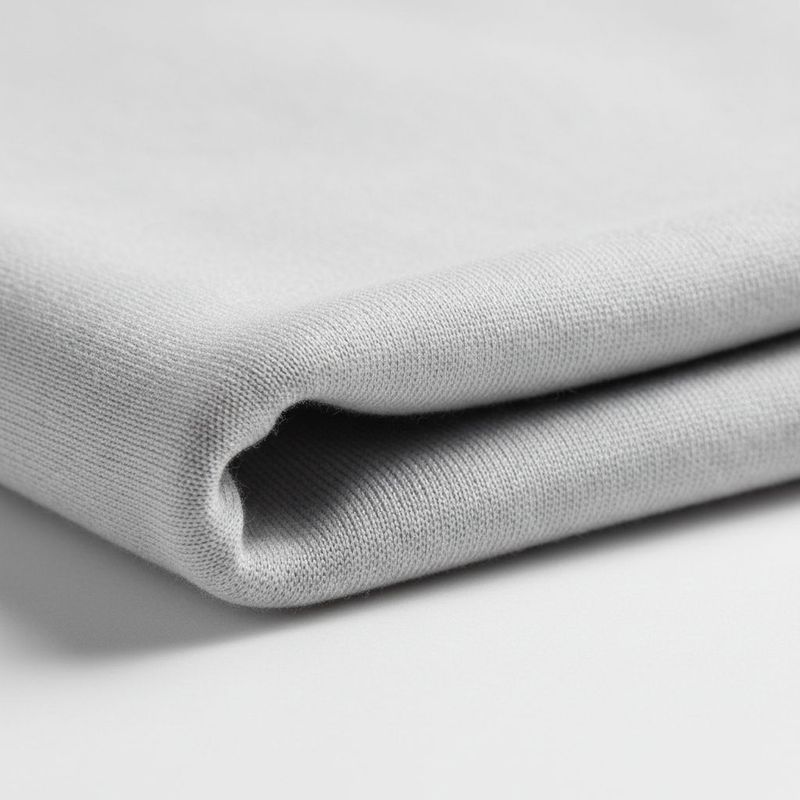
Standard modal (100%)
Standard fiber
Standard modal as 100% fiber is the most basic variant of the fabric, found most often in mid-range bedding, shirts and t-shirts. It provides the typical modal combination of softness and higher wet strength than viscose, without additional modifications or premium pricing.
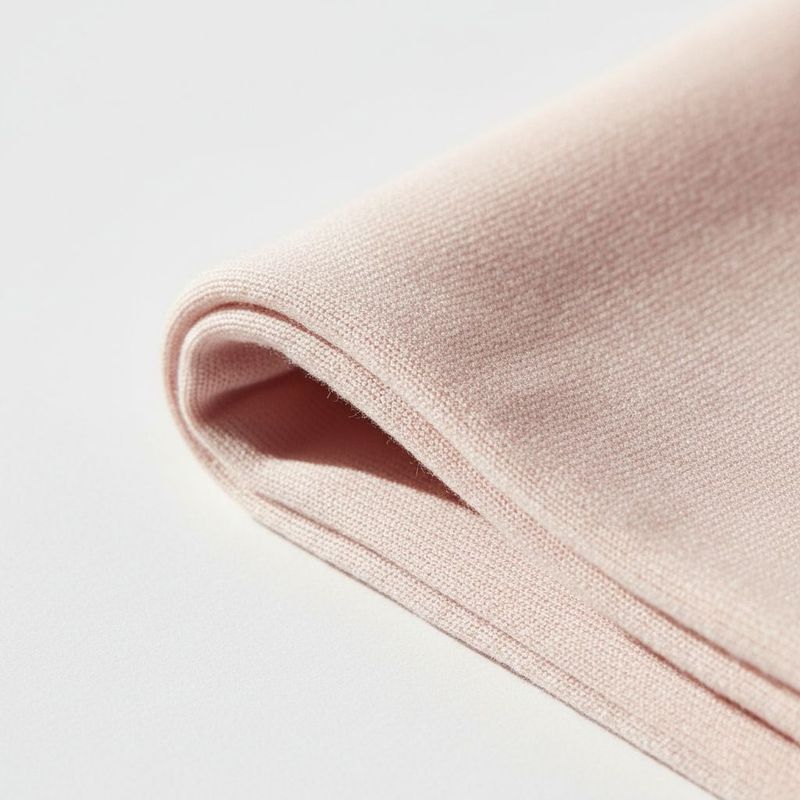
MicroModal
Thinner fiber, higher softness
MicroModal is a fiber with smaller linear mass, meaning thinner individual fiber than standard modal. Thinner fiber allows more individual threads to be packed in the same yarn, which translates to even higher softness to the touch. It's a variant often chosen for underwear and premium products, where fabric feel against skin is key.
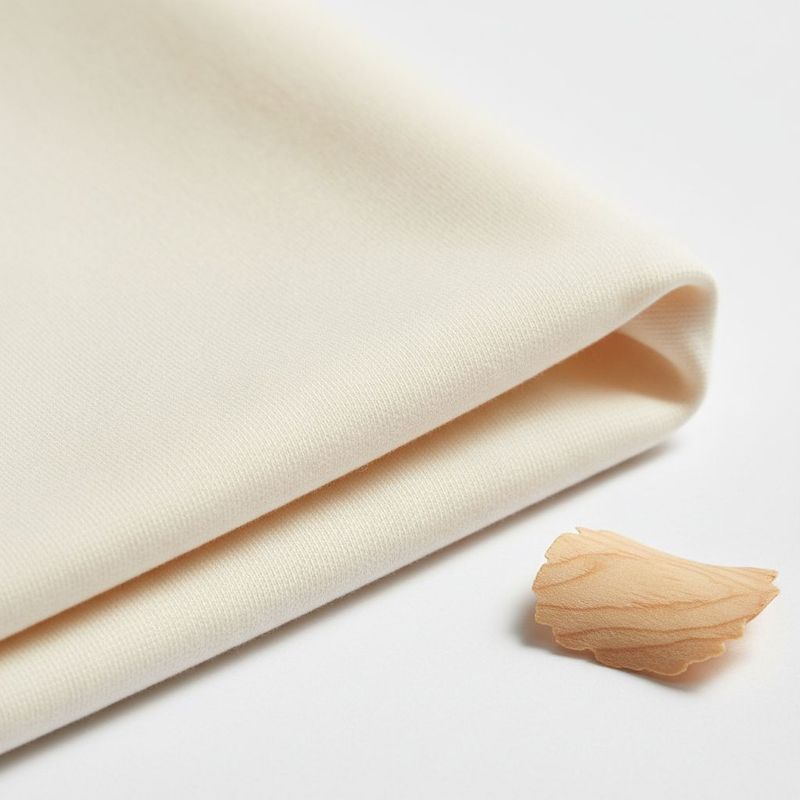
Lenzing Modal / TENCEL Modal
Certified wood origin
Modal with Lenzing or TENCEL Modal mark is a variant with documented, certified origin of beechwood from FSC or PEFC managed forests and controlled production process at Lenzing AG facilities. It's the choice for people concerned about traceability of raw material origin.
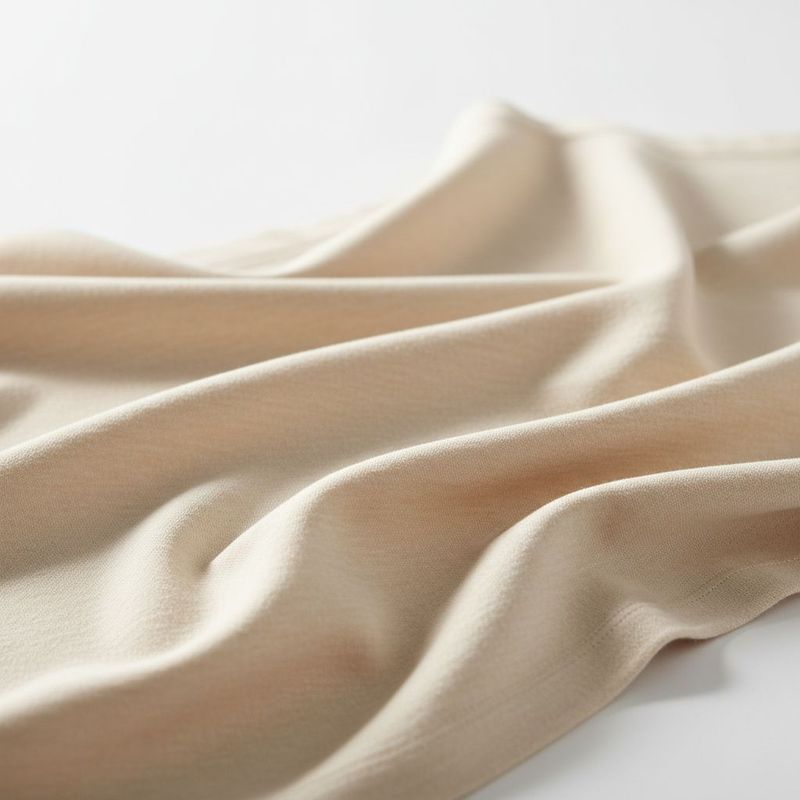
Modal-cotton blend
Ratios from 40/60 to 60/40
Modal-cotton blends combine the softness and absorption of modal with the durability and easier care of cotton. Typical ratios range from 40/60 to 60/40, depending on manufacturer and fabric purpose. It's a reasonable compromise for people who want some of modal's benefits without the full sensitivity of 100% fiber.
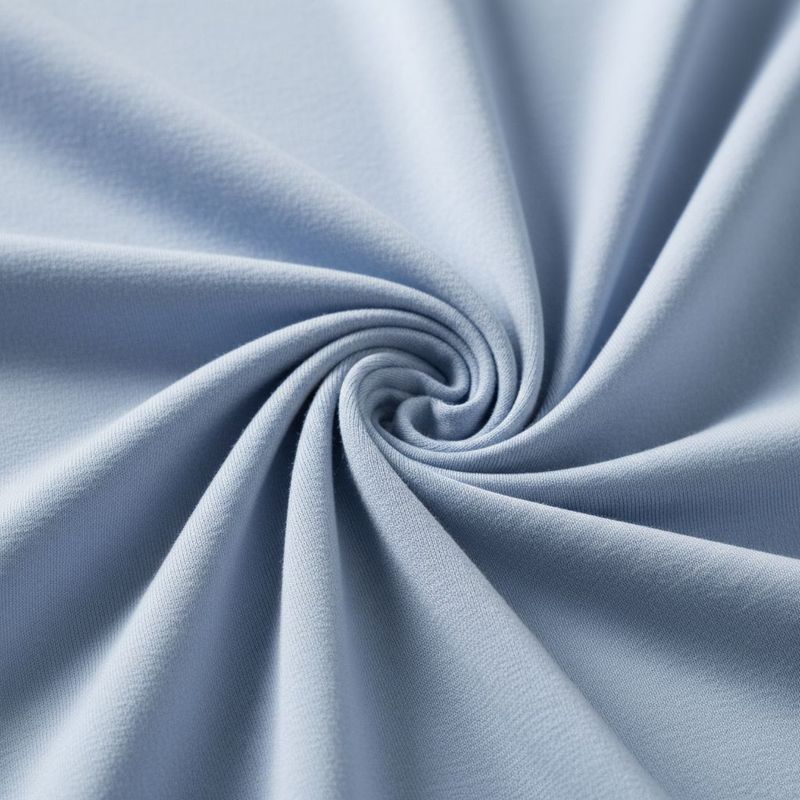
Modal-elastane blend
2 to 8% elastane
The addition of 2 to 8% elastane gives the fabric stretch, valued in underwear and leggings. This blend requires gentler washing regime than 100% modal, though, because elastane degrades in high temperature and under chlorine faster than cellulose fiber alone.
What sets MicroModal apart from standard modal in practice comes down to one number: the fiber's linear mass. The smaller the linear mass, the thinner the individual fiber and the more fibers fit in the same yarn, which translates to noticeably higher softness.
It's also worth remembering one practical rule: elastane blends require gentler washing than 100% modal. If your underwear or leggings have "elastane" noted on the label, stick to the lower end of the recommended temperature range and avoid high spin speeds.
Is modal worth choosing
Allergies, certifications and pros and cons balance
Modal as a fiber is inherently hypoallergenic. The regenerated cellulose itself contains no animal proteins, unlike wool, and less often triggers contact reactions than synthetic fibers like polyester or acrylic. That's why modal so often ends up in underwear and pajamas designed with sensitive skin and atopic dermatitis in mind.
The real risk of irritation doesn't lie in the fiber itself, but in chemical finishing. Cheaper modal products are sometimes subjected to resin finishes based on formaldehyde, which improve wrinkle resistance, but it's these, not cellulose, that most often cause contact irritation.
That's why before first skin contact, especially for underwear and children's bedding, wash the item. One wash removes trace sulfur from the xanthation stage and zinc salts remaining from production, which account for the characteristic smell of new products.
Certification worth looking for on the label

OEKO-TEX Standard 100
Confidence in Textiles
Chemical safety certificate for finished textile product, limiting free and released formaldehyde content depending on product class. Products with this logo are tested for presence of over 100 harmful substances.
- Class I: products for infants, most restrictive
- Class II: products in direct skin contact, for example underwear
- Class IV: decorative products, least restrictive
- Testing for over 100 harmful substances
Compiling all the data from this article, the modal balance looks like this. Exceptional softness and high moisture absorption against weaker wet strength and usually higher price than standard cotton.
The ecology question tends to come up as often as care questions. Beechwood used by brands like Lenzing or TENCEL more often comes from certified FSC or PEFC sources, and the production process operates in a partially closed-loop cycle.
However, to be honest: modal is less ecological than lyocell, or the third generation of regenerated celluloses, known under the brand TENCEL Lyocell. In this process solvent recovery exceeds 99%, and the entire cycle closes almost completely.
Modal in a nutshell
Do
- Exceptional softness from smooth, round fiber cross-section
- High moisture absorption at 12 to 13%
- Less shrinkage and pilling than ordinary viscose
- Inherently hypoallergenic, no animal proteins in composition
Don't
- Weaker wet strength than cotton (60 to 65% versus 110 to 125%)
- Requires lower temperature and delicate program
- Usually more expensive than standard cotton
- Sensitive to chlorine bleach
We cover each aspect of modal care separately, in short, practical guides. This way you reach a specific answer faster, instead of scrolling through one long text. Below you'll find the whole series:
- How to wash, dry and iron modal
- Modal shrank or stretched
- Modal underwear and pajamas
- Modal bedding: modal, cotton or viscose
- When to take modal to a laundry

Now you know the theory. Practice can be less forgiving.
If you would rather not risk your favourite piece, leave it to the specialists at Gorące Żelazko laundry in Lublin.