Bamboo
Viscose, greenwashing and bamboo fabric care

What is bamboo fabric
viscose, lyocell and natural bamboo fiber: three different materials under one name
The raw material for almost all bamboo fabrics comes from a single species: Phyllostachys edulis, known as Moso bamboo. It is cultivated on a massive scale mainly in China. This is a giant grass, not a tree, although its stems can be harder than some hardwoods.
The mere fact that a fabric comes from bamboo says surprisingly little about what product will finally end up on your shelf. The character of the fiber is determined entirely by how the factory processes the stalks: whether it dissolves the cellulose in aggressive chemicals, dissolves it in a gentler solvent, or forgoes dissolving altogether in favor of mechanically combing out the fibers.
Below are three variants hidden under a single "bamboo" label. Check their market share and what they really are to the touch.
Three fabrics, one plant
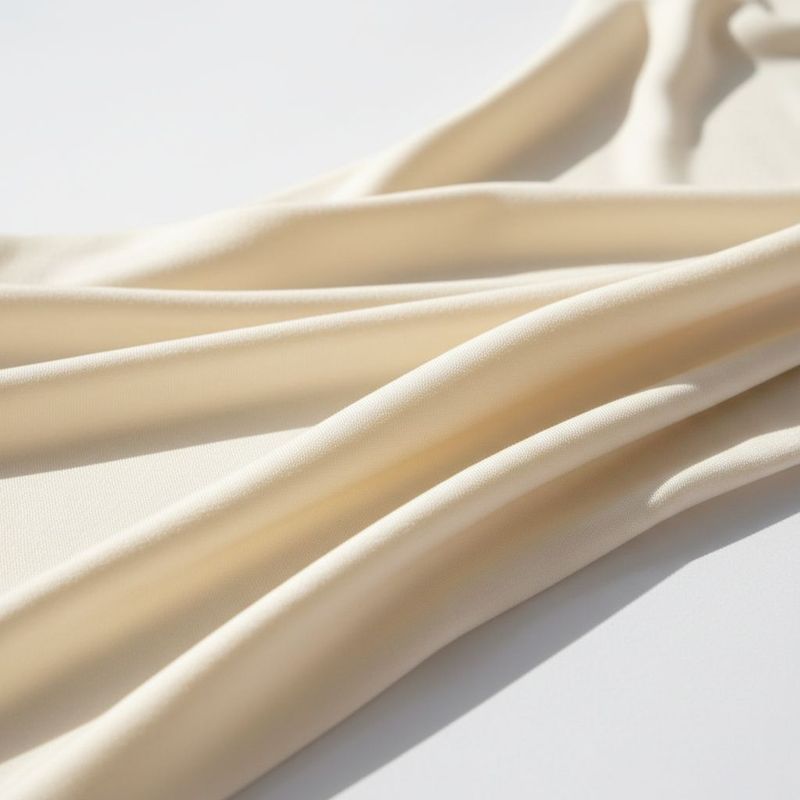
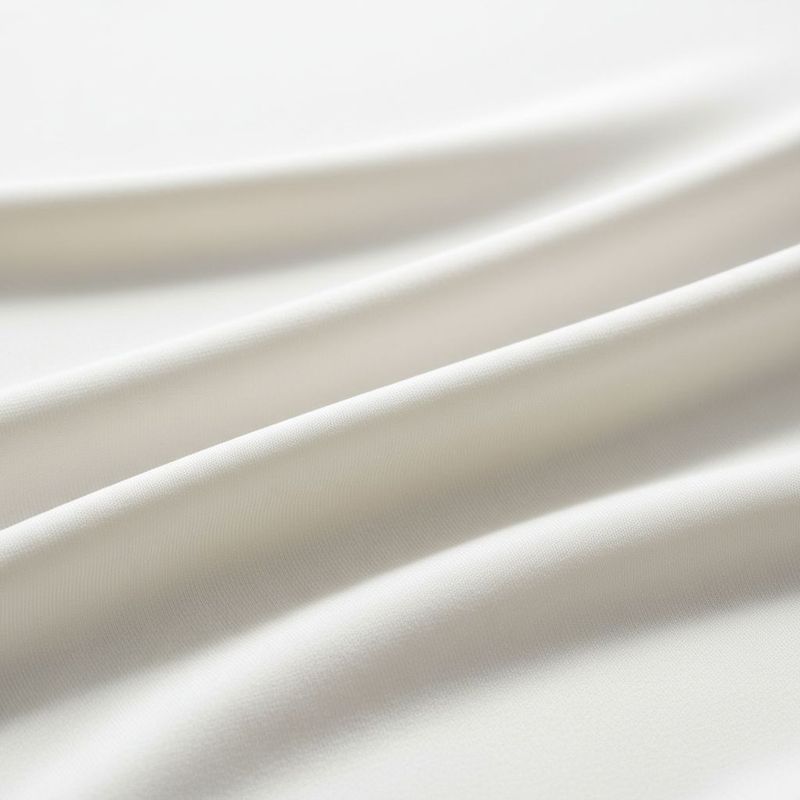
Bamboo viscose (rayon)
Viscose process: NaOH + carbon disulfide (CS₂)
Chemical structure identical to viscose from eucalyptus or spruce wood.
This is the variant you buy in 19 out of 20 cases when the label says "bamboo". Cellulose from stalks is dissolved in sodium hydroxide and carbon disulfide, then spun through an acidic coagulation bath. The chemical result is identical to regular wood viscose, regardless of what the trade name suggests.
Bamboo lyocell
NMMO solvent, closed-loop process
More expensive to produce, which is why it rarely reaches mass market clothing.
Cellulose is dissolved in N-methylmorpholine oxide instead of CS₂, and the facility recovers nearly all the solvent back into circulation. This is genuinely a cleaner process, but higher production costs limit it to premium collections and high-end brands.
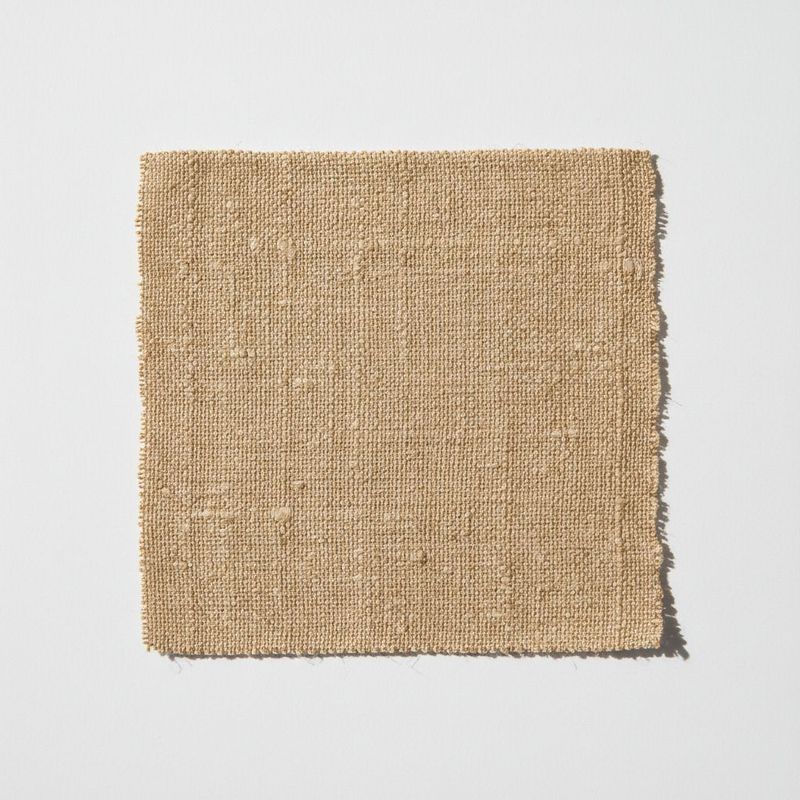
Bamboo mechanical fiber
Also called "bamboo linen"
The only variant that truly deserves the name "natural bamboo fiber".
Stalks are crushed and mechanically combed, and enzymes help separate the fibers without dissolving the cellulose. This is the only one of the three variants that is a true natural fiber with a structure similar to linen, but the cost of production means you rarely see it outside of more expensive artisanal fabrics.
A key technical fact explains most of what follows in this article. After the viscose process is complete, the crystal structure of the resulting cellulose, called cellulose II, is identical regardless of the raw material. Whether it was bamboo, eucalyptus or pine. No chemical analysis or microscopy can distinguish finished viscose fiber from bamboo from viscose from other wood.
This raises an obvious question, which the next section answers. Since the chemical process is the same and the end product is indistinguishable, what exactly is the environmental advantage of bamboo over regular wood viscose?
Bamboo properties in practice
breathability, moisture absorption and softness versus low wet strength
Setting aside the ecology dispute, bamboo viscose has real, measurable performance properties. Some of them actually explain why this fabric can be pleasant to the touch and cool in summer.
Moisture regain at 11 to 13% is noticeably higher than in cotton (7 to 8.5%) or linen (about 7%). This difference is precisely what stands behind the characteristic feeling of coolness and softness when in contact with skin. Linear density of the fiber, on the order of 1.3 to 1.6 denier, means thin, smooth threads, without the rough ends typical of wool.
Fiber physicochemical parameters
11-13%
1.8-2.2 g/den
up to 40-50%
Low to medium
3-8%
approx. 175-190C, does not melt like thermoplastic
An honest balance looks like this: on the plus side you have breathability, moisture absorption, softness and a smooth fiber surface, noticeably less scratchy than wool. On the minus side is one flaw that weighs exceptionally heavily: loss of wet strength on the order of 40 to 50%.
This means that wet bamboo fabric is exceptionally prone to stretching and mechanical deformation, much more than wet cotton or linen. This is precisely why bamboo requires a completely different washing regime than a regular cotton shirt, detailed in the next section.
85 / 100
High moisture regain makes bamboo feel pleasantly cool and dry on hot days, much better than cotton of the same weight.
30 / 100
This is the weakest point of bamboo fiber. A loss of strength of 40 to 50% when wet justifies all the washing rigor described in the rest of the article.
80 / 100
The smooth surface of the fiber without rough edges explains why bamboo viscose is often recommended as an alternative to wool for sensitive skin.
In practice bamboo behaves much like viscose: soft and cooling, but delicate when wet and in need of careful washing. In summer it can feel nicer than cotton, yet it loses to linen on durability and to modal on dimensional stability. Separate guides on modal bedding, linen and cotton help compare these fabrics for a specific purchase, and you'll find them in the related guides section.
We cover each aspect of bamboo separately, in short guides, so you reach a specific answer faster instead of scrolling through one long text. Below is the whole series:
- Is bamboo eco-friendly
- Is bamboo antibacterial
- How to wash bamboo
- Drying and ironing bamboo
- Bamboo problems
- Bamboo in products

Now you know the theory. Practice can be less forgiving.
If you would rather not risk your favourite piece, leave it to the specialists at Gorące Żelazko laundry in Lublin.


About the author
Małgorzata Małecka
Owner of the Gorące Żelazko laundry
Małgorzata Małecka runs the Gorące Żelazko laundry in Lublin. Together with her team, she makes sure customers' clothes, shoes and fabrics come back clean and in the best possible condition.