Faux Leather
Comprehensive guide to faux leather: types, care and cleaning

Faux leather or eco-leather?
Synthetic leather, pleather and why the naming can be confusing
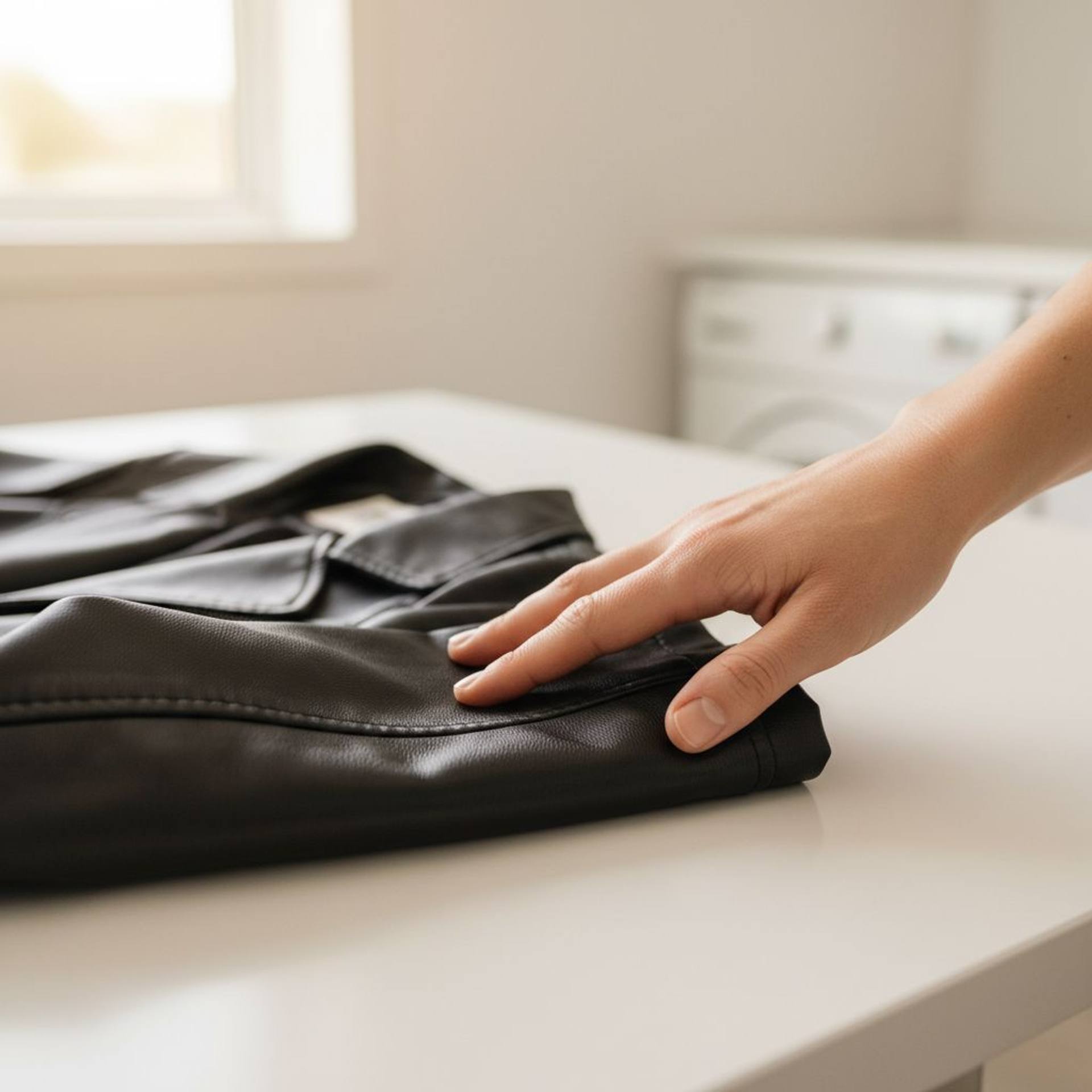
Faux leather, eco-leather, synthetic leather, pleather: these are all names for the same material. It is a fabric or composite that imitates the look and texture of natural leather, constructed on the basis of synthetic polymers applied to a fabric or knit substrate. The older trade name for the same type of material, especially in the PVC-based version, is simply pleather.
Standards clarify this naming confusion better than shop labels. According to PN-EN ISO 15987 and Regulation (EC) No 1007/2011, the manufacturer should specify the composition of the substrate directly, for example "100% polyester, PU coating", rather than using the word "leather" without genuine collagen.
One honest caveat is worth remembering right away: the name "eco-friendly" refers to the absence of animal origin, not to a smaller environmental footprint. Most variants of faux leather are neither more biodegradable nor easier to recycle than natural leather. This distinction matters later in this article when we compare faux leather to genuine leather.
Types of faux leather
PU, PVC, microfiber and bio-materials: how they differ
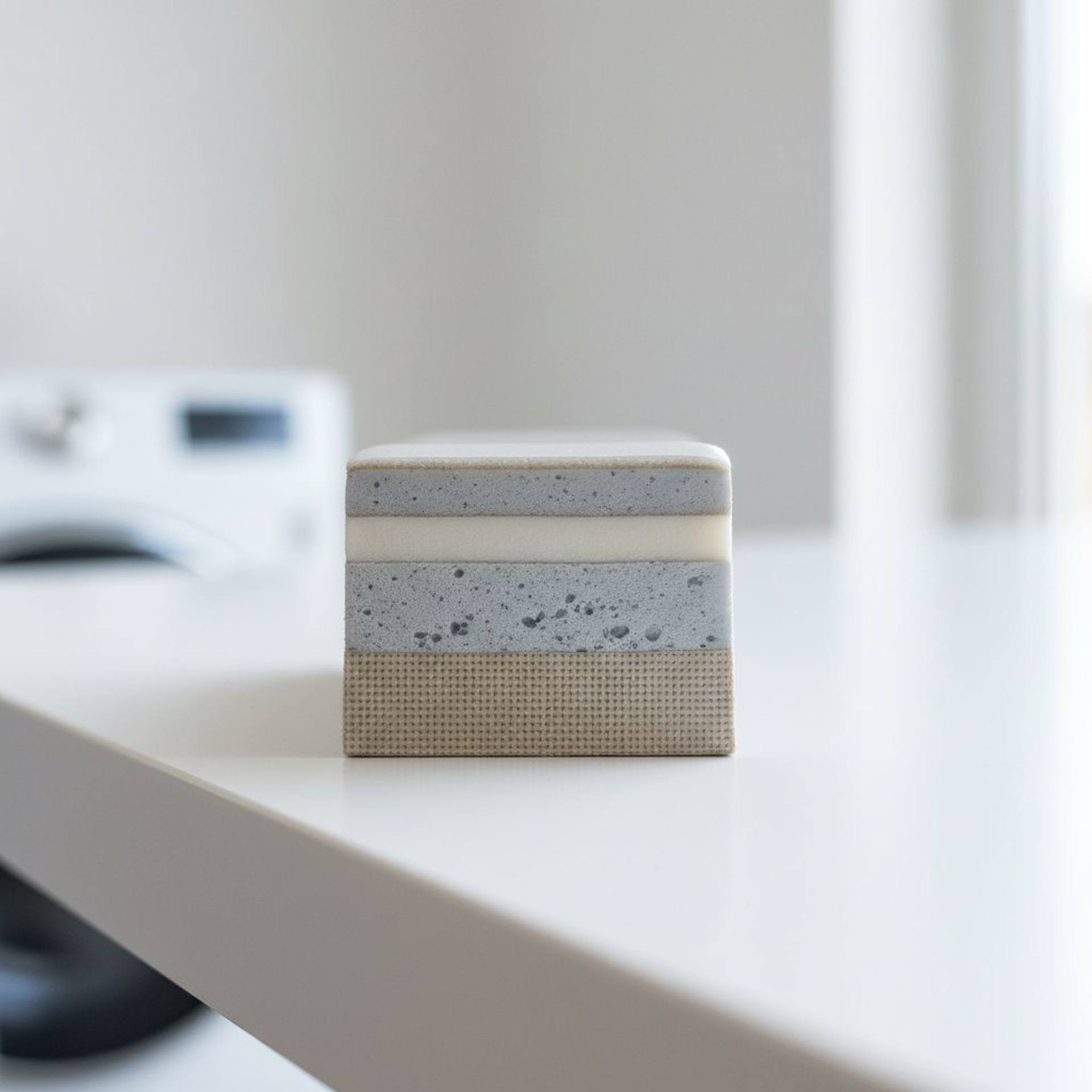
Regardless of trade name, every faux leather is a multi-layer construction. At the bottom lies a substrate fabric or knit, most often polyester or cotton. On top of it sits a foamed or binding layer that gives the material thickness and softness. Above it sits a top layer responsible for texture and color. On the very top there may be an optional finish layer: lacquer, polyurethane top-coat or wax.
Abrasion resistance is measured using the Martindale method according to PN-EN ISO 12947. For comparison: natural aniline leather typically achieves 50,000 to over 100,000 cycles without scuffing. This is a number to keep in mind when reviewing each type of faux leather described below.
Classic industrial varieties
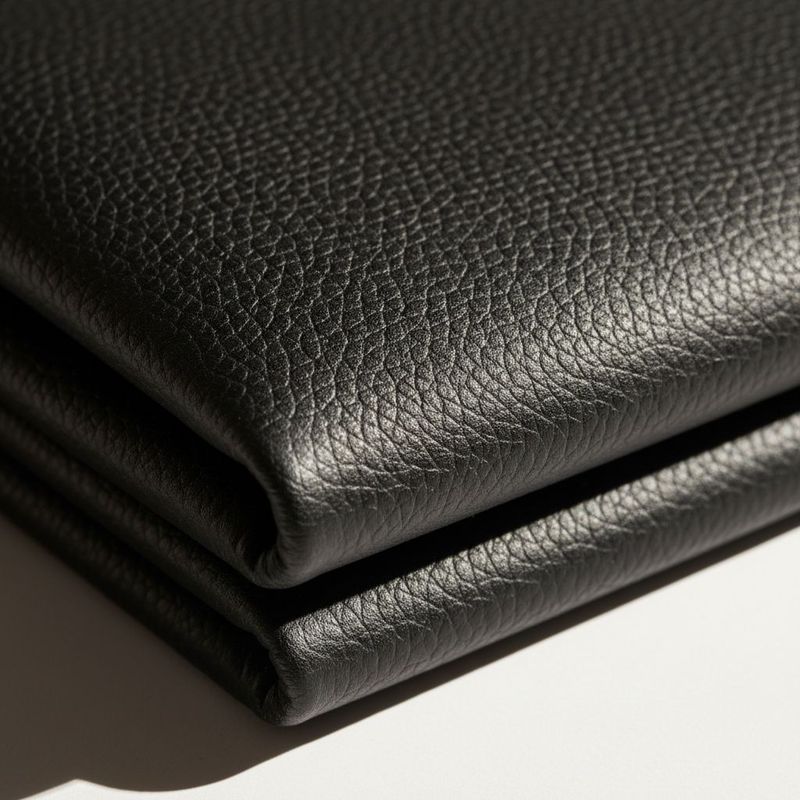
PU (polyurethane) on knit
PU 100%, solid or microporous
The most widespread variety of faux leather. Elastic, pleasant to the touch, but over time susceptible to hydrolysis, a reaction with atmospheric moisture. This is what causes the typical "PU rot" after a few years of use.
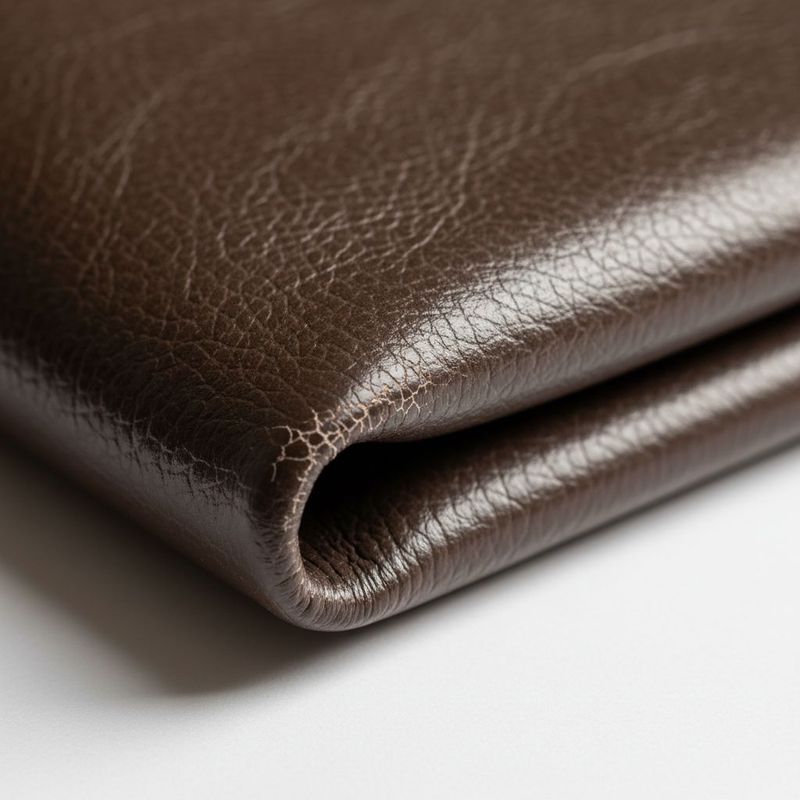
PVC (polyvinyl chloride)
plasticized layer
Contains 25-45% by weight of plasticizers, which over time migrate to the surface and surroundings. The effect is a "sticky" surface and an odor reminiscent of a new car interior, and with 10-15% loss of plasticizer: cracking in a grid pattern.
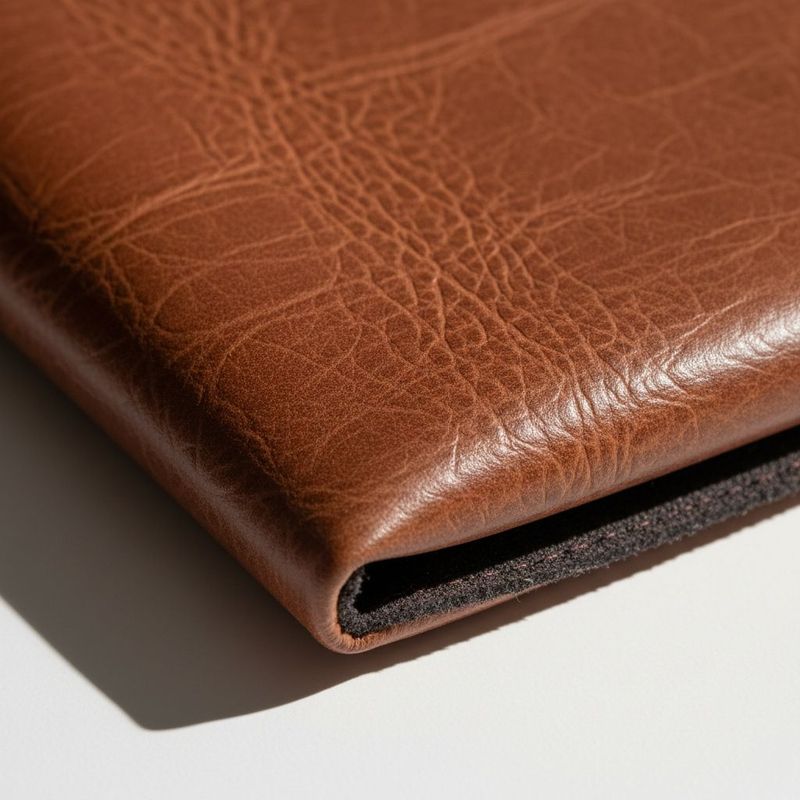
Microfiber PU
microfiber leather, PU on polyester microfiber
The most durable of the classic industrial variants. Dense polyester microfiber as a substrate provides abrasion resistance comparable to solid natural leather, while maintaining a lower price and vegan origin.
The market for alternative materials, partially or wholly based on plant-derived raw materials, has developed dynamically since around 2018-2021. This means that data on their long-term durability, beyond 5-7 years of use, are still limited. By comparison, conventional PU and PVC have been tested for decades.
New materials and their limitations
The practical consequence is simple: these materials should be treated more carefully than proven PU or PVC. Lower temperatures for washing and drying, shorter contact with water, and mandatory testing on an inconspicuous area before using any cleaning agent is a reasonable standard of care. It is worth applying until individual manufacturers' formulations stabilize.
Newer bio-based materials
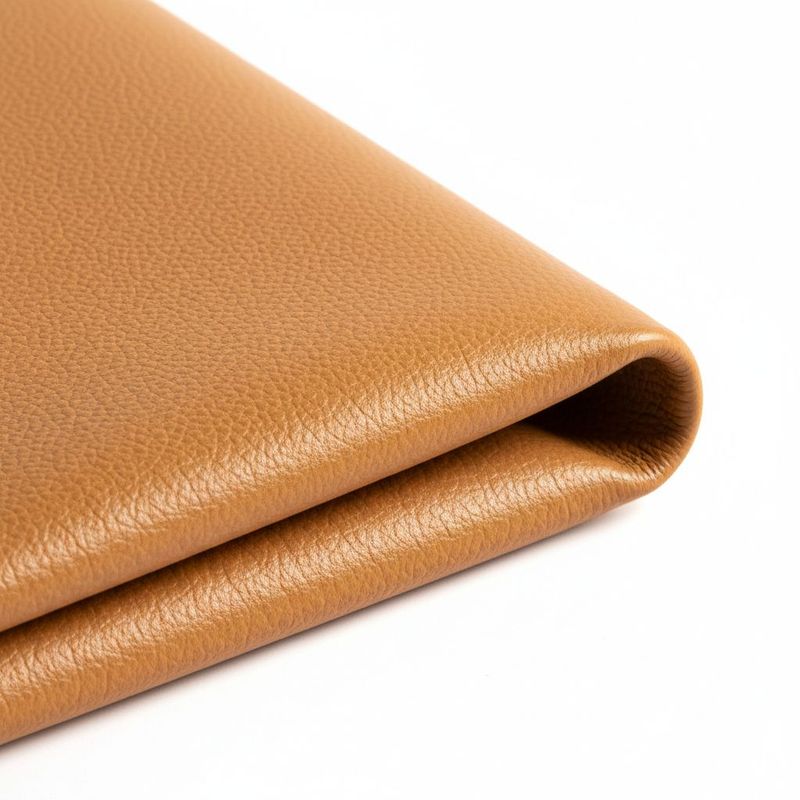
Bio-PU (castor, corn)
PU partially from plant oils
Part of the polyurethane precursors are replaced with castor or corn oil, typically 10-70% by weight of the polymer. Plant-based origin of the raw material does not eliminate, however, susceptibility to moisture and heat: the mechanism of degradation remains analogous to conventional PU.
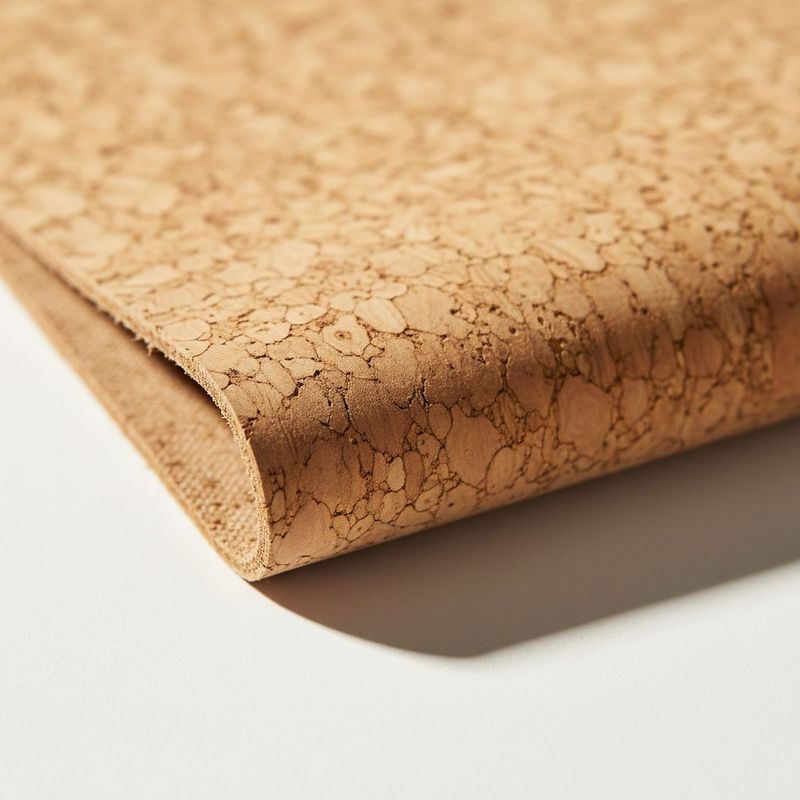
Cork leather
cork leather, cork veneer on cotton fabric
Thin cork veneer glued to cotton fabric. Lightweight, natural to the touch and water-resistant thanks to cork's natural structure, but less mechanically resistant than conventional PU or PVC.
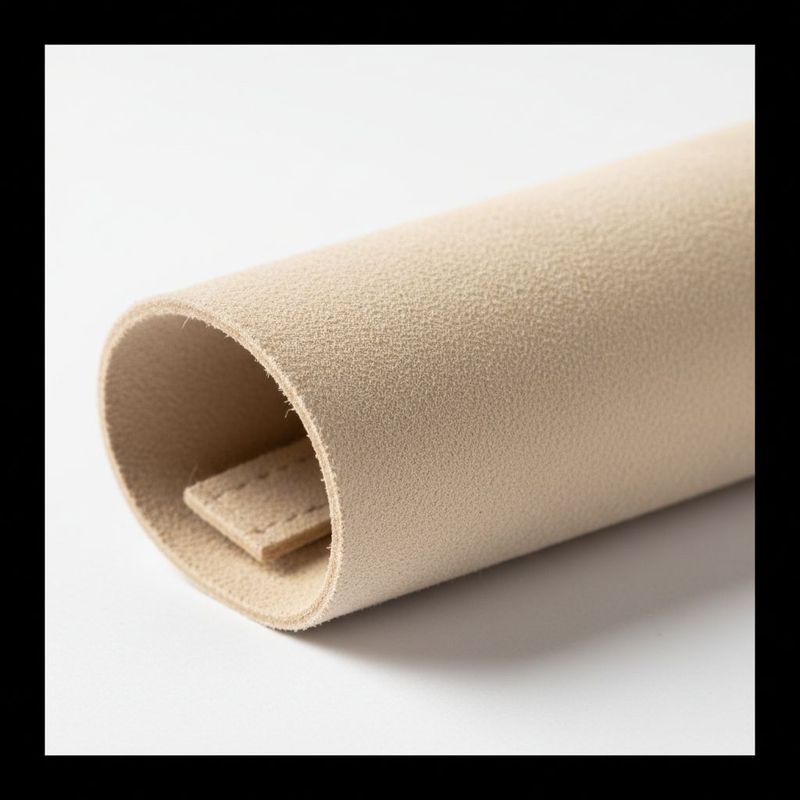
Mushroom leather (mycelium)
Mylo, Reishi: mycelium plus bio-PU binder
A layer of mycelium hardened with bio-PU binder. Manufacturers claim abrasion resistance similar to traditional PU, but independent, long-term tests under apparel conditions, rather than just laboratory conditions, are still limited publicly.
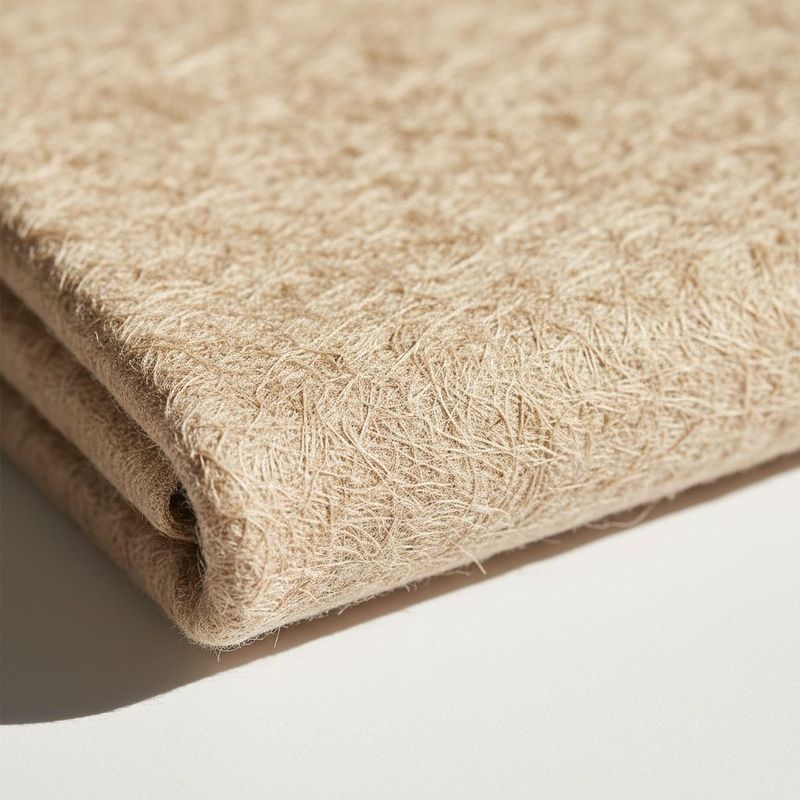
Pinatex
pineapple leaf fibers plus PLA/bio-PU resin
The only bio-material in this lineup with a public manufacturer technical sheet (Ananas Anam) confirming real Martindale test results per ISO 12947-2/4:2020. Requires more careful handling with water: excess moisture weakens the bonds between cellulose fibers.
At the end of this section, one chemical difference worth returning to throughout the rest of this article. PVC contains plasticizers, phthalates or their phthalate-free alternatives DINCH and DOTP, in amounts of 25-45% by weight of the layer. Over time, they migrate to the surface, giving a "sticky" effect and characteristic new car smell.
PU works differently. It is an elastomer without plasticizers in the classical sense, but susceptible to hydrolysis, a reaction with atmospheric moisture that breaks down urethane bonds. Effect: first stickiness, then peeling of the top layer, known in the industry as "PU rot". The process is accelerated by UV radiation and elevated temperature. This distinction, PVC and migrating plasticizer versus PU and progressive hydrolysis, will return in the section on cracking and yellowing.
Is faux leather safe?
DMF, phthalates and OEKO-TEX certificate on the label
The chemical safety of faux leather depends mostly on production quality. Cheaper materials made by the 'wet process' can contain residual DMF solvent (reprotoxic) and volatile VOCs that cause a sharp chemical smell. When buying, look for an OEKO-TEX Standard 100 label or a 'DMF-free' declaration, and air out new items first. Contact skin irritation is usually caused by additives, not the polymer itself.
OEKO-TEX Standard 100
Confidence in Textiles
A chemical safety certificate independent of raw material origin. Tests over 100 substances potentially harmful to health, regardless of whether the material is natural, synthetic, or bio-based.
- Unified DMF limit: 500-1000 mg/kg for all product classes I-IV
- Four product classes based on intensity of skin contact, from baby clothing (class I) to products without skin contact (class IV)
- Certificate valid for 12 months, with a unique number that can be verified online
There is no single answer to which is better, faux or real leather, because it all depends on your priorities. Faux leather wins on price, availability and ethics, while real leather wins on longevity and genuine repairability. You tell them apart by the back (real leather has a suede, fibrous backing, faux a smooth textile one), by smell, and by how even the pore pattern is. Faux leather has a perfectly repeating embossed pattern that real leather never has.
We cover each aspect of faux leather care separately, in short guides, so you reach a specific answer faster instead of scrolling through one long text. Below is the whole series:
- How to wash faux leather
- Everyday faux leather care
- Why faux leather cracks and peels
- Faux leather stains and odor
- Faux leather jackets and pants
- When to take faux leather to a laundry

Now you know the theory. Practice can be less forgiving.
If you would rather not risk your favourite piece, leave it to the specialists at Gorące Żelazko laundry in Lublin.


About the author
Małgorzata Małecka
Owner of the Gorące Żelazko laundry
Małgorzata Małecka runs the Gorące Żelazko laundry in Lublin. Together with her team, she makes sure customers' clothes, shoes and fabrics come back clean and in the best possible condition.