Linen, cotton, or hemp
Parameter comparison: wrinkling, durability, ironing temperature, and care

Linen, cotton, and hemp are three natural fibers you typically reach for in similar situations: looking for something breathable for summer or durable bedding. They differ most in wrinkling, durability, and required care, not just breathability, which is high in all three.
In this comparison you will find hard technical parameters side by side, an explanation of where the differences in wrinkling and durability come from, and practical tips for washing and ironing each fabric. At the end we cover when linen is worth choosing despite its demanding care, and when cotton or hemp is the better choice.
Where the differences come from: fiber structure
stem, seed, and microfibril angle decide wrinkling and durability
Linen and hemp are bast fibers, drawn from the plant stem, where long strands of cellulose are arranged almost parallel to the fiber axis. This arrangement of microfibrils gives very high tensile strength, but also stiffness: the fiber stretches poorly and returns poorly to shape after bending, which is why both materials wrinkle more than cotton.
Cotton is a seed fiber, shorter and spirally twisted, which gives it natural elasticity and softness, but at the cost of tensile strength. That same twist means creases in cotton straighten out more easily, so the fabric wrinkles less and returns to a smooth state faster after washing. Hemp sits in between: the fiber is nearly as strong as linen, but slightly thicker and less uniform, which makes it wrinkle noticeably less than linen, though still more than cotton.
Linen, cotton, and hemp: technical parameters side by side
Linen: highest. Cotton and hemp: high
Linen and hemp: very high. Cotton: moderate
Linen: very high. Hemp: high, lower than linen. Cotton: moderate
Linen and hemp: 200-220 degrees Celsius. Cotton: 150-160 degrees Celsius
Linen: 4-10 percent. Cotton: typically 4-8 percent. Hemp: moderate to high
Linen: low, no irrigation in European climate. Hemp: very low. Cotton: high
Washing and ironing: differences in everyday care
a different water and iron temperature for each of the three fabrics
Washing and ironing temperatures in practice
The table below shows what washing and ironing temperature you can use for each of the three fabrics, without risking scorching or excessive shrinkage.
Linen: wash at 30-40 degrees Celsius, iron at 200-220 degrees Celsius while damp
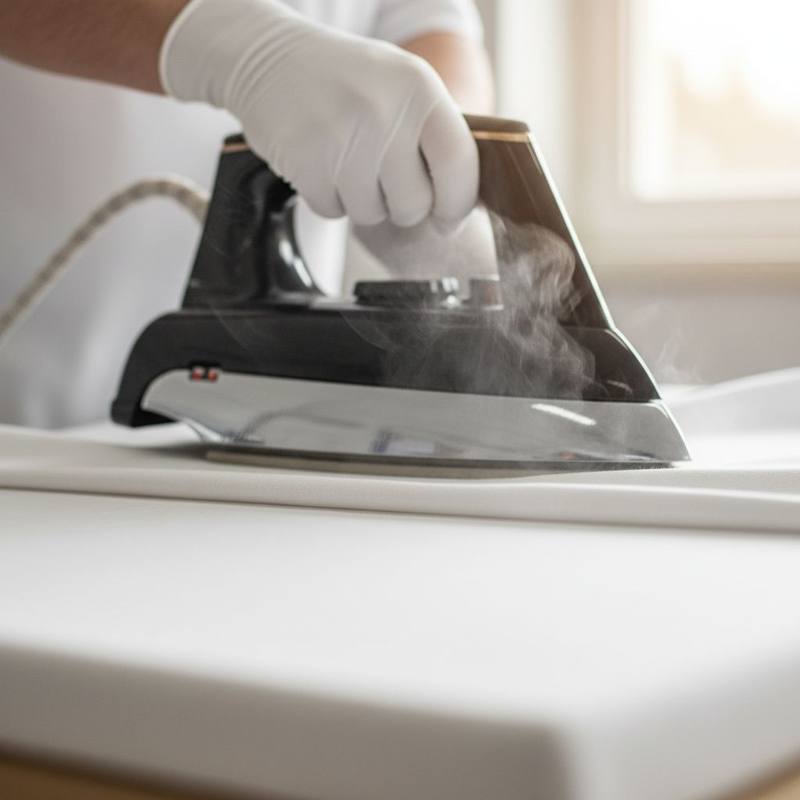
Linen washes best at a lower temperature, to limit shrinkage that can reach as much as 10 percent. Iron it while the fabric is still slightly damp: high heat and steam smooth out creases faster than dry ironing.
Cotton: wash at 30-60 degrees Celsius depending on color, iron at 150-160 degrees Celsius
Wash colored cotton at a lower temperature to protect the dye, while white bedding and towels can go higher for better disinfection. A lower ironing temperature than linen is enough, because the fiber wrinkles less.
Hemp: wash at 30-40 degrees Celsius, iron at 200-220 degrees Celsius
Like linen, hemp responds best to gentle washing and ironing at high heat while damp. The fiber gets softer with each subsequent wash over time, which is a normal trait of this fabric, not a sign of wear.
Linen, cotton, or hemp: which to choose for what
three fabrics, three different care and usage priorities
Three fibers side by side
Linen
Linum usitatissimum
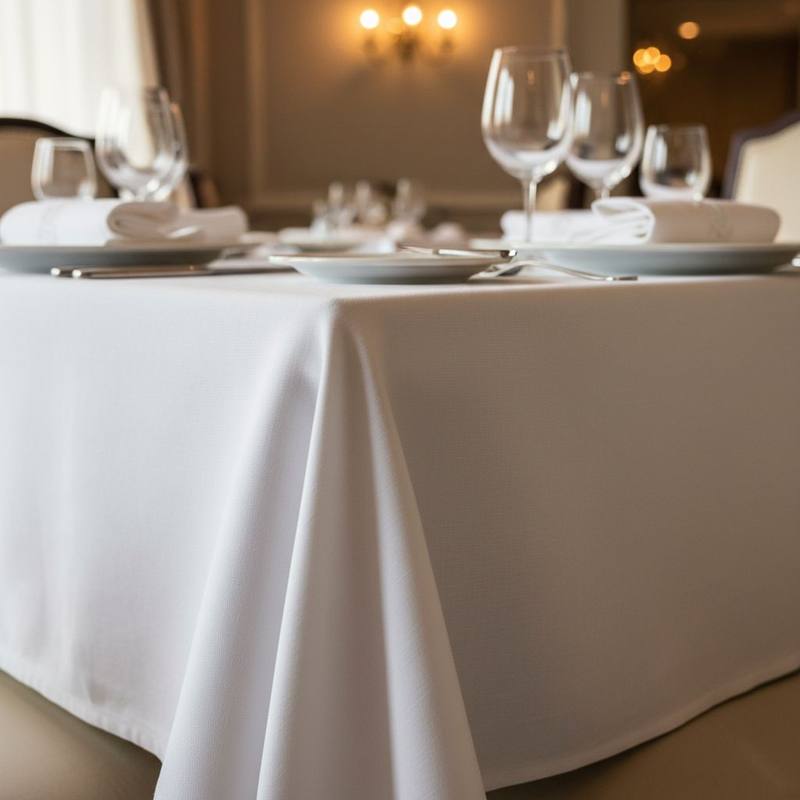
Linen works best where maximum breathability and an elegant texture matter most, for example in bedding, tablecloths, and summer clothing. It does require regular ironing while damp, but rewards proper care with durability measured in decades.
Cotton
Gossypium
Cotton is the choice for people who want high breathability without daily ironing while damp. It wrinkles and shrinks less than linen, at the cost of lower tensile strength and shorter lifespan under heavy use.
Hemp
Cannabis sativa
Hemp combines durability close to linen with somewhat less wrinkling and the lowest water demand in cultivation among the three. It is a good choice when durability and an environmentally friendly origin of the fabric matter, and you can manage care similar to linen.
Linen deserves choice despite wrinkling when breathability, elegant texture, and decades-long durability with proper care are priorities. Wrinkling then becomes the price for these features, not a disqualifying flaw. If linen's breathability appeals but wrinkling deters you, the half-linen described in the types section is a proven compromise, not a choice between linen and cotton.
Caring for linen, cotton, and hemp at a glance
Do
- Check the care label and wash each fabric at its recommended temperature
- Iron linen and hemp while damp, at high heat, ideally with steam
- Dry cotton and hemp at a lower temperature than recommended for ironing, to limit shrinkage
- Choose linen and hemp without anti-wrinkle finishes if you want the natural texture
Don't
- Do not iron linen or hemp with a dry iron sole without steam, since creases are harder to smooth out
- Do not tumble dry linen at high heat, since it speeds up shrinkage and weakens the fiber
- Do not wash linen or hemp in the same load as heavy, highly water-absorbent clothing, since it extends drying time and encourages creasing
When to hand a fabric to a laundry instead of washing it yourself
If linen, cotton, or hemp are meant for an important occasion, for example a tablecloth for a party or a linen jacket for a wedding, and at home you cannot iron a large surface while damp at high heat, handing the fabric to a professional laundry limits the risk of scorching and uneven creases. The same applies to fabrics with visible stains, since too high a washing temperature can set them instead of removing them.

Now you know the theory. Practice can be less forgiving.
If you would rather not risk your favourite piece, leave it to the specialists at Gorące Żelazko laundry in Lublin.


Frequently asked questions
Pure linen is stiffer, has more pronounced sheen, and wrinkles much more, but lasts for decades. Half-linen, usually 45 to 55 percent linen with cotton, is softer and less prone to wrinkling at the cost of some linen character.
Cotton wrinkles less and is easier for daily care. Linen has higher breathability, thermal conductivity, and tensile strength, but wrinkles much more and shrinks more (4 to 10 percent versus cotton's 4 to 8 percent). Choose based on whether comfort of care or thermal comfort and durability are the priority.
Natural, undyed and unfinished linen has a very low allergenic potential and is dermatologically recommended for atopic and sensitive skin, and for infants. Choose linen without anti-wrinkle finishes and check for OEKO-TEX Standard 100 certification.
Yes, hemp is washed and ironed almost identically to linen: gentle washing at 30 to 40 degrees Celsius and ironing while damp at 200 to 220 degrees Celsius. The difference is in wrinkling: hemp wrinkles noticeably less than pure linen, though still more than cotton.
All three have high breathability, but linen has the highest and wicks moisture away from the skin fastest, which makes it the coolest choice in summer. Cotton is a comfortable compromise for people who do not want to worry about wrinkling, and hemp is a middle option: almost as breathable as linen, but somewhat easier to care for.
About the author
Małgorzata Małecka
Owner of the Gorące Żelazko laundry
Małgorzata Małecka runs the Gorące Żelazko laundry in Lublin. Together with her team, she makes sure customers' clothes, shoes and fabrics come back clean and in the best possible condition.