How to Safely Remove Stains from Children's Bedding
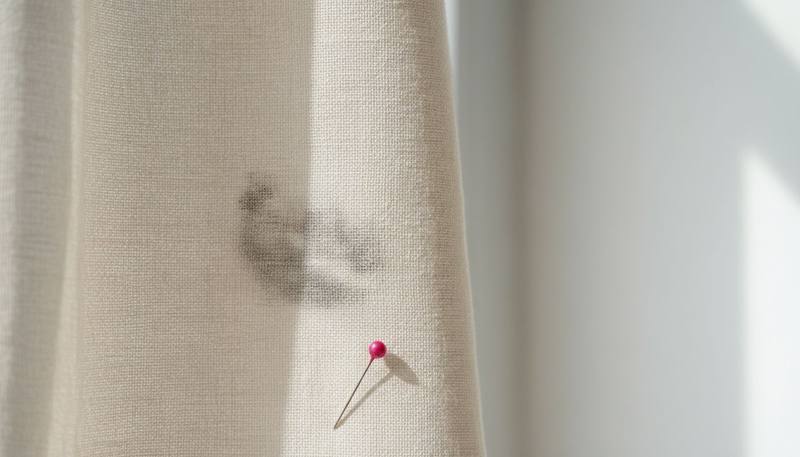
Neatly folded, bright cotton children's bedding in natural light

You look at the stain on your child's bedding and feel two fears at once. That it won't come out. And that whatever removes it will irritate their delicate skin.
Children's bedding has the tightest margin for error of any fabric in the home: direct contact with a baby's skin, plus organic soiling, milk, saliva, urine, faeces, vomit.
Good news: you don't have to choose between effectiveness and safety. There's one protocol that does both. It starts with cold water.
- 1
Remove excess mechanically
Scrape away loose matter with a spoon or cloth edge. Don't rub, because rubbing pushes the stain deeper into the fibre.
- 2
Rinse in cold water
Immediately, preferably below 30°C. Hot water at the start is the most common mistake we see.
- 3
Soak in enzymes
Protein stains like milk, vomit, blood, faeces, saliva need an enzymatic cleaner. Fifteen minutes to half an hour, depending on how soiled it is.
- 4
Wash properly now
At the right temperature for the fabric. And no dryer before the stain is gone: heat sets protein for good.
Children's stains fall into two groups. Protein: milk, vomit, urine, faeces, blood, saliva. And colour: fruit, juice, grass.
Protein starts to set around 40°C, and above 60°C it sets rapidly. Set protein embeds deeper in the fibre structure and becomes harder to dissolve. That's why cold water at the start isn't fussy. It's the only way a protein stain will come out at all.
Colour stains work by different logic: grass and fruit need a fat solvent or active oxygen, not cold.
In short
Do
- Rinse in cold water right after soiling
- Remove excess mechanically, without rubbing
- Test every cleaner, hydrogen peroxide, isopropyl alcohol on a hidden spot first
- Wash bedding after contact with faeces or vomit as quickly as possible
Don't
- Don't tumble-dry soiled bedding before stain removal
- Don't rub fresh stains
- Don't put off washing soiled bedding
- Don't mix bleach blindly with other cleaners
Hot water and baby skin
Temperature balance: kills germs without irritating fabric
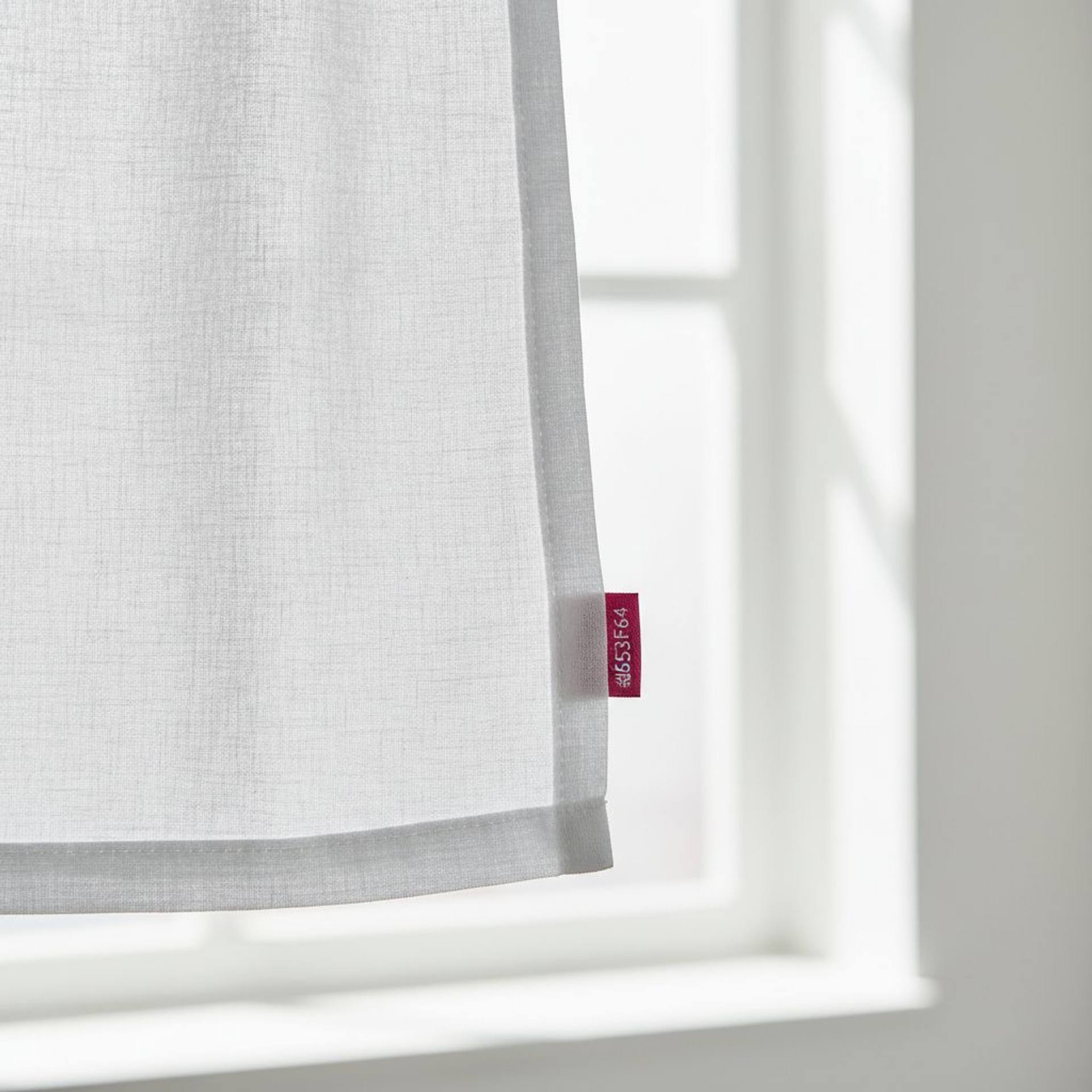
An infant's skin has a thinner epidermis and higher permeability than adult skin. Detergent residue, fabric softener, or bleach left in fabric can irritate it.
That's why double rinsing is worth building into your routine with baby bedding. It costs nothing.
Softener is best avoided on terry cloth: it builds up on the fibres, reduces absorbency, and for atopic skin can be another irritant. Chlorine bleach disinfects well, but professional laundries more often reach for heat disinfection or active oxygen.
At least 60°C is often cited as good hygiene practice, though there's no formal standard for every fabric. Not every textile can take it, so check the care label symbols, which follow ISO 3758.
Shopping checklist
Choose hypoallergenic products with no dyes or fragrance compounds for anything touching your baby's skin. And double rinse. That's the whole secret.
When to take bedding to a laundry
What an industrial washer does that your home machine can't
Home methods have limits. Once a stain dries and goes through a dryer, the fight at home usually ends in defeat.
The same applies to duvets and pillows with down fill for infants, stubborn paint or crayon marks, and suspected mould after prolonged damp storage.
A professional laundry has the edge: stronger but controlled enzymatic cleaners and heat cycles you can't replicate at home.

Now you know the theory. Practice can be less forgiving.
If you would rather not risk your favourite piece, leave it to the specialists at Gorące Żelazko laundry in Lublin.


Frequently asked questions
At least 60°C is often good hygiene practice, but there's no formal standard for every fabric. Check the care label: the care symbols following ISO 3758 tell you what temperature the fabric can take.
3 per cent hydrogen peroxide works on blood but bleaches slightly. Always test it first on a hidden spot and use only on white or bleach-resistant fabrics.
Most often it's undissolved detergent or a protein stain washed in water that was too hot before thorough rinsing. The smell gets trapped in the fabric with the protein residue.
Take it to a laundry when the stain has dried and been through a dryer. Same for bedding with down fill and cases where you suspect mould from damp storage. Professional disinfection by heat, also useful when your home machine can't reach the right temperature.
About the author
Małgorzata Małecka
Owner of the Gorące Żelazko laundry
Małgorzata Małecka runs the Gorące Żelazko laundry in Lublin. Together with her team, she makes sure customers' clothes, shoes and fabrics come back clean and in the best possible condition.