Hair dye stains: why they're hard to remove
Hair dye is designed to bind permanently with hair. Find out why this same mechanism works on cotton, linen, and wool.

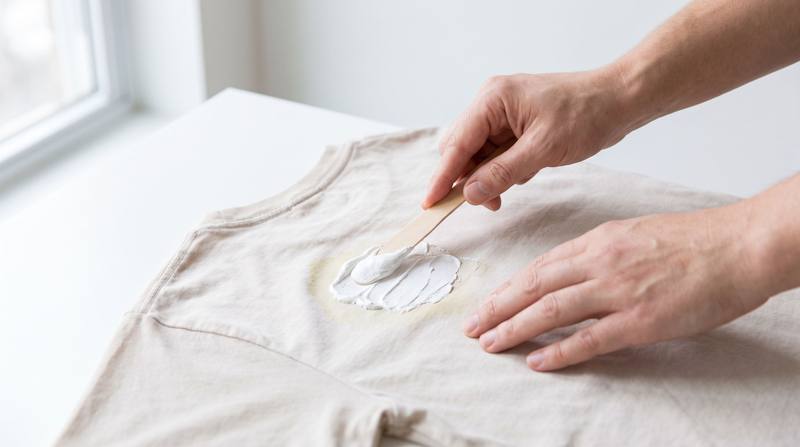
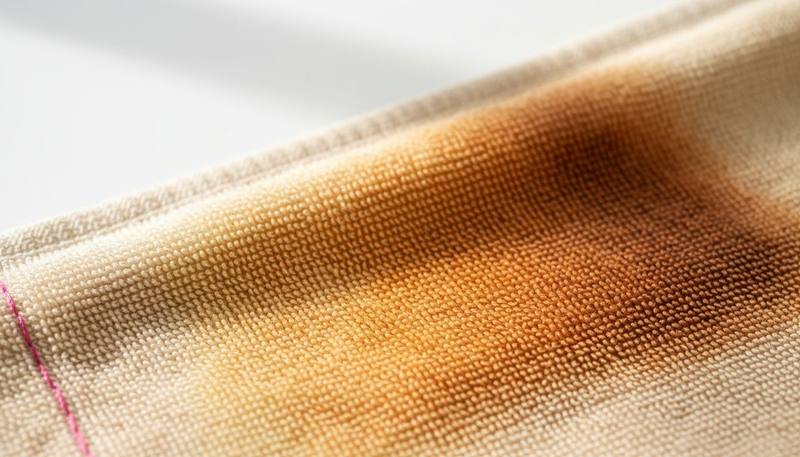
A hair dye stain is not the same as greasy dinner residue or fruit juice. Standard tricks that work on typical household stains often fail here, and it is not because you did something wrong.
Hair dye is designed to bind permanently with hair keratin. The problem is that this same chemical mechanism also works on cotton, linen, or wool if the dye soaks in.
Below we explain why this stain holds so tightly, what safe first steps are immediately after staining, and when it is worth stopping trying on your own and bringing the item to a professional laundry.
Most permanent dyes and some semi-permanent dyes are oxidative dyes. This is a two-part system: a dye base (a precursor, such as PPD) and an oxidizer, usually a hydrogen peroxide solution.
The key difference from ordinary dirt is that the dye is not applied to the fabric as a finished pigment. It forms right there, in a chemical reaction. The process happens in three stages. First, oxidation of the precursor, then coupling with a so-called coupler (for example, resorcinol) to form an indigo dye. Finally, polymerization occurs, which traps the dye molecules already formed within the fiber structure.
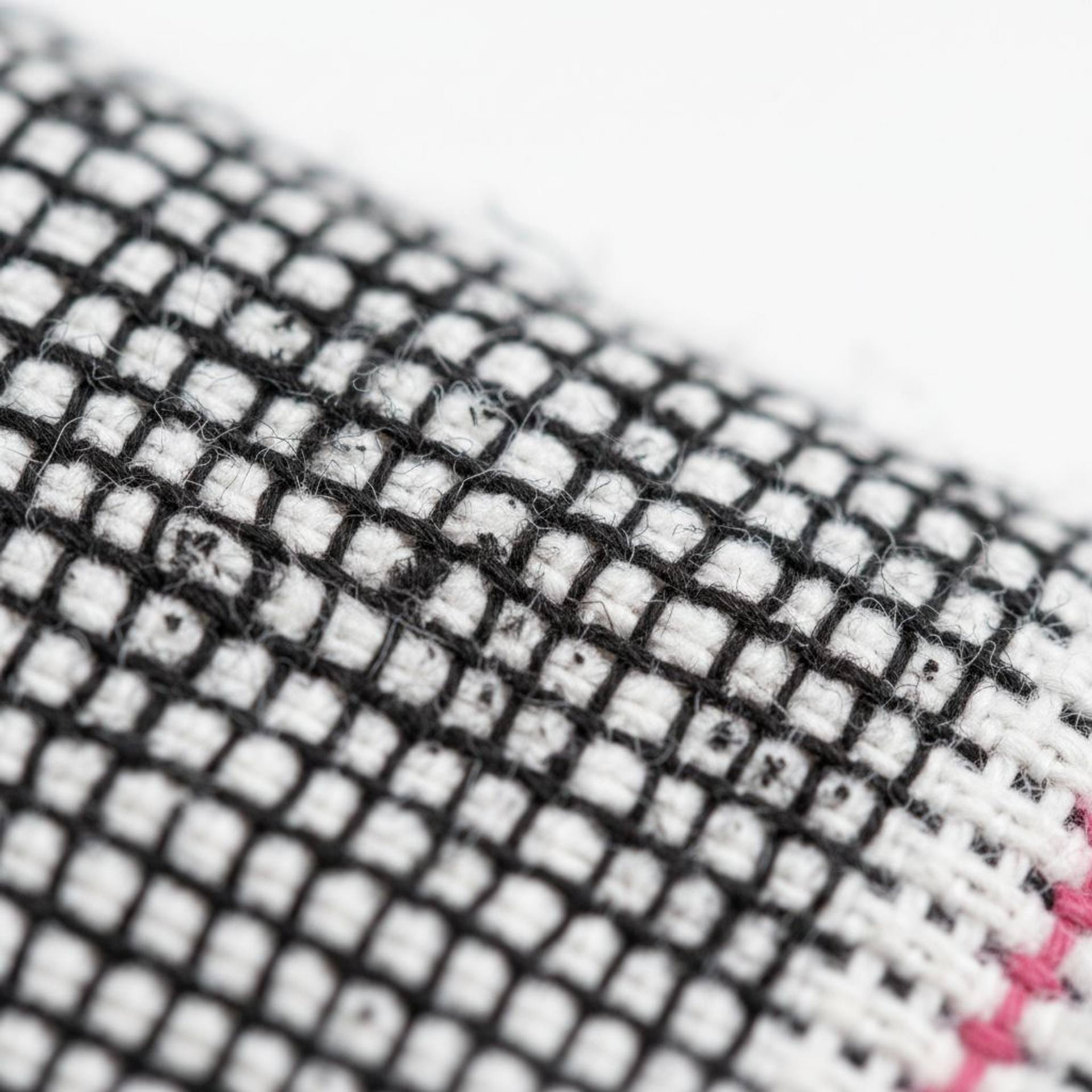
According to one industry source, complete dye binding ends within about 20 to 30 minutes of contact with the oxidizer. The figure is approximate and requires confirmation. Once this process is complete, the dye no longer dissolves in water or typical laundry solvents.
This is a fundamental difference from grease or protein stains, where standard rules (cold water for protein, hot for grease) usually work. Here, the key is mainly the time of reaction, before polymerization is complete.
First minutes after staining
Do
- Rinse the stain immediately with cold water, this makes sense only in the first few minutes
- Gently dab the stain with a clean cloth instead of rubbing it
- Test each product on an inconspicuous part of the fabric
- Use enzyme detergent and wash at low temperature
Don't
- Do not wash in warm or hot water, high temperature accelerates dye setting
- Do not rub the stain dry, mechanical rubbing drives it deeper into the fabric
- Do not mix chlorine bleach with ammonia
- Do not delay treatment, with each hour your chances decrease
Never mix bleach with ammonia
Mixing chlorine bleach (sodium hypochlorite) with ammonia releases toxic chloramine fumes. This is a real health hazard, not just a question of cleaning effectiveness. Chlorine bleach alone, applied to colored or wool fabric, additionally damages protein fiber and can change the shade of the stain instead of removing it.
Will hydrogen peroxide dissolve the dye
Permanent vs. semi-permanent dyes: a safety test before use
Direct dyes, i.e., temporary and some semi-permanent dyes, deposit pigment mechanically on the fiber surface, without a chemical reaction. These stains are relatively easier to remove.
With permanent oxidative dyes, the dye is already networked into the polymer structure. Hydrogen peroxide applied to fabric can further oxidize or bleach the fabric itself, rather than dissolving the stain.
Professional oxidative stain removers used in laundries are highly effective on fresh stains and moderately effective on set ones. However, they require matching the product to the specific type of fiber.
Always test first
Apply hydrogen peroxide or any other product first to an inconspicuous part of the fabric, for example, an inner seam. Isopropyl alcohol used locally has low to moderate effectiveness and carries the risk of bleaching colored fabric.
When home methods fail
Signs that a stain needs professional care
Several signs make it clear that it is time to bring the item to professionals. Delicate fabric, such as silk, wool or cashmere. A stain older than a few hours. Or a home attempt that has already changed the shade of the material.
Dark dye shades, black and deep brown, are sometimes noted as harder to remove. Probably due to higher concentrations of oxidative precursors, though this requires confirmation. In laundries, hair dye stains fall into the category of difficult reactive dyes, along with henna and dyes made from anthocyanin food colorings.
It is worth saying it straight: no method, home or professional, guarantees complete removal of a long-set stain. Professional systems simply give you the best chance among available options.

Now you know the theory. Practice can be less forgiving.
If you would rather not risk your favourite piece, leave it to the specialists at Gorące Żelazko laundry in Lublin.


Frequently asked questions
The chance is lower than with a fresh stain, because the dye has already had time to bond to the fiber. Professional oxidative stain removers may help somewhat, but there is no guarantee of complete removal.
According to one industry source, complete dye binding ends around 20 to 30 minutes after contact with the oxidizer. Rinsing with cold water in the first few minutes has completely different prospects than a stain noticed only after drying.
Not on colored or wool fabrics, as it damages protein fiber and can change the shade of the stain instead of removing it. Never mix it with ammonia, as toxic fumes are produced.
No one will guarantee complete removal of a long-set stain, but professional reduction systems and oxidative stain removers have significantly higher effectiveness than any other available method.
About the author
Małgorzata Małecka
Owner of the Gorące Żelazko laundry
Małgorzata Małecka runs the Gorące Żelazko laundry in Lublin. Together with her team, she makes sure customers' clothes, shoes and fabrics come back clean and in the best possible condition.