Denatured and isopropyl alcohol in stain removal
When solvent from a pharmacy safely removes a stain, and when it damages fabric instead of cleaning it.

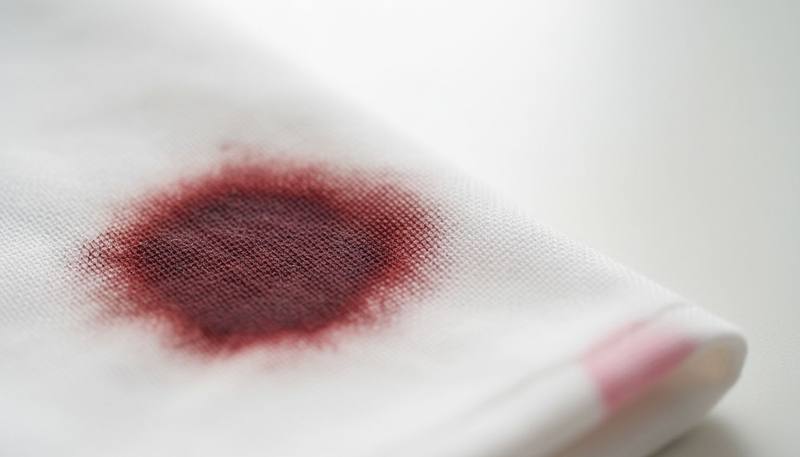
A permanent marker, ink stain, resin blob and the first instinct is to reach for denatured alcohol or isopropyl spirits from the pharmacy shelf. A second thought follows close behind: what if the fabric fades or the fibre stiffens where the alcohol touches it.
A mistake while spotting with alcohol can be irreversible in seconds, unlike damage from machine washing. Below: when the method is safe, how to test it, and where its sensible use ends.
Denatured or isopropyl
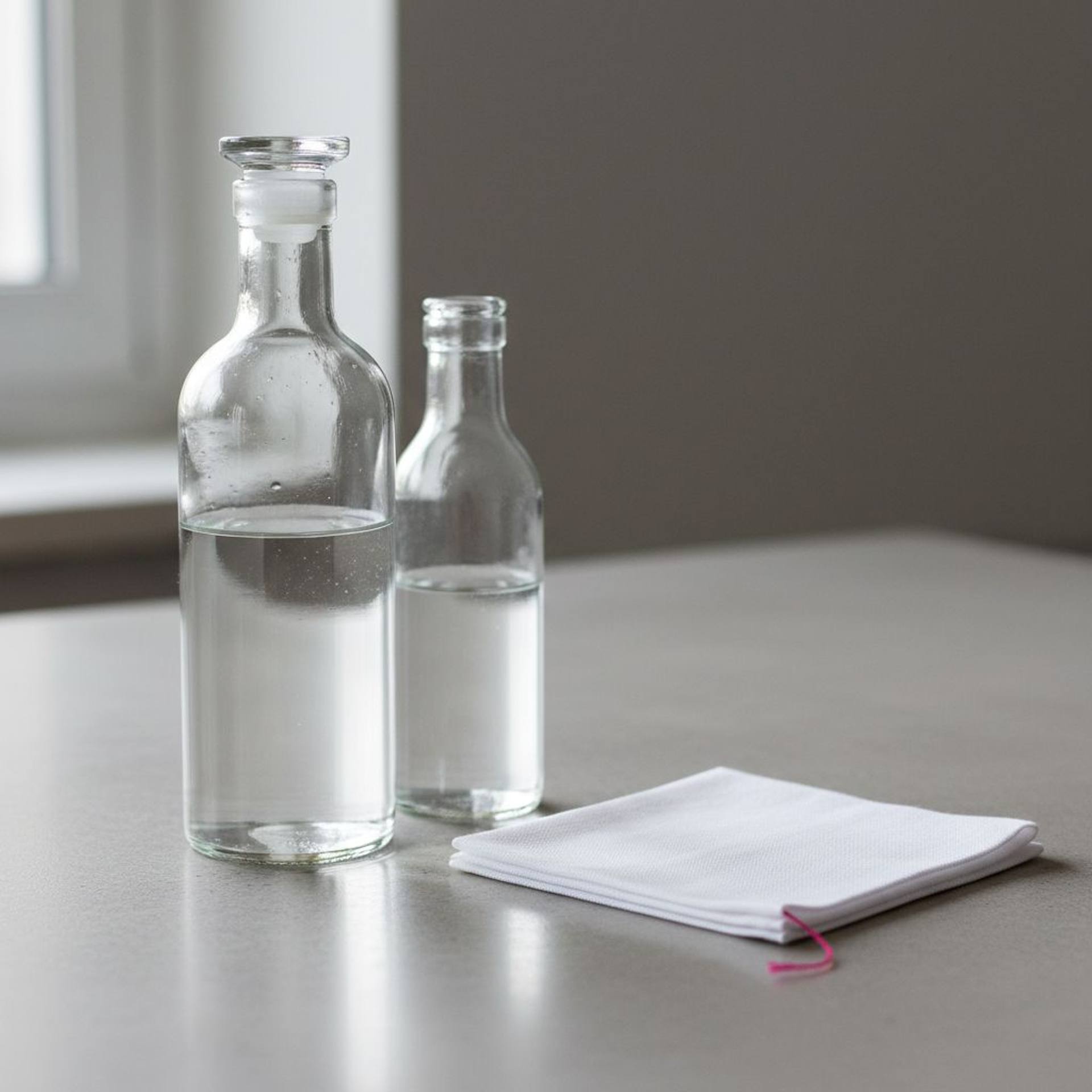
Denatured alcohol is ethanol (CAS 64-17-5) intentionally contaminated, usually with denatonium benzoate, to make it unfit for consumption. Commercially it typically contains 90-95% ethanol, with water and contaminants making up the rest.
Isopropyl alcohol, or 2-propanol (CAS 67-63-0), is an entirely different compound. You can buy it as 70% (for disinfection) or 99-100% (for technical use). For stain removal, only the concentrated version matters: isopropanol 99% or denatured alcohol 90-95%. The 70% solution is diluted for germicidal action, not cleaning, so it performs noticeably worse on grease.
Ethanol (denatured)
Isopropanol 99%
The flash point of isopropanol is around 12°C, ethanol around 13°C in a closed crucible. Both substances are highly flammable at room temperature. Never use them near open flame, an active steam iron, or a running tumble dryer. Work in a ventilated space: isopropanol vapours (H336) can cause dizziness.
Before alcohol touches a visible stain, always test it on an inconspicuous spot: a seam, inside tag, or inner cuff.
The method of application matters most. Dabbing, not soaking, determines whether a waterline forms.
- 1
Test on an inconspicuous area
Soak a cotton pad with alcohol, apply it to an unseen fabric patch for 30-60 seconds, and check the colour and texture.
- 2
Prepare a clean cloth
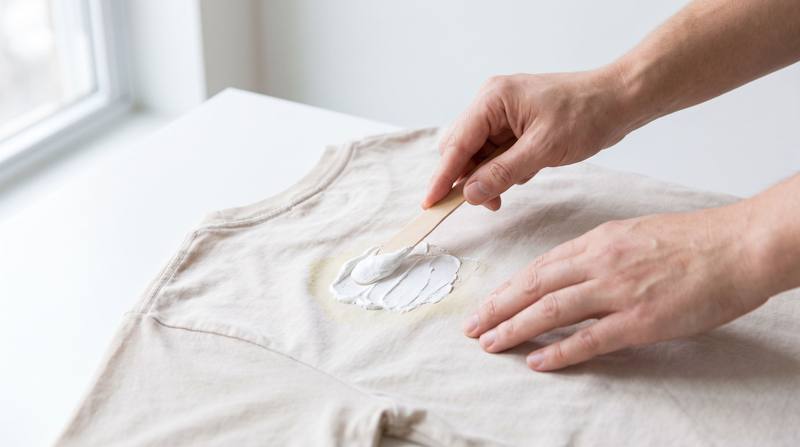
If the test shows no change, moisten a clean white cloth with alcohol. Do not pour solvent directly onto the fabric.
- 3
Dab from edge to centre
Work from the stain's edge toward its centre, switching to a clean part of the cloth every few dabs to avoid spreading the pigment further.
- 4
Chill resin stains first
For tar or chewing gum, chill the stain with an ice cube first, then dab with alcohol.
- 5
Wash the garment normally
Once the stain fades, launder the garment to remove solvent residue and odour.
This procedure works for most cases, but a few mistakes come up again and again in reader questions. Here is what to repeat and what to avoid when working with alcohol on fabric.
Do
- Always test on an inconspicuous area before using on the stain
- Dab carefully, work by an open window
- Store the bottle tightly sealed, out of children's reach
- For resin stains, chill first with ice
Don't
- Never apply alcohol to a protein stain (blood, milk) after washing in hot water: it sets the stain
- Never mix alcohol with bleach products in the same cleaning cycle
- Never soak the fabric instead of dabbing carefully
When a home solvent can damage
Do
- Cotton and linen: safe with brief contact, on dyed fabrics always test on a seam first
- Polyester: usually safe, watch for cheap prints
- Wool: only with very brief, controlled contact, alcohol dries the fibre
- Elastane: be cautious, frequent contact can stiffen or reduce elasticity
Don't
- Silk: high risk of permanent discolouration, always requires a test, and skip it if in doubt
- Cellulose acetate (acetate) and triacetate: alcohol is a solvent for these fibres, it dissolves or reshapes them
Signs to stop experimenting: deepening waterlines, dulling, stiffening fabric, or an odour that persists after washing.
A dry cleaner has dedicated spotting stations with compounds matched to stain type and fibre, with timed action and neutralization afterward. A single bottle of home alcohol cannot replicate that. Even in a dry cleaner, alcohol plays only a preliminary, dabbed role.

Now you know the theory. Practice can be less forgiving.
If you would rather not risk your favourite piece, leave it to the specialists at Gorące Żelazko laundry in Lublin.


Frequently asked questions
Yes, on solvent dyes (ballpoint pen, marker), resins, and partly on grease. It does not handle mineral pigments or starch.
With brief, spot contact on cotton or polyester after a test, usually not. High risk applies to silk and acetate fabrics.
Yes. Washing removes solvent residue and odour that alcohol alone leaves behind.
99-100%. The 70% version is diluted for disinfection, not stain removal, and performs much worse on grease.
About the author
Małgorzata Małecka
Owner of the Gorące Żelazko laundry
Małgorzata Małecka runs the Gorące Żelazko laundry in Lublin. Together with her team, she makes sure customers' clothes, shoes and fabrics come back clean and in the best possible condition.