Cashmere
A complete guide to the fabric, its properties, varieties, care and washing

What is cashmere and where does it come from
Cashmere goats, combing instead of shearing, and why the raw material is so expensive
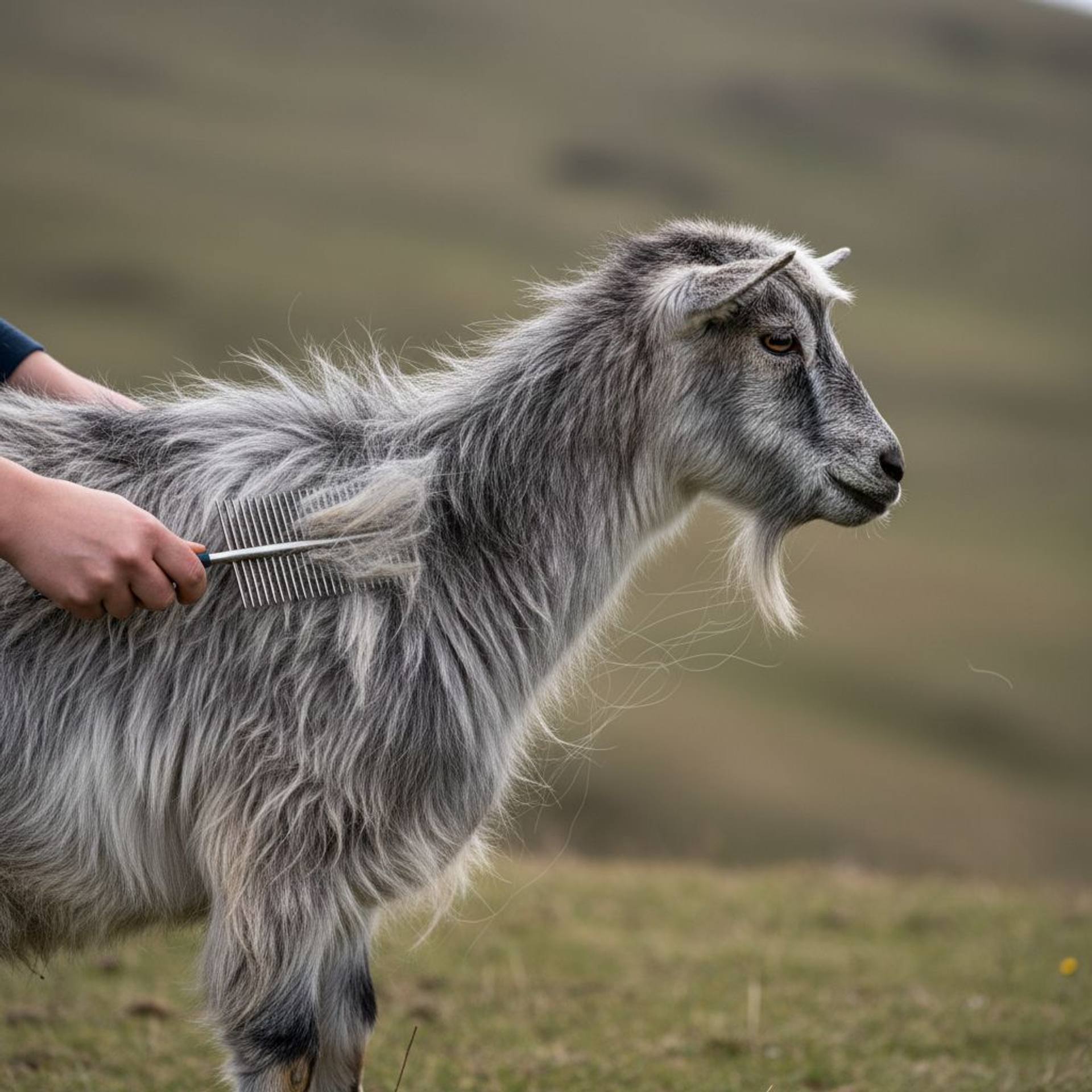
Cashmere is a natural fiber that comes from the undercoat, or soft down, that grows beneath the coarser hair of the cashmere goat (Capra hircus laniger). These animals are raised primarily in Mongolia and in the Inner Mongolia region of China. Smaller populations are also found in Iran and Afghanistan, and since the 1980s in New Zealand as well. The trade name of the fiber comes from the Kashmir valley in India and Pakistan. It was there that the craft of weaving shawls from this raw material developed between the 14th and 15th centuries.
The key difference from ordinary sheep wool begins at the stage of raw material extraction. Cashmere is not sheared like the entire fleece. The down is combed by hand or with a comb in spring, during the animal's molting season (March-April). It can also be sheared, and then separated from the coarser protective hair in a process called dehairing. This same annual biological rhythm of the goat explains why cashmere cannot be produced massively from day to day.
One cashmere goat produces only about 150 to 200 grams of clean, processed down per year on average. For comparison, a merino sheep produces 3 to 5 kilograms of wool in the same time. That is thirteen to twenty times more raw material from a single animal. It is this disproportion, not marketing, that is the main reason why cashmere is one of the most expensive natural fibers on the market.
Physical parameters of cashmere fiber
14-19 microns (µm), market standard usually 15-16 µm
25-45 mm, in comparison merino wool 60-150 mm
up to 30-35% of dry fiber weight without feeling wet on skin
about 80-85% protein in fiber structure
according to industry data noticeably higher than sheep wool at the same thickness, cited values range from about 3 to 8 times
Chinese GB/T 21030 (OFDA analyzer) and international ISO 137:2015 (projection microscopy)
Cashmere varieties: origin, weight and fiber thickness
Mongolian, Chinese and pashmina from the Kashmir valley: what distinguishes 1-ply and 4-ply knits
When you read a sweater or shawl label, it is worth separating two completely independent axes of classification. The first is the geographic origin of the goat, that is, the region where the animal was raised and where its down was combed. The second is yarn construction and knit, that is, the way the fiber was spun, twisted and woven or knitted. A sweater can be both Mongolian cashmere and a 2-ply knit at the same time: these are two different pieces of information, not variants of the same feature.
Certification of origin and fiber purity is based mainly on DNA microscopy and analysis of cuticle scales. This method allows cashmere to be distinguished from yak hair, camel hair, or angora rabbit hair. There is no single, universal global standard in this regard. The market uses industry standards, the most widely recognized of which is the American CCMI (The Cashmere and Camel Hair Manufacturers Institute).
Cashmere by origin
Mongolian cashmere
Gobi region, Outer Mongolia
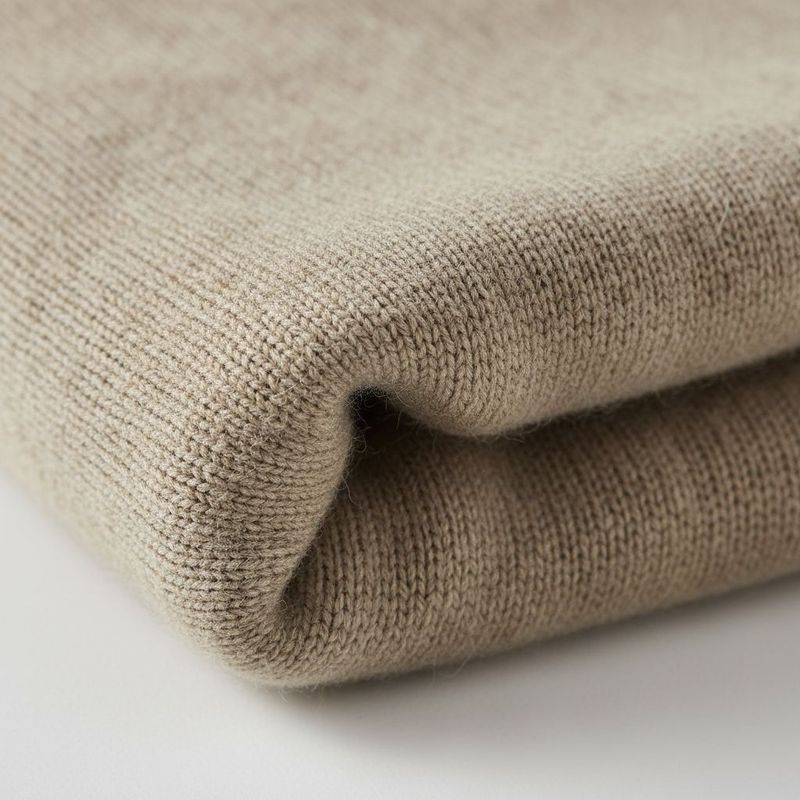
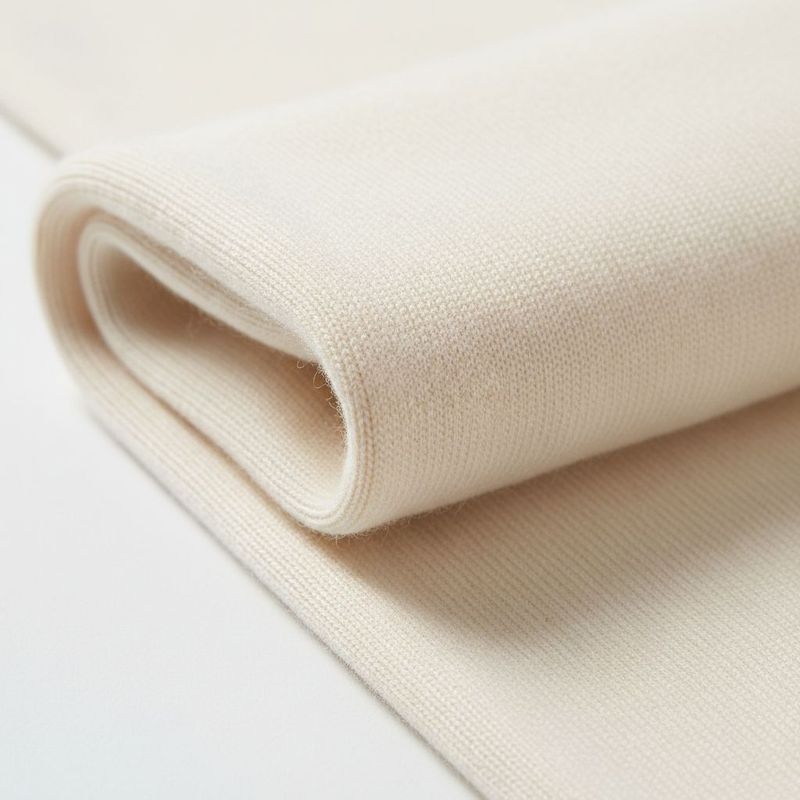
The harsh climate of the Gobi region causes goats to produce thicker, more durable undercoat than their cousins from warmer regions. Mongolian cashmere is considered one of the most mechanically durable, making it a good choice for everyday sweaters rather than occasional wear.
Chinese cashmere
Inner Mongolia, Alashan, Ningxia
The Alashan and Ningxia regions in Inner Mongolia together account for approximately 70-80% of global cashmere supply. This is the largest volume on the market, so you will find it in products with a very wide price range, from mass-market to exclusive designer collections.
Iranian and Afghan cashmere
Lower quality control of raw material
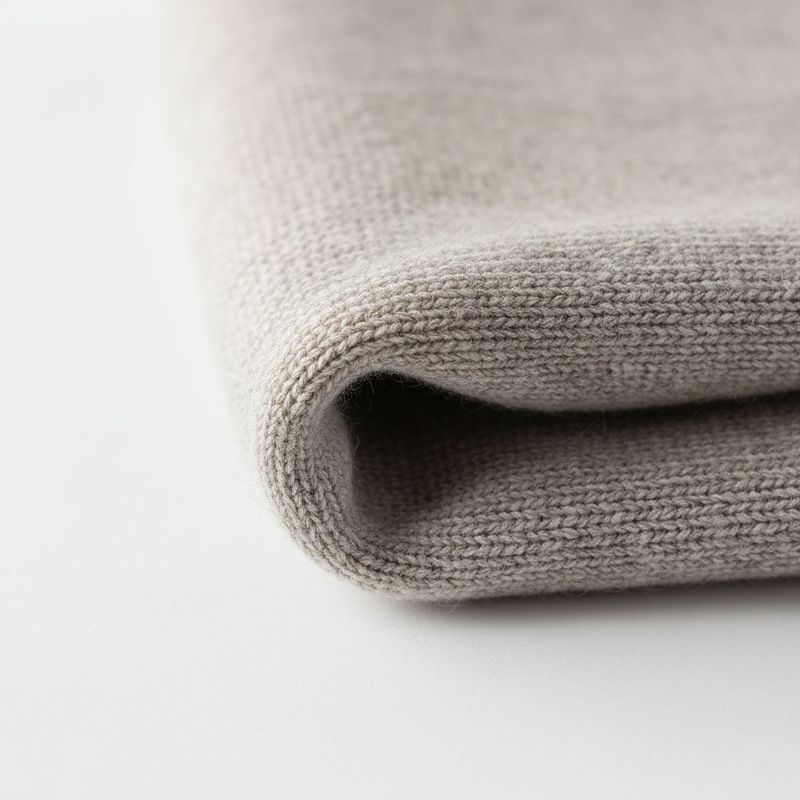
Cashmere from Iran and Afghanistan usually has lower, less uniform fiber quality and often reaches the market in blends with other fibers rather than as a pure product. This does not mean it is worthless, but when buying, it is worth paying special attention to the composition label.
Pashmina from the Kashmir valley
India and Pakistan, hand-woven
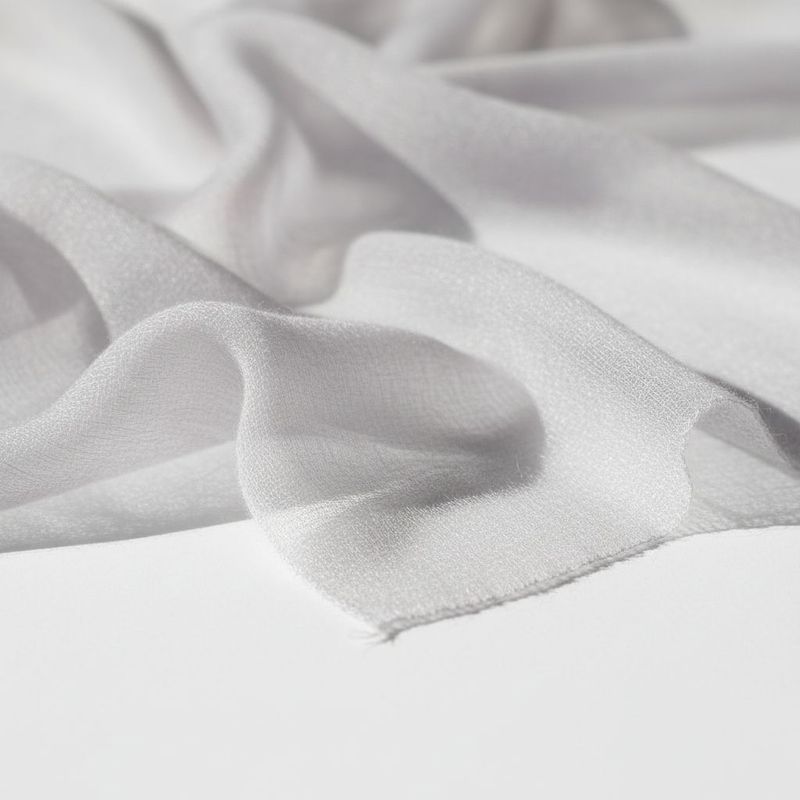
True pashmina is the historically finest cashmere fiber, hand-woven in the Kashmir valley. It is worth distinguishing it from shahtoosh, which is illegal material obtained from the Tibetan antelope, which despite a similar name is not goat cashmere and whose trade is prohibited under wildlife protection conventions.
New Zealand and Australian cashmere
Newer, controlled farming
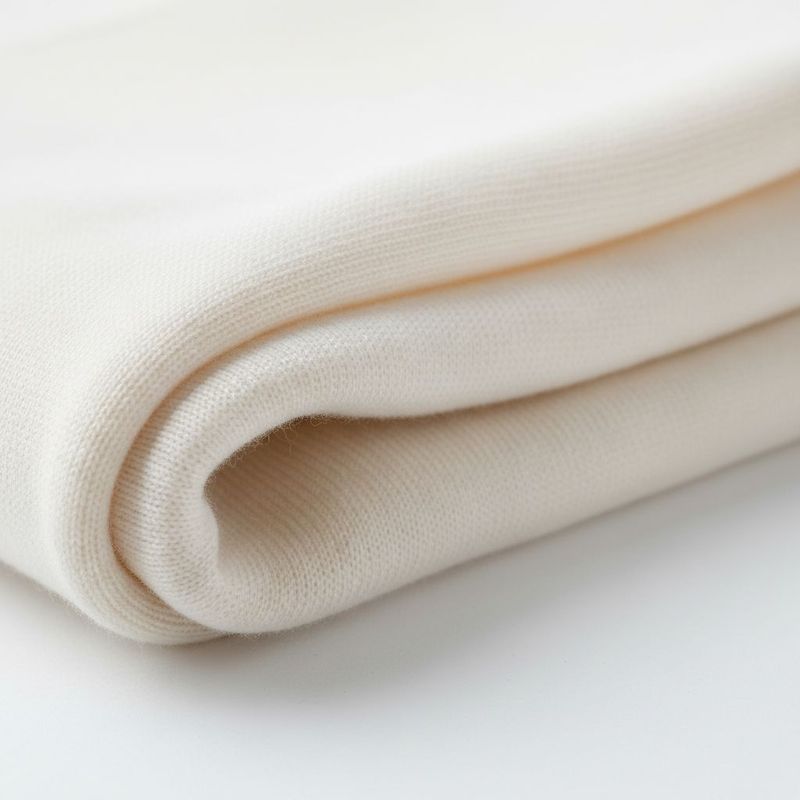
Cashmere goat farming in New Zealand and Australia is a relatively new phenomenon, introduced in the 1980s. Production volume is much smaller than in Asia, but quality control of raw material is often more rigorous, which translates into higher, although still niche, prices.
Fiber thickness and yarn construction
Besides place of origin, one more thing matters: the way the fiber was spun and woven or knitted. It is this second axis of classification that determines whether your sweater will be as light as a feather or solid and resistant to years of wear.
Cashmere by yarn construction
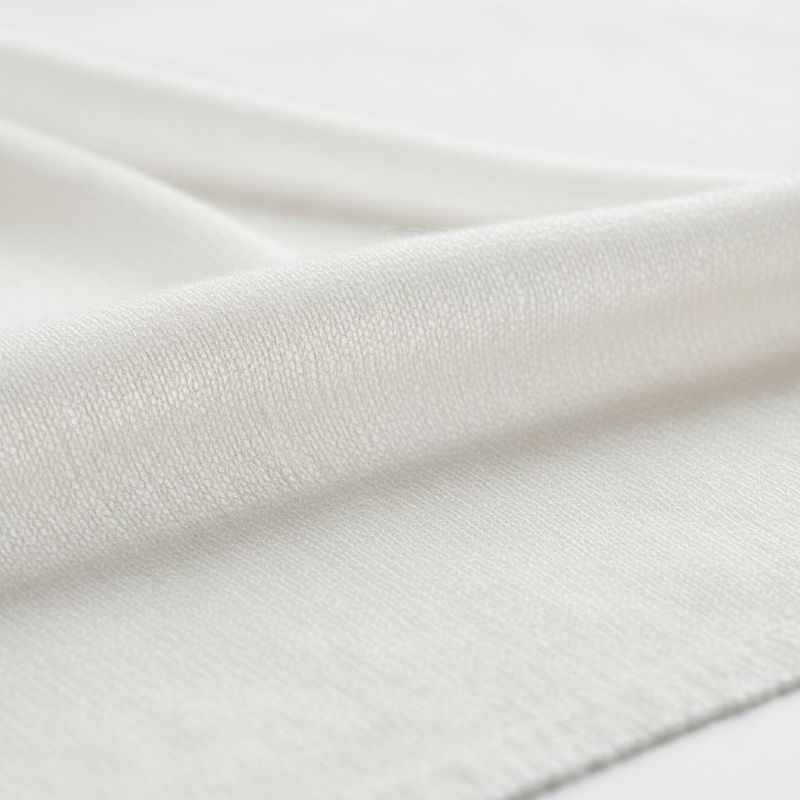
1-ply cashmere
Single-ply yarn
1-ply is a single, untwisted thread. It produces the lightest and most delicate to the touch knit, but also the least resistant to friction and stretching. Typical of light sweaters for warmer days and elegant shawls, not for daily, intensive wear.
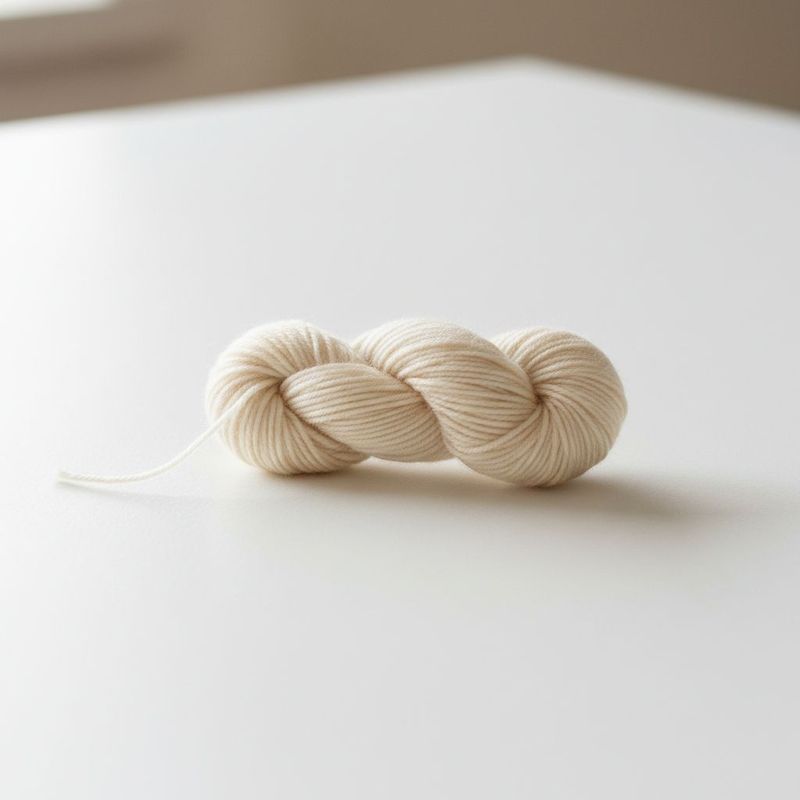
2-ply and 4-ply cashmere
Twisted yarns, higher durability
Twisting two or four yarns together produces a heavier, noticeably more friction-resistant knit. This is the most common choice for sweaters intended for regular, daily wear; 4-ply will work well in cooler climates and with intensive use.
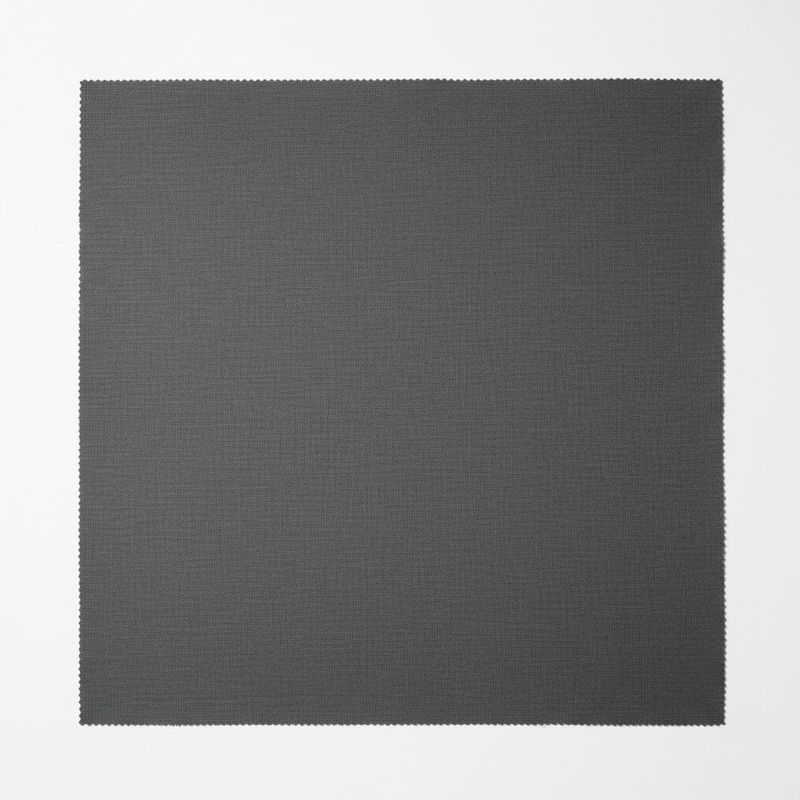
Cashmere worsted
Smooth, compact surface
In the worsted process, fibers are additionally straightened and aligned before spinning, which gives the fabric a smoother, more compact surface. This technique dominates woven, not knitted, cashmere products: suits, coats and blazers.
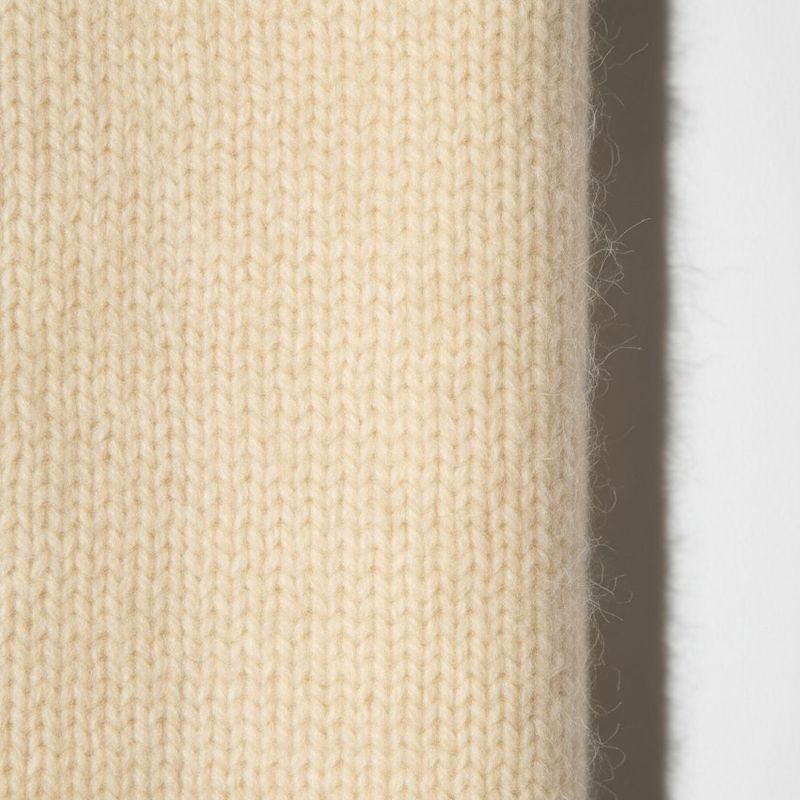
Cashmere woolen spun
Fluffy, voluminous texture
In woolen spinning, fibers are not so carefully aligned, so the yarn retains more natural fluffiness and air between fibers. This is the technique typical of classic cashmere sweaters, known for their soft, voluminous appearance.
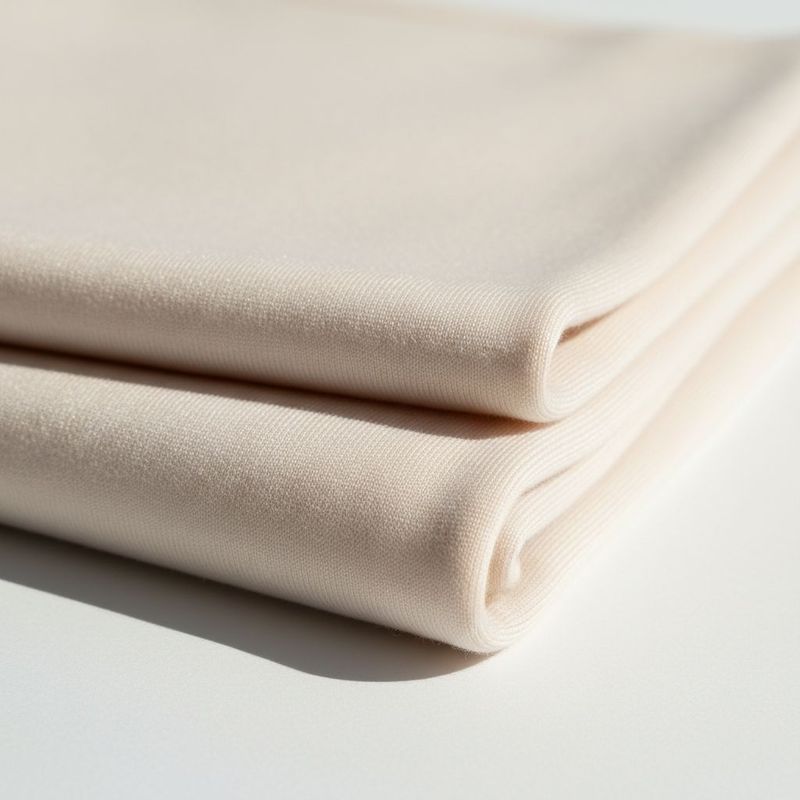
Cashmere with silk blend
Usually 70/30 or 85/15 ratio
The addition of silk, usually in a 70% cashmere to 30% silk or 85 to 15 ratio, gives the fabric a delicate luster and slightly greater structural stiffness. The effect is often appreciated in more elegant, evening styles.
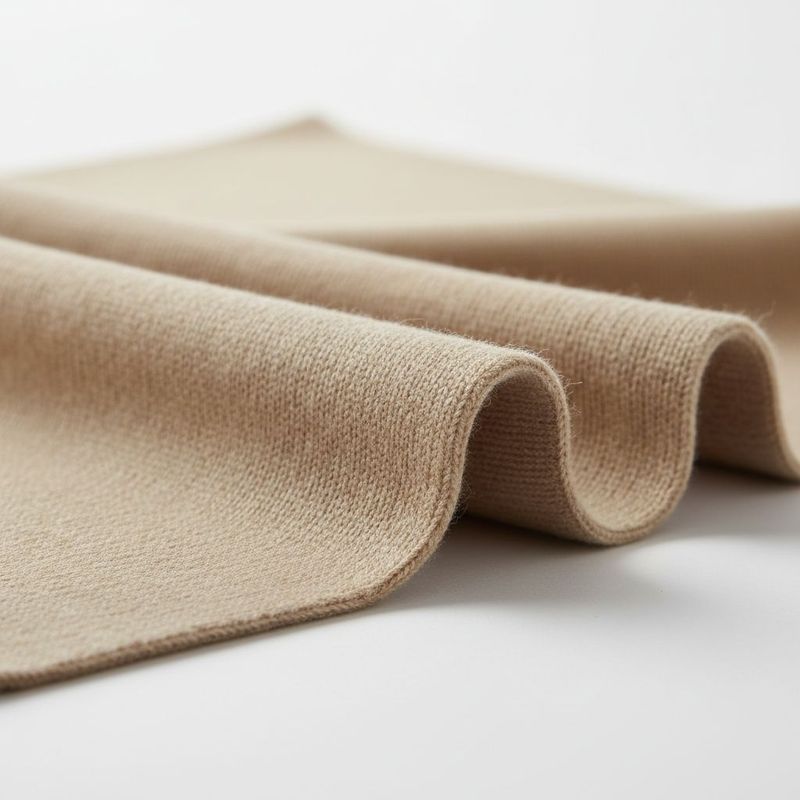
Cashmere with merino wool blend
Usually 30-70% cashmere
A blend with merino wool, usually with 30 to 70% cashmere content, is a cost compromise: it lowers product cost and increases its mechanical resistance at the expense of some softness and luxury character of pure cashmere.
Cashmere quality grades: what determines price and durability
Grade A, B, C, fiber microns and the premium threshold of luxury brands
The cashmere market operates two different quality rating systems in parallel, which can be a source of confusion. The first is the Chinese industrial classification grade A, B, and C, in which grade A means fiber with a diameter below 15 microns. The second is the marketing threshold used by individual luxury brands, for example Loro Piana, which consider fiber below 14.5 microns as "premium".
These two thresholds are not contradictory, they just operate independently. One is an industry standard for raw material, the other is an internal standard of a specific brand. There is no single, globally binding legal definition of the word "premium" in relation to cashmere. Therefore, when reading a product description, it is worth asking about specific microns, not just the word alone.
High with fiber below 15 µm
The finer the fiber, the more luxurious the fabric feels. Grade A cashmere below 15 microns, and premium brand fiber below 14.5 microns, provide noticeably different skin feel than thicker 17-18 micron variants.
Lower with finer fiber
The same factor that gives softness reduces friction resistance: finer fiber is mechanically weaker. This is an opposite trade-off than with softness, which is why for example wool-cashmere coats combine wool durability with cashmere softness instead of relying solely on very fine, pure fiber.
At your next purchase, pay attention mainly to two things on the label: composition (100% cashmere or blend with acrylic or wool) and fabric weight (2-ply usually 200-280 g/m2, 4-ply 350-450 g/m2). These two numbers tell you more about actual quality and durability than the marketing word "grade" alone, which is not uniformly regulated.
Cashmere needs different handling than ordinary sheep's wool, even though both fibers are animal keratin. It has a finer fiber (14 to 19 µm versus 17 to 24 µm for merino), more delicate cuticle scales, and far less lanolin. Hence its greater softness and warmer feel, but also its higher tendency to pill and its need for gentler, cooler washing.
The finer fiber less often crosses the skin-prickle threshold (about 30 µm), so cashmere is often well tolerated even by people who report a 'wool allergy'. You'll find the full comparison of wool, cashmere, acrylic, and fleece in a dedicated guide, linked in the related guides section below.
We cover each aspect of cashmere care separately, in short, practical guides. This way you reach a specific answer faster, instead of scrolling through one long text. Below you'll find the whole series:
- How to tell real cashmere from a fake
- How to wash cashmere
- Drying and ironing cashmere
- Cashmere pilling
- Cashmere, moths and storage
- Cashmere sweater shrank
- When to take cashmere to a laundry

Now you know the theory. Practice can be less forgiving.
If you would rather not risk your favourite piece, leave it to the specialists at Gorące Żelazko laundry in Lublin.


About the author
Małgorzata Małecka
Owner of the Gorące Żelazko laundry
Małgorzata Małecka runs the Gorące Żelazko laundry in Lublin. Together with her team, she makes sure customers' clothes, shoes and fabrics come back clean and in the best possible condition.