Beer and spirits stains: why they return after washing
Beer stain disappeared after washing, but comes back yellow after ironing. We explain why and what to do about it.

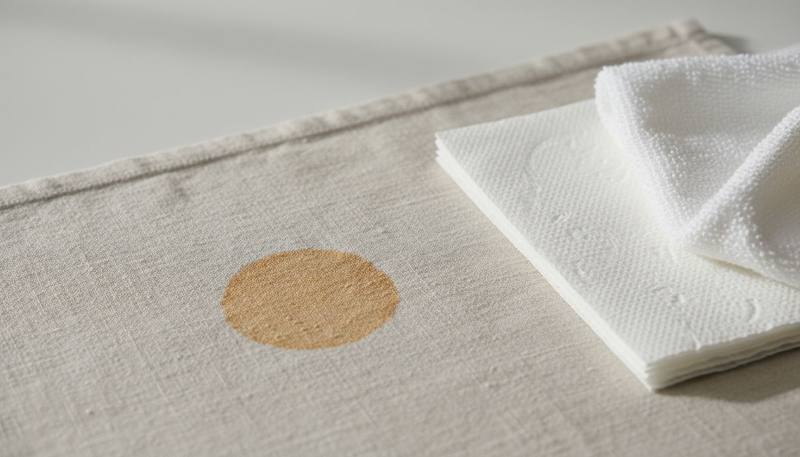
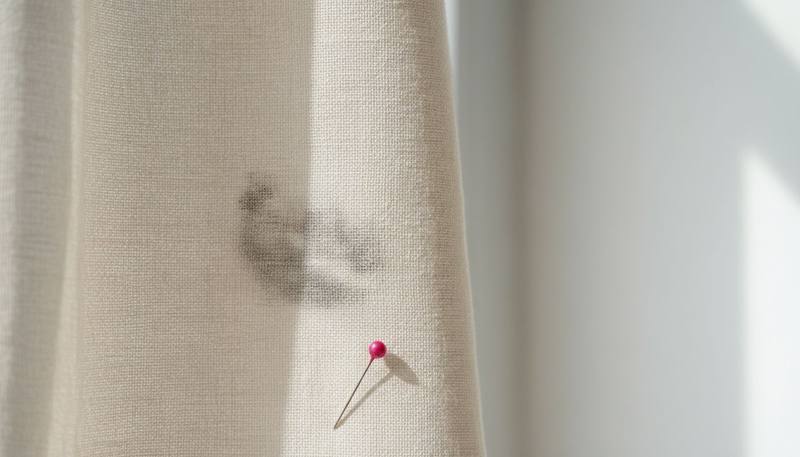
You washed a shirt after a party. The beer stain disappeared, the fabric looked clean. You reached for the iron, pressed it over the material, and suddenly it comes back: yellow discolouration exactly where the beer or wine had been.
This is not a new stain. This is delayed yellowing, a mixture of sugar, yeast, tannins, and dyes that lurked in the fibre waiting for heat. Each of these components reacts differently, which is why one stain vanishes without a trace while another bounces back like a boomerang.
Below we explain the mechanism and give you the exact action sequence for the first minute after a spill.
Simple sugars from beer and sweet wine, namely maltose, glucose, and fructose, dissolve in cold water without problem. But when they encounter the heat of an iron or tumble dryer, they caramelize exactly like sugar in a pan: they oxidize and brown, even if the stain was completely invisible beforehand.
Unfiltered beer adds yeast proteins to the mix. They behave like a classic protein stain and set when exposed to hot water, before you finish rinsing them out completely.
The conclusion is simple: before you reach for the iron or turn on the dryer, check the fabric in full daylight.
Why some fabrics absorb more deeply
Where home methods fall short
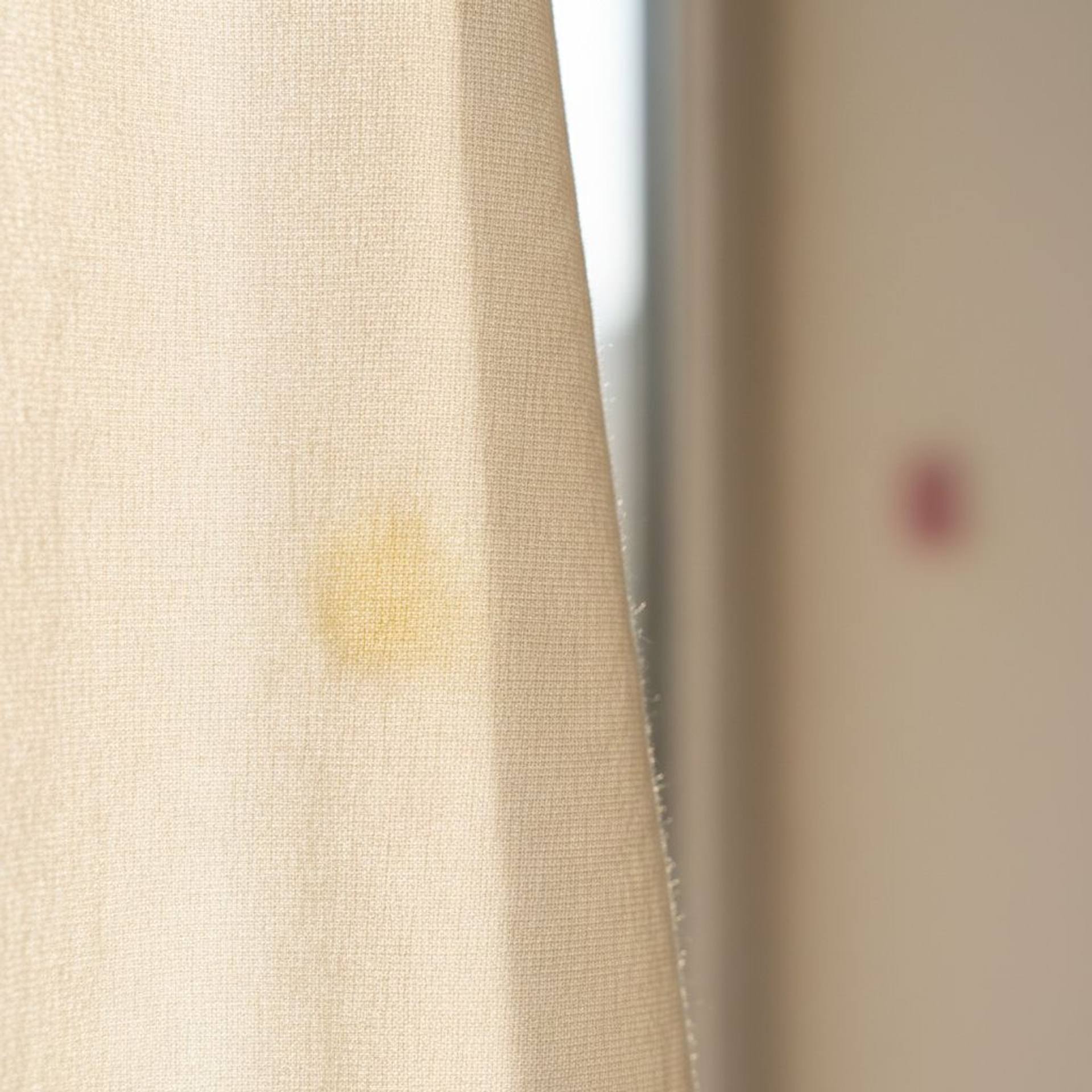
Tannins adhere differently to fibres: they grip wool and silk more tightly than cotton or linen. Ethanol acts as a solvent and speeds up the penetration of remaining components deeper into the fibre structure, though this mechanism still needs confirmation in trade sources.
The same beer stain behaves differently depending on the style. A light lager washes away easily, a dark porter with caramel dyes holds on stubbornly. Below you have the most common drinks laid out with method and temperature.
Light beer (lager)
Cold water right away, then enzymatic detergent
Do not iron before checking the stain in daylight
Dark beer / porter
Soak in 3% hydrogen peroxide or oxygen bleach, cotton and linen only
Caramel dyes cling to synthetic fibres and are hard to rinse out
Red wine
Blot from edge to centre, never scrub
On silk and wool, risk of setting increases, better to take to professionals
White wine / champagne
Cold water with enzymatic detergent
No colour doesn't mean no risk, sugar yellows the same as with beer
Strong spirits / liqueurs
Start with cold water, then continue depending on sugar and dye content
Ethanol speeds up stain penetration deeper into the fibre structure
Salt or white wine on a red wine stain? This is popular forum advice without trade backing, and salt can even make later rinsing harder by trapping tannins. Instead of experimenting, rinse the stain with cold water right away.
3% hydrogen peroxide works well on cotton and linen, but on silk and wool without testing on a hidden area can do more damage than the stain itself.
Enzymatic detergent works brilliantly on sugar and yeast remnants, but loses power in too-hot water. Below is a short cheat sheet of what to do and what to avoid.
Do this, avoid that
Do
- Rinse the stain with cold water right away
- Test on a hidden area before using a strong agent
- Use oxygen bleach only on cotton and linen
- Check the stain in daylight before ironing
Don't
- Wash immediately in hot water, it sets yeast and sugar
- Scrub a red wine stain
- Dry in a tumble dryer before confirming the stain is gone
- Mix chlorine bleach with vinegar or ammonia
The first minute after a spill
A minute for absorption, then dissolution
The first minute decides everything. Don't rub, don't panic, just act in this order.
- 1
Absorb, don't rub
Press a tissue or towel onto the stain from edge to centre. The goal is to soak up excess liquid before it soaks deeper in.
- 2
Rinse with cold water
Flush the fabric from underneath with cold water. This only works in the first few minutes after soiling, so don't delay.
- 3
Soak in enzymatic detergent
Amylase breaks down sugar, protease handles yeast remnants. Always cold water, never hot.
- 4
Check in daylight
After washing, examine the fabric by a window. Only when the stain truly vanishes can you iron or dry in heat.
Never mix these agents
Chlorine bleach plus acid, for example vinegar, releases chlorine gas. Chlorine bleach plus ammonia releases chloramines, another equally toxic gas. Both combinations are a real health hazard. Stick to one agent at a time.
Silk and wool don't forgive experiments. Hydrogen peroxide or bleach can destroy the fibre faster than you can remove the stain.
If yellowing has already set, that is, you see it after ironing or drying, no home method guarantees its removal. This is not a failure, it's simply the limit of home washing.
And with valuable things, like a dining tablecloth or a wedding suit, the risk of a botched attempt often costs more than handing them over to professionals from the start.

Now you know the theory. Practice can be less forgiving.
If you would rather not risk your favourite piece, leave it to the specialists at Gorące Żelazko laundry in Lublin.


Most common questions about alcohol stains
No. Sugar and yeast remnants don't vanish over time, and the risk of delayed yellowing only grows the longer the fabric sits before washing.
Start with cold to lukewarm water. Only turn to hot once you check in daylight that the stain truly vanished.
This is delayed yellowing. Sugar remnants, invisible after washing, caramelize under iron heat or dryer warmth, just like sugar in a pan.
Yes, especially with silk, wool, and valuable things, or if the stain has already set. Professional shirt washing starts at 26 PLN, and pricier fabrics like a wedding dress or suit are worth handing to professionals from the start.
About the author
Małgorzata Małecka
Owner of the Gorące Żelazko laundry
Małgorzata Małecka runs the Gorące Żelazko laundry in Lublin. Together with her team, she makes sure customers' clothes, shoes and fabrics come back clean and in the best possible condition.