Stain Remover Guide: Stick, Spray, or Liquid?
Stick, spray, and liquid are not just different packages. Each form delivers active ingredients to fabric differently, and your choice depends on the type of stain and how quickly you can react.

A stain always appears at the worst time: five minutes before you leave or a day after it has already soaked in and dried. You reach for the first stain remover from your cupboard and hope for a miracle.
Stick, spray, and liquid differ not only in packaging but in how they deliver active ingredients to fabric. Choose the form based on the stain type, not based on what you happen to have at hand, and your chances improve.
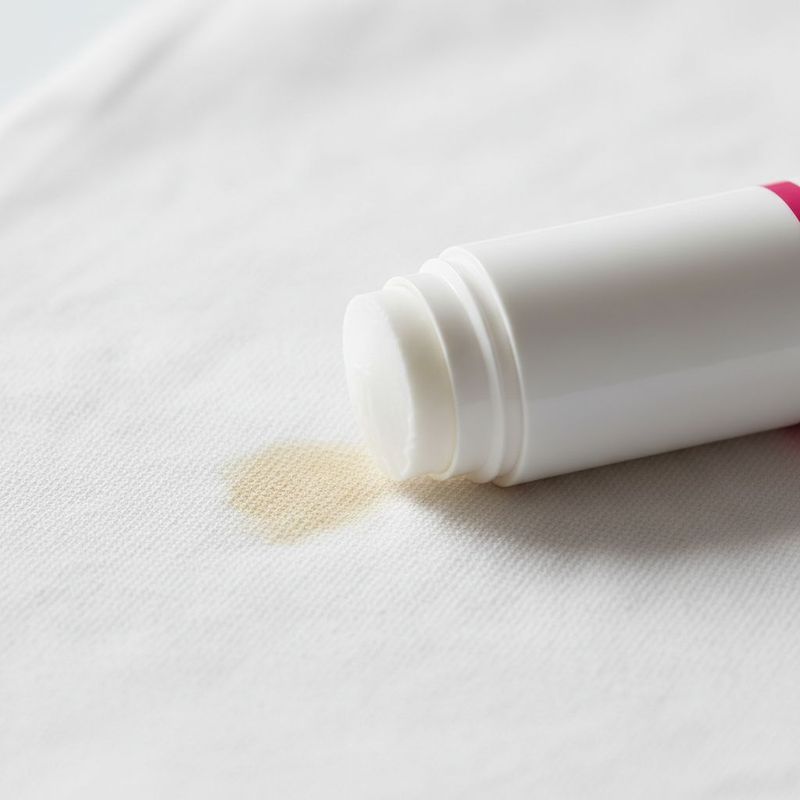
Stick
Mechanical action
A solid bar rubbed directly into the stain. Works best right after soiling.
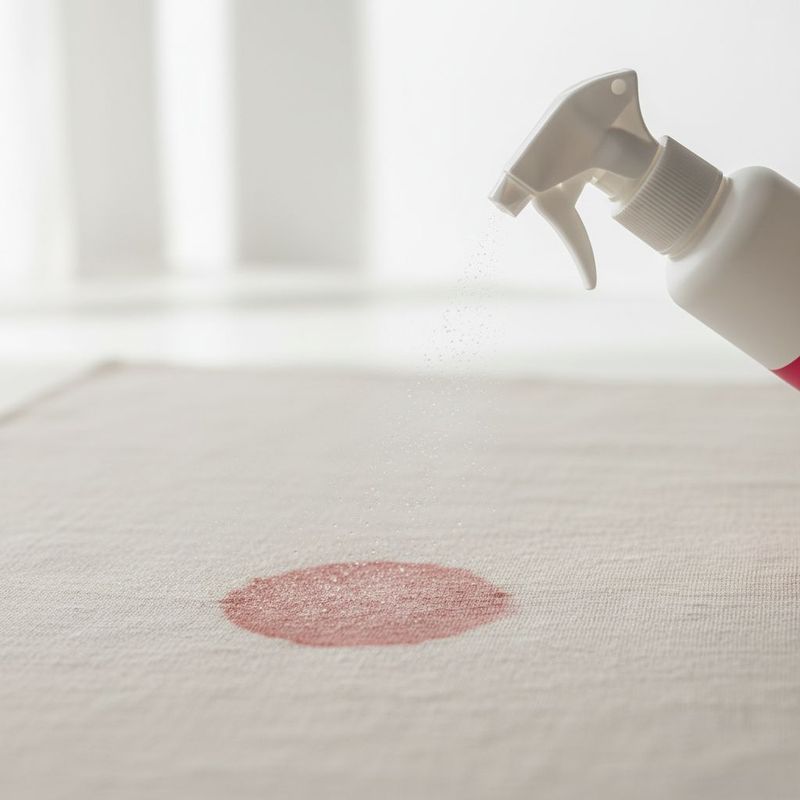
Spray
Mist for a larger area
Covers evenly and reaches places where a stick is hard to rub in.
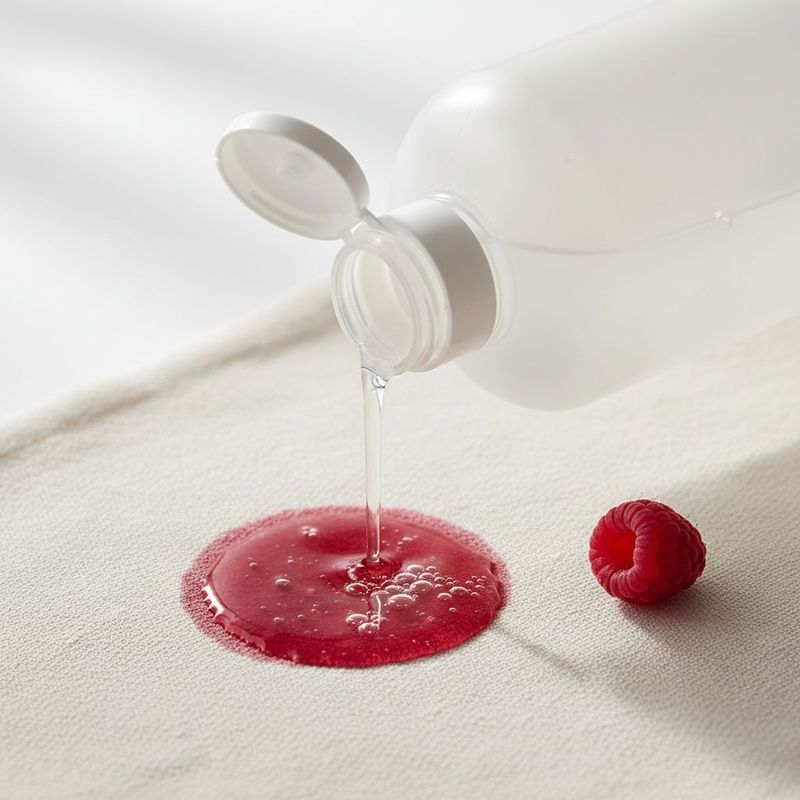
Liquid
Highest concentration, long contact
Works where stick and spray give up. Costs the most time.
Behind each form is the same chemistry. Proteases break protein from blood, milk, or egg into water-soluble molecules. Lipases tackle grease. Amylases handle starch from sauce and potatoes.
Surfactants peel dirt off fibre regardless of stain type, and sodium percarbonate, an oxygen bleach, oxidises plant-based pigments from wine, fruit, grass, and coffee.
Protein stain (blood, milk, sweat, egg)
Enzymatic stick rubbed immediately, rinse under running water
Hot water sets protein into the fabric weave; never use it on fresh stains
Fat stain (oil, grease, butter, cosmetics)
Spray with solvent component, or liquid after degreasing with talc on old stains
Too high temperature sets pigment in greasy cosmetics; stick to lukewarm water
Dye stain (wine, fruit, grass, coffee, tea)
Liquid or powder with oxygen bleach dissolved in water, longer contact time
Stick and spray only work as a temporary fix before washing
Mixed stain (e.g. tomato sauce)
Sequence: first enzyme or solvent on grease and starch, then oxidiser on pigment
Never mix chlorine bleach with ammonia-based products
Press stain remover from the stain's edges toward the centre. Rubbing spreads soiling over a larger area and works it deeper into the fibre weave.
Limits of Home Stain Removal
When the method risks damaging the fabric
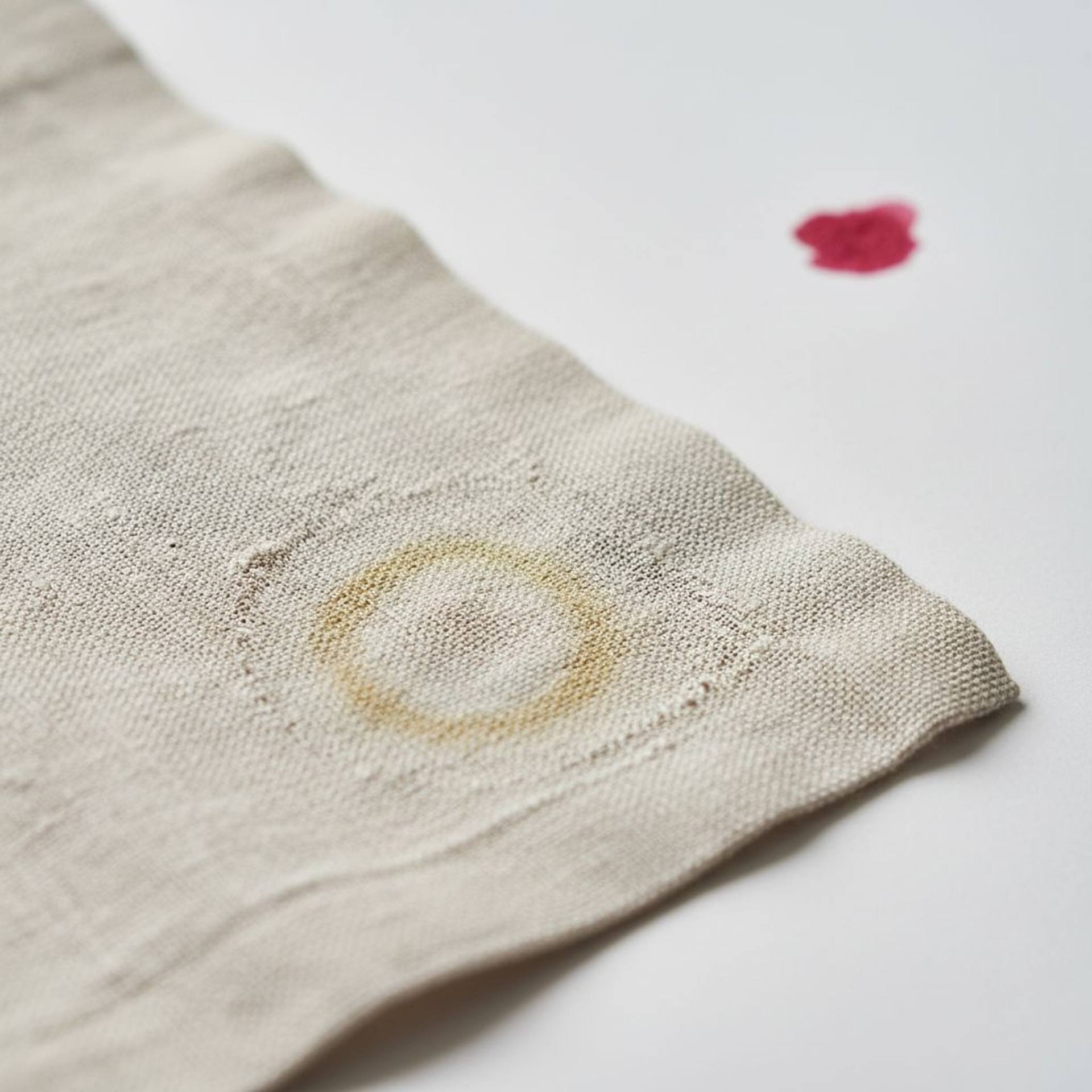
Hot water on a fresh protein stain is the most common mistake. Instead of dissolving the protein, you coagulate it and it becomes permanently woven into the fabric.
Testing a product on a hidden part of the fabric is a step we skip most readily. On dyed materials it ends with fading in a visible spot, creating a worse problem than the stain itself.
Too long contact with oxygen bleach on wool or silk weakens the natural fibre and shifts its shade, and safe contact time varies between brands.
Chlorine bleach plus ammonia-based product releases chloramines, gases that irritate the airways. Keep these products separate, always.
Commit this to memory at a glance: a brief list of what to do and what to avoid.
Do
- Dab stains from edges toward the centre
- Test stain remover on a hidden part of the fabric
- Use cold to lukewarm water on fresh protein stains
- Check the ISO 3758 care symbol before choosing your method
Don't
- Don't rub the stain
- Don't use hot water on fresh protein stains
- Don't mix chlorine bleach with ammonia products
- Don't leave oxygen bleach on wool or silk too long
When to DIY, When to Call the Pros
Home treatment versus professional stain removal
Stain freshness matters more than treatment strength. A stick or spray used immediately often produces results equal to professional treatment.
A professional laundry has something you cannot buy at the shop: separate products for each stain type, one for protein, one for wine and fruit, one for grease, applied by a spray gun with pressure and temperature control. They also have steam under regulated pressure and a vacuum table that draws dissolved stain out of fibre instead of letting it spread.
Home methods lack this precision, and shop solvents are deliberately weaker for safety. An old stain, delicate fabric like wool or silk, or soiling of unknown origin is the signal to stop experimenting and hand the garment to professionals.

Now you know the theory. Practice can be less forgiving.
If you would rather not risk your favourite piece, leave it to the specialists at Gorące Żelazko laundry in Lublin.


Frequently asked questions
No. A stick works mechanically through friction and works best on fresh surface stains. Spray covers a larger area and handles grease better thanks to solvents.
It depends on the form. A stick works almost immediately after rubbing in. Liquid needs ten minutes to several hours on stubborn stains. Always check the product instructions.
Yes, on mixed stains like tomato sauce: first enzyme or solvent on grease and starch, then oxidiser on pigment. Never mix chlorine bleach with ammonia products.
Often, thanks to products unavailable to consumers and controlled temperature and pressure. The sooner you bring the garment after a failed attempt, the better your chances of success.
About the author
Małgorzata Małecka
Owner of the Gorące Żelazko laundry
Małgorzata Małecka runs the Gorące Żelazko laundry in Lublin. Together with her team, she makes sure customers' clothes, shoes and fabrics come back clean and in the best possible condition.