At What Temperature to Wash Cotton
Temperatures step by step: what 30, 40, 60 and 90°C actually do

The temperature at which you should wash cotton depends mainly on the fabric's color and whether you need to disinfect it. Below you'll find the specifics: what 30, 40, 60 and 90°C actually do to cotton, and when to choose each.
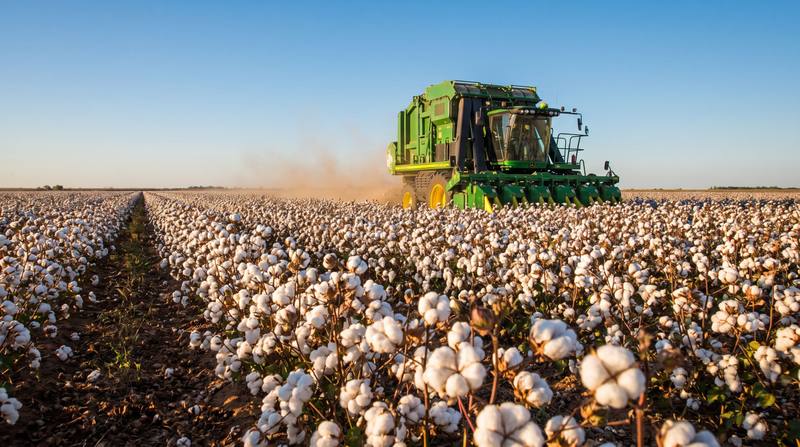
Cotton is a cellulose fiber that swells when it contacts water. The cross-section of a single fiber can increase by as much as 20-25%. This is why clothing may shrink slightly on its first wash, even if the temperature was low. This phenomenon is called relaxation shrinkage: fibers stretched mechanically during weaving or knitting simply return to their natural state. It happens as soon as they come into contact with water.
High temperature alone isn't cotton's enemy. The fiber handles it well, and you can iron it at the highest available iron temperature (three dots on the care label means up to 200°C). The real threat to cotton's durability is prolonged UV exposure and chlorine, which weakens the fiber gradually, cycle after cycle.
In other words: wash temperature mainly determines shrinkage and how thoroughly you remove dirt and bacteria, not the fiber's actual durability.
Cotton washing temperatures in practice
20-30°C, color and sensitive fabrics
Enzymes in detergent work at their optimal temperature, though more slowly than at 40°C. Minimal risk of shrinkage and dye fading. Use this for colored cotton, printed fabrics, cotton with elastane, and lightly soiled items. The downside is weaker disinfection and less effective removal of oils.
40°C, everyday standard
This is the temperature at which most enzymes in modern detergents work most effectively. A good balance between cleaning power and safety for color and fiber. Works well for shirts, colored bedding, and work clothes with moderate soil. With the first wash of unsanforized fabric, minor shrinkage is still possible.
60-95°C, white and disinfection
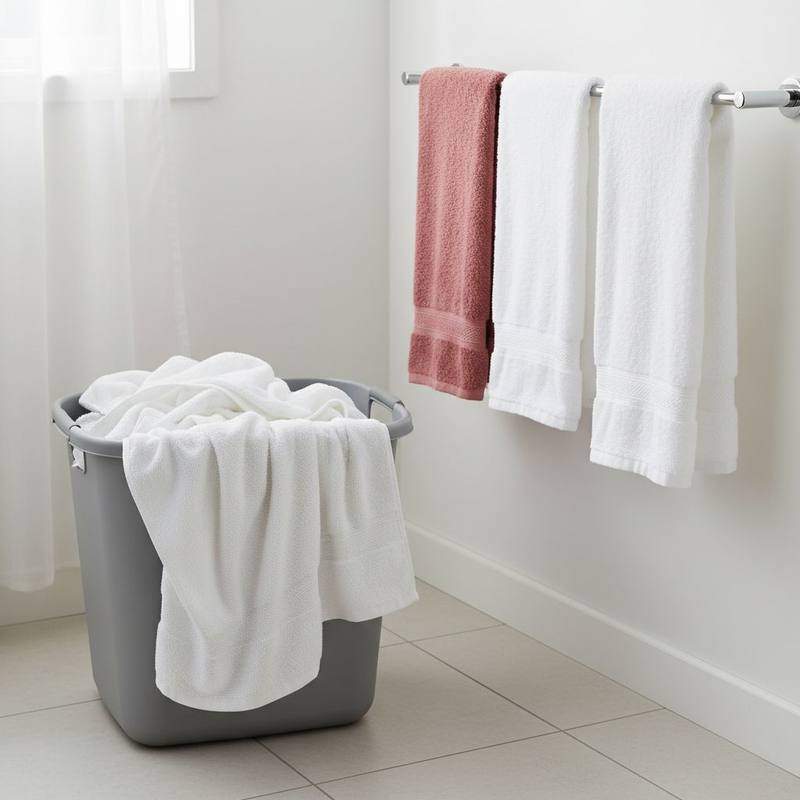
At 60°C, oxygen bleach activates, killing bacteria and some viruses, and dissolving oils. Reserve this temperature for white cotton, towels, and bedding requiring disinfection. At 90-95°C, maximum thermal disinfection occurs, but shrinkage can reach several percent with unsanforized fabric and elastane, which loses elasticity around 60°C, is strictly prohibited.
Good to know
Germany's Robert Koch Institute recommends washing at 60°C with active oxygen as the minimum hygienic standard at home, effective against most pathogens. Constant washing at 30°C, on the other hand, promotes biofilm formation in the washing machine drum, including bacteria like Moraxella osloensis, which is linked to so-called towel odor. That's why it's worth running a 60°C cycle once a week or regularly cleaning the washing machine itself.

Now you know the theory. Practice can be less forgiving.
If you would rather not risk your favourite piece, leave it to the specialists at Gorące Żelazko laundry in Lublin.


Frequently asked questions
For colored cotton and dye-sensitive fabrics, the safest option is 20-30°C. Standard everyday washing (shirts, colored bedding) handles 40°C well: this is the optimal temperature for detergent enzymes. White cotton, towels, and bedding requiring disinfection should be washed at 60°C and higher.
Yes, if it's white, clean cotton without elastane. 60°C activates oxygen bleach and effectively eliminates bacteria. Minor structural shrinkage of several percent is possible with unsanforized fabric, but it's not a serious risk to the fiber itself.
For lightly soiled, colored cotton, 30°C is usually enough, since detergent enzymes already work at this temperature. For greasy stains or when you need disinfection, 40°C or 60°C is a better choice.
At 40°C most enzymes work most effectively and it's a safe temperature for colors. 60°C adds disinfection and better oil removal, but reserve it for whites, towels and bedding.
Coloured cotton is best washed at 30 to 40°C, which protects the dyes and limits fading. White cotton can safely be washed from 60°C upwards without risk of discolouration, which also helps kill bacteria and dust mites. Just bear in mind the greater shrinkage at higher temperatures, reaching 5 to 8% on the first wash.
About the author
Małgorzata Małecka
Owner of the Gorące Żelazko laundry
Małgorzata Małecka runs the Gorące Żelazko laundry in Lublin. Together with her team, she makes sure customers' clothes, shoes and fabrics come back clean and in the best possible condition.